
 Matzav
Report: Iran Used Chinese Spy Satellite to Track and Target U.S. Bases in Middle East
Iran has reportedly deployed a Chinese-built surveillance satellite to monitor and assist in targeting U.S. military positions across the Middle East, raising fresh concerns about Beijing’s indirect role in strengthening Tehran’s military capabilities.
According to a Financial Times report published Wednesday, the Islamic Revolutionary Guard Corps gained control of a satellite known as TEE-01B toward the end of 2024. The satellite was originally launched by China and later transferred into Iranian hands, providing Tehran with significantly enhanced reconnaissance capabilities.
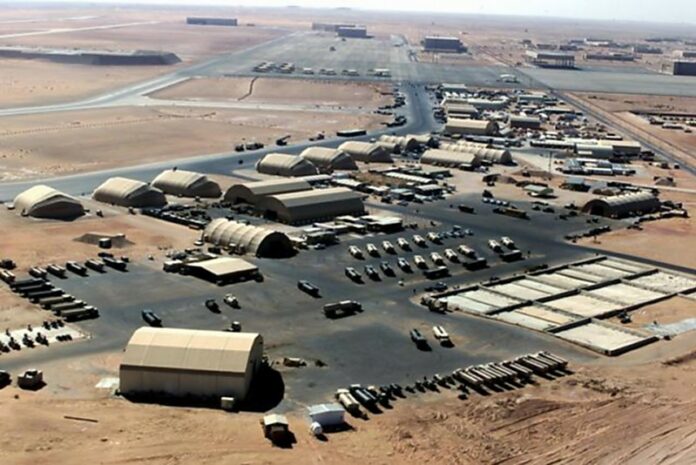
Documents reviewed by the Financial Times indicate that Iranian commanders used the satellite to observe key U.S. installations, collecting detailed imagery before and after missile and drone strikes to evaluate their impact.
Among the sites reportedly monitored were Prince Sultan Air Base in Saudi Arabia, American facilities in Jordan and Bahrain, as well as additional strategic locations in Iraq and Kuwait.
Experts say the satellite represents a substantial upgrade in Iran’s intelligence operations. With imagery sharp enough to distinguish aircraft and other military assets, it enabled Iranian forces to better plan strikes and assess results.
“This satellite is clearly being used for military purposes,” one expert told the Financial Times, adding that it allows Iran to identify targets ahead of time and refine its strike operations.
The report is expected to further strain relations, particularly in light of growing indications of closer cooperation between China and Iran.
Although Chinese officials have consistently denied supplying weapons or direct military aid, other intelligence assessments cited in separate reports suggest Beijing may be considering additional support, including air defense systems.
Chinese authorities have dismissed such allegations as “groundless,” maintaining that the country does not provide arms to parties involved in the conflict.
Critics, however, argue that China’s commercial space industry often operates in close coordination with the Chinese Communist Party and military institutions.
The findings come as part of broader concerns over China’s global strategy. Analysts warn that backing U.S. adversaries may be part of a wider effort to challenge American influence while preserving a degree of deniability.
At the same time, President Donald Trump has taken a firm stance, cautioning China against assisting Iran and warning of significant tariffs if cooperation continues.
Trump has said he personally urged Chinese President Xi Jinping not to supply weapons to Tehran, with Xi reportedly denying any involvement.
The developments are unfolding amid ongoing tensions in the Middle East, where a fragile ceasefire remains in place and U.S. forces continue efforts to counter Iranian actions.
The use of advanced foreign technology by Iran highlights the changing nature of modern conflict and underscores the risks posed by growing alignment among U.S. adversaries.
For American officials, the involvement of a Chinese-linked satellite in Iranian military activity represents a troubling escalation that could alter the region’s strategic balance.