
 Jewish Breaking News
FULL BREAKDOWN: The 24 Hours That Brought Israel and Iran to the Brink and Where Things Stand Right Now
The direct Israel-Iran missile exchange appears to be paused, not resolved. After a day that pushed the region toward a renewed full-scale war, Israel says it is halting strikes on Iran “for now,” Iran says its current operation against Israel is over, and President Donald Trump is publicly pressing both sides to stop shooting while his administration tries to preserve a wider diplomatic track with Tehran.
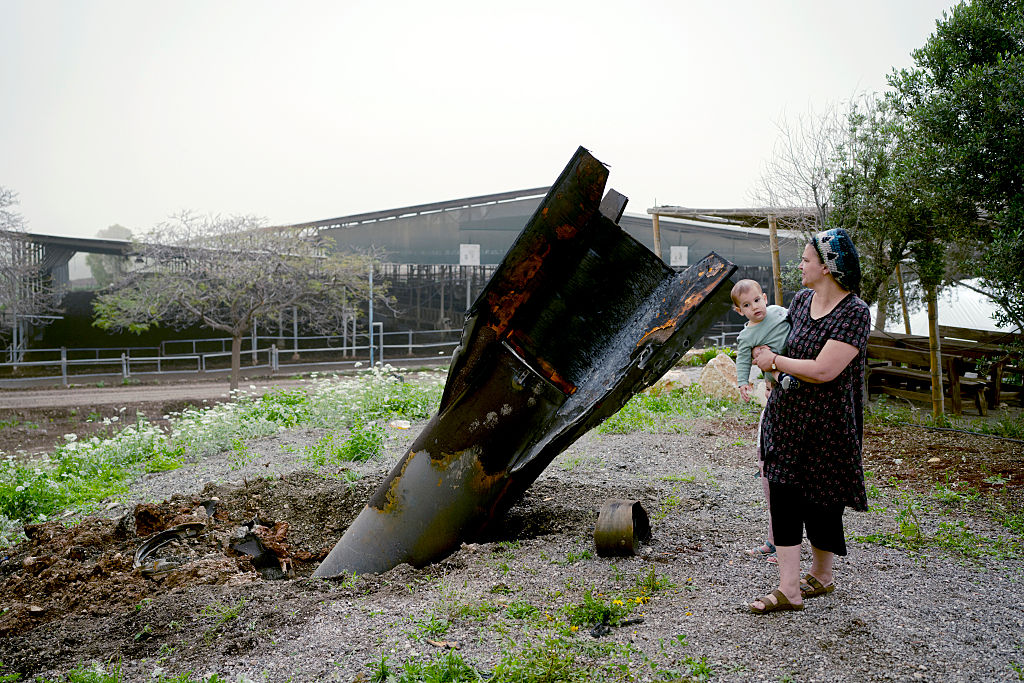
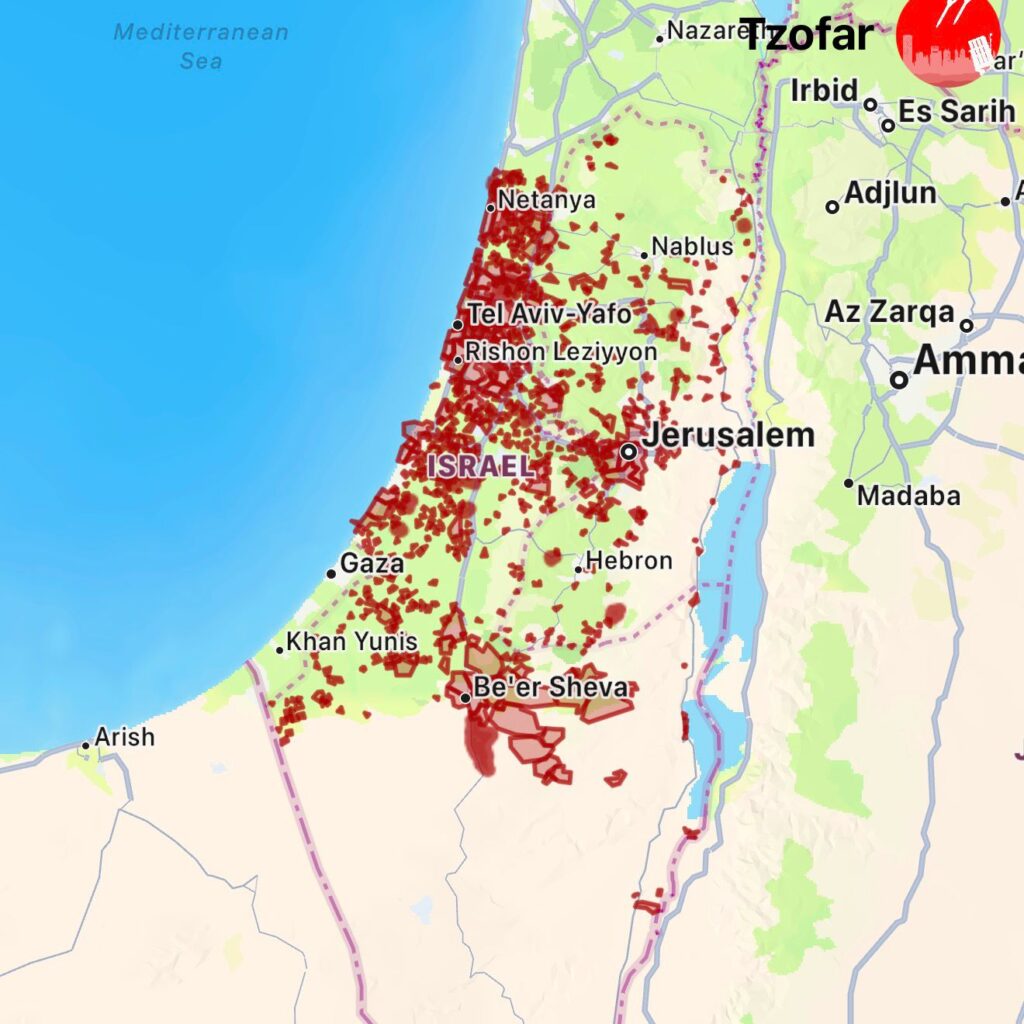
The chain began with Hezbollah. After weeks of attacks on northern Israel, the IDF struck Hezbollah infrastructure in Beirut’s Dahiyeh, the terror group’s stronghold in southern Beirut. Tehran had warned that continued Israeli action in Lebanon could draw Iranian retaliation. It followed through, Iran launched ballistic missiles toward Israel, its first direct missile fire at Israel in two months. According to the IDF, Iran fired 24 ballistic missiles between Sunday night and Monday afternoon. All were intercepted or fell in open areas, with no casualties reported, though fragments damaged homes in Judea & Samaria. Yemen’s Iran-backed Houthis also joined in, firing two ballistic missiles at Israel; one was intercepted and the other failed to reach the country.
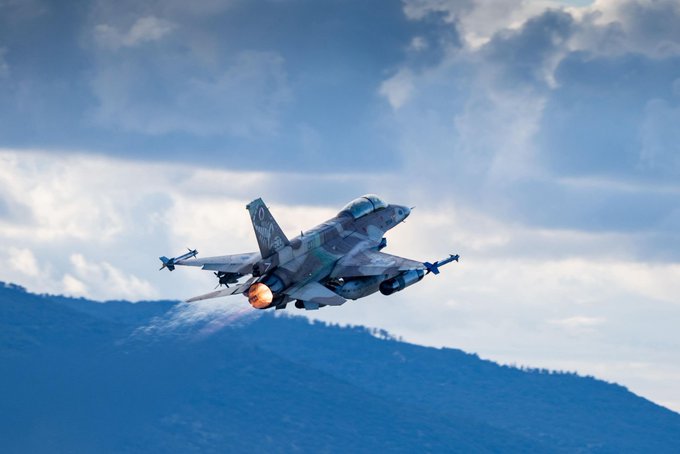
Israel did not absorb the attack silently. Overnight and into the morning, dozens of Israeli fighter jets struck Iranian military targets, including nine air-defense systems in western and central Iran. The IDF said the strikes further expanded Israeli air superiority over Iran. Israeli jets then hit three factories at a petrochemical complex in southwest Iran that Israel says produced critical raw materials for Iran’s ballistic missile program. Iranian media reported damage in Mahshahr; Iranian emergency officials reported injuries but no deaths.
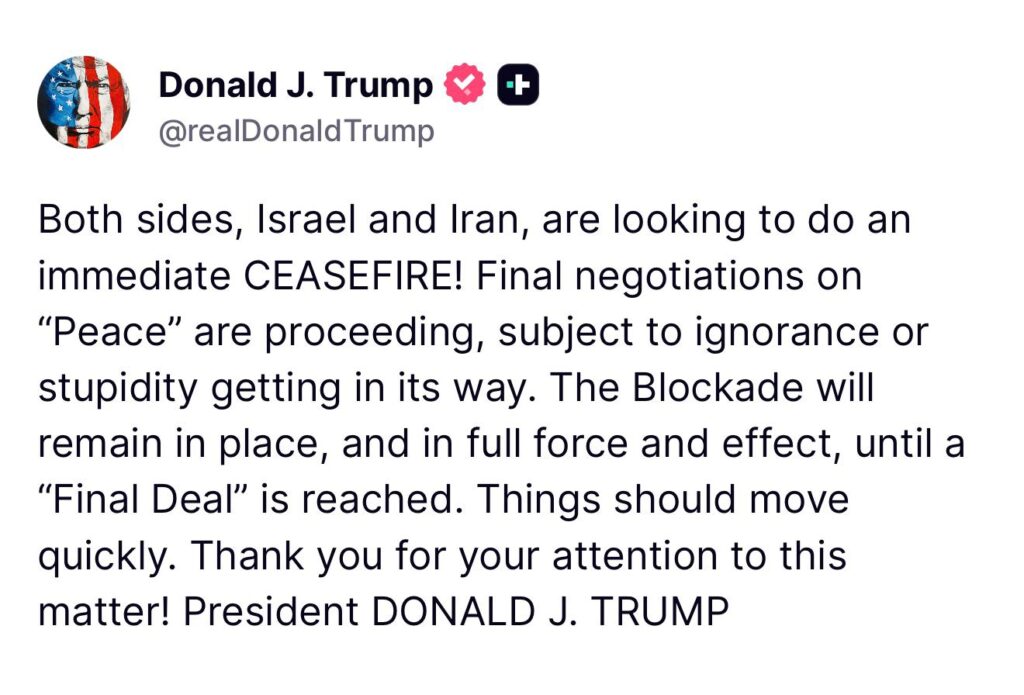
Then came Trump’s pressure. The U.S. president posted that Israel and Iran must immediately stop “shooting” and claimed both sides were looking at an immediate ceasefire while “final negotiations” continued. Israeli officials said Jerusalem agreed to stop its strikes on Iran at Trump’s request, with one official saying the sense was that this round of direct fighting is behind us. Netanyahu later said fire on the Iran front had been halted because Tehran stopped attacking, but warned plainly that if the Iranian regime attacks again, Israel will respond with force.
But this is not a clean ceasefire. The unresolved issue is Hezbollah and Lebanon. Iran is trying to fold Lebanon into the Israel-Iran equation, warning of harsher action if Israel continues operations in southern Lebanon. Israel is rejecting that linkage. Netanyahu said the campaign against Hezbollah’s terror infrastructure in southern Lebanon will continue, and Defense Minister Israel Katz warned that if Hezbollah attacks northern Israel, Beirut’s Dahiyeh will be treated like Israel’s northern communities. In other words: the Iran front may be cooling, but the Lebanon front remains live.
On the Israeli home front, the immediate emergency posture is easing. The Home Front Command is lifting most restrictions starting at 6 a.m. tomorrow, schools are set to reopen nationwide, and most of the country returns to full activity. Communities near Lebanon remain under tighter rules, with educational activity only in or near protected spaces and gathering limits still in place. Ben Gurion Airport remains open, though airline disruption and possible passenger caps remain on the table. Gaza crossings are also expected to reopen after being closed during the missile fire.