
 Matzav
The Jets Were Waiting: Trump’s Last-Minute Intervention Stopped Major Israeli Strike on Iran, Report Claims
A dramatic behind-the-scenes confrontation between President Donald Trump and Prime Minister Binyomin Netanyahu led Israel to cancel a much larger military operation against Iran, according to a Ynet report published Monday evening, which details a day marked by intense coordination, conflicting public messages, and significant pressure from Washington.
According to sources cited in the report, Israeli officials had prepared plans for a far broader attack on Iranian targets. However, Trump reportedly intervened at the last moment after concluding that a major Israeli response could ignite a wider regional conflict and undermine ongoing efforts to reach an agreement with Tehran.
The report further claims that, despite public statements suggesting otherwise, Trump was aware in advance of Israel’s strike in Beirut’s Dahieh district, which was followed by Iran’s missile attack on Israel. Sources familiar with the matter said Trump had initially given Netanyahu approval to target Beirut if Israeli communities came under attack. They maintain that later suggestions that the president had no prior knowledge of the operation do not fully reflect what occurred behind the scenes. The same sources also contend that the claim that Trump was completely unaware Israel would strike during the night does not reflect the full picture.
According to Ynet, the IDF provided U.S. Central Command with detailed briefings on the operation, including the intended targets. American officials reportedly believed Israel planned only a limited strike in Dahieh designed to send a deterrent message to Hezbollah and the Lebanese government before bringing the operation to a close. Trump is said to have retired for the night believing the Israeli action would remain narrowly focused and would not trigger a broader regional crisis.
That assessment reportedly changed early the next morning when American officials learned Israel was considering a much more substantial operation against targets inside Iran itself. At that point, Washington became concerned that Israel might retaliate for Iran’s missile attack and developments in Lebanon by expanding the campaign against strategic Iranian assets. One source familiar with the discussions said White House officials feared Netanyahu was effectively attempting to alter the regional security landscape in a way that could derail prospects for a diplomatic agreement with Iran.
Trump then reportedly spoke directly with Netanyahu. According to the report, the president warned the prime minister that if Israel launched a large-scale attack on Iran, it would do so without American backing. Netanyahu, meanwhile, argued that a response was necessary following the Iranian missile fire and cautioned that failing to act would weaken Israeli deterrence. While Trump acknowledged Israel’s desire to retaliate, he insisted that any response remain limited and carefully calibrated to avoid triggering a broader war with Tehran.
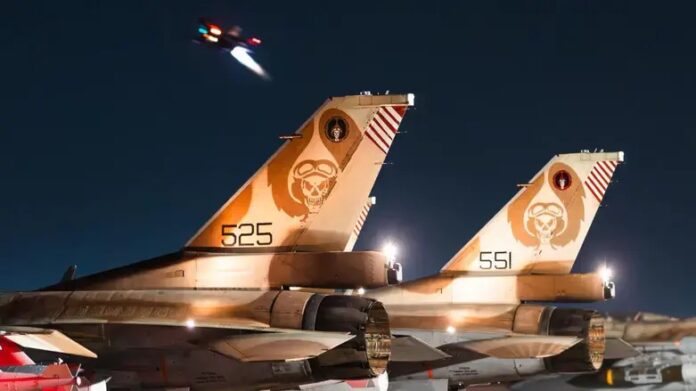
Israeli defense officials had already finalized plans for a much larger operation than the one ultimately carried out. The proposed mission reportedly involved dozens of fighter jets striking multiple targets throughout Iran. Following the conversation with Trump, however, Netanyahu informed security officials that the operation would have to be shelved. The IDF subsequently canceled planned strikes that had been scheduled for later in the day and overnight, bringing the operation to an end much sooner than Israeli planners had anticipated.
According to Ynet, many officials in Jerusalem were left frustrated by the outcome. Some believed the circumstances presented an opportunity to impose a significant cost on Iran, particularly after Tehran attempted to establish a new deterrence formula under which Israeli operations in Lebanon would trigger direct Iranian attacks on Israel. Those officials viewed the halted operation as a missed chance to demonstrate that such a strategy would carry serious consequences.
The report also states that Iran moved quickly to take advantage of the situation. Understanding that Trump’s primary objective was preventing a broader regional war while preserving the possibility of a nuclear agreement, Tehran announced early in the day that it was prepared to cease military operations. That declaration reportedly gave Trump the opening he needed to pressure Netanyahu into ending the Israeli response and preventing further escalation.
Ynet concluded that the events surrounding the past 24 hours underscored the limits of Israel’s military freedom of action when the United States opposes escalation. While both governments may publicly emphasize close cooperation, the report argues that it was ultimately Trump who set the boundaries and determined how far Israel could go.
{Matzav.com}