
 JBizNews
Why a New Jersey Bank Is Selling $1.4 Billion in New York Apartment Loans
RED BANK, N.J. — Just one week after closing a major acquisition, a New Jersey bank is already shedding one of the largest risks it inherited.
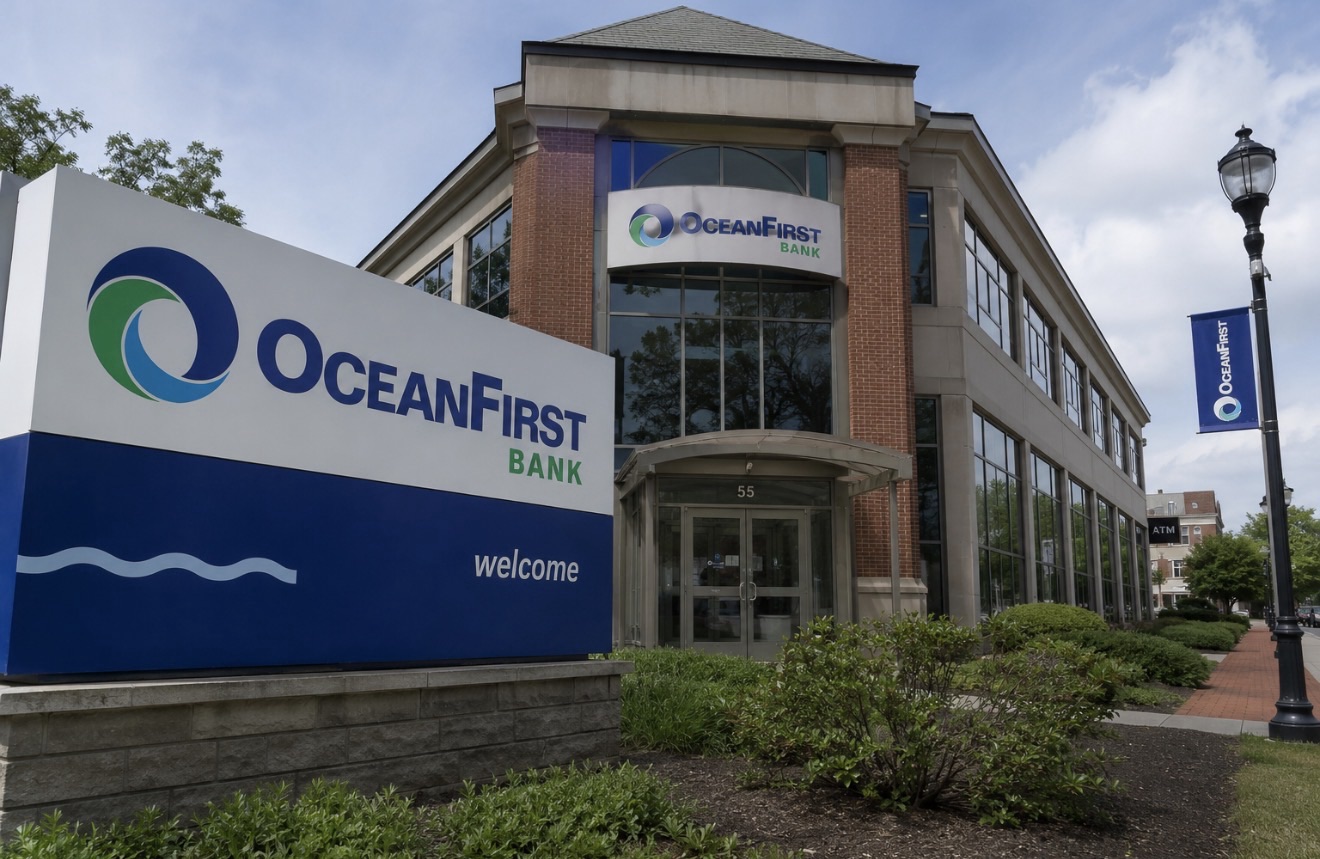
OceanFirst Financial Corp., the parent company of OceanFirst Bank, announced Monday that it has agreed to sell approximately $1.4 billion of multifamily apartment loans acquired through its recent purchase of Flushing Financial Corporation, a transaction that officially closed on June 1, 2026.
The move will dramatically reduce OceanFirst’s exposure to New York City’s heavily regulated apartment market and lower the bank’s overall concentration in commercial real estate.
For investors, regulators, and borrowers alike, the sale highlights how New York housing policy is increasingly influencing decisions far beyond the city itself.
The loans being sold are primarily mortgages backed by multifamily apartment buildings throughout New York City, many of which contain rent-stabilized units. Those properties operate under regulations that limit how much landlords can increase rents and restrict their ability to remove apartments from rent regulation.
OceanFirst inherited the portfolio through its acquisition of Flushing Financial, the parent company of Flushing Bank, one of the largest lenders to multifamily property owners in New York’s outer boroughs.
The acquisition also included a $225 million strategic investment from Warburg Pincus, providing additional capital for the combined institution.
So why sell the loans almost immediately after buying them?
The answer lies in New York’s changing housing landscape.
Since the passage of New York’s Housing Stability and Tenant Protection Act of 2019, many rent-regulated apartment buildings have become more difficult to finance. The law sharply limited landlords’ ability to raise rents and reduced opportunities to increase property values through renovations and unit turnover.
As a result, many lenders have become increasingly cautious about holding large concentrations of loans backed by rent-stabilized buildings.
The uncertainty has only intensified in recent years.
New York City Mayor Zohran Mamdani has repeatedly advocated freezing rent increases for stabilized apartments, a proposal that landlords argue would further reduce building income and make it more difficult to cover maintenance costs, taxes, insurance, and mortgage payments.
For banks holding billions of dollars in apartment loans, those policy debates directly affect risk calculations.
In practical terms, OceanFirst is choosing to reduce its exposure before conditions potentially become more challenging.
The bank noted that it had already anticipated the sale when it announced the Flushing acquisition. The loans were marked down appropriately during the merger process, meaning the transaction is expected to align with previous financial assumptions rather than create an unexpected loss.
According to disclosures made during the merger, the multifamily portfolio consisted largely of relatively conservative loans.
Average loan balances were approximately $1.3 million, and the portfolio carried an average loan-to-value ratio of roughly 55%, meaning borrowers generally had substantial equity invested in their properties.
The concern is less about current borrower performance and more about long-term regulatory risk.
Nearly half of the portfolio was tied to fully rent-regulated buildings, placing it squarely in one of the most politically sensitive segments of New York real estate.
Bank of America has been overseeing the sales process, though OceanFirst has not publicly identified the buyer or buyers involved.
The proceeds will not sit idle.
OceanFirst said it plans to reinvest the funds into highly liquid, investment-grade securities that are expected to generate yields comparable to the loans being sold.
That allows the bank to reduce risk without significantly sacrificing earnings.
The strategy reflects a broader shift occurring across the regional banking industry.
Since the regional banking turmoil of 2023, regulators and investors have paid closer attention to commercial real estate concentrations, particularly among midsize and regional institutions.
Banks with large exposures to office buildings, multifamily properties, or other specialized real estate categories have faced increased scrutiny.
By reducing its commercial real estate exposure by $1.4 billion in a single transaction, OceanFirst is sending a clear message that it intends to pursue growth while maintaining a more conservative risk profile.
The implications extend beyond banking.
When lenders become less willing to finance rent-regulated apartment buildings, financing becomes more expensive and less available for property owners.
That can affect refinancing options, renovation projects, building maintenance, and long-term investment in housing stock.
In that sense, the decision by OceanFirst reflects a broader trend reshaping New York’s housing market.
The regulatory environment is influencing not only who owns apartment buildings but also who is willing to lend against them.
For OceanFirst, the transaction appears straightforward.
The company gains the branches, deposits, customers, and market presence that came with the Flushing acquisition while reducing exposure to one of the most heavily scrutinized segments of New York real estate.
The combined institution now operates approximately 71 branches across the Northeast, stretching from Massachusetts to Virginia, with approximately $23 billion in assets.
Chairman and Chief Executive Officer Christopher Maher has repeatedly emphasized that the Flushing acquisition strengthens OceanFirst’s presence in the New York metropolitan market.
The loan sale suggests the bank’s strategy is equally clear: expand in New York, but do so without carrying the apartment-loan exposure that many lenders increasingly view as a growing source of uncertainty.
JBizNews Desk — New Jersey
© JBizNews.com All Rights Reserved. Reproduction or distribution without written permission is prohibited.