
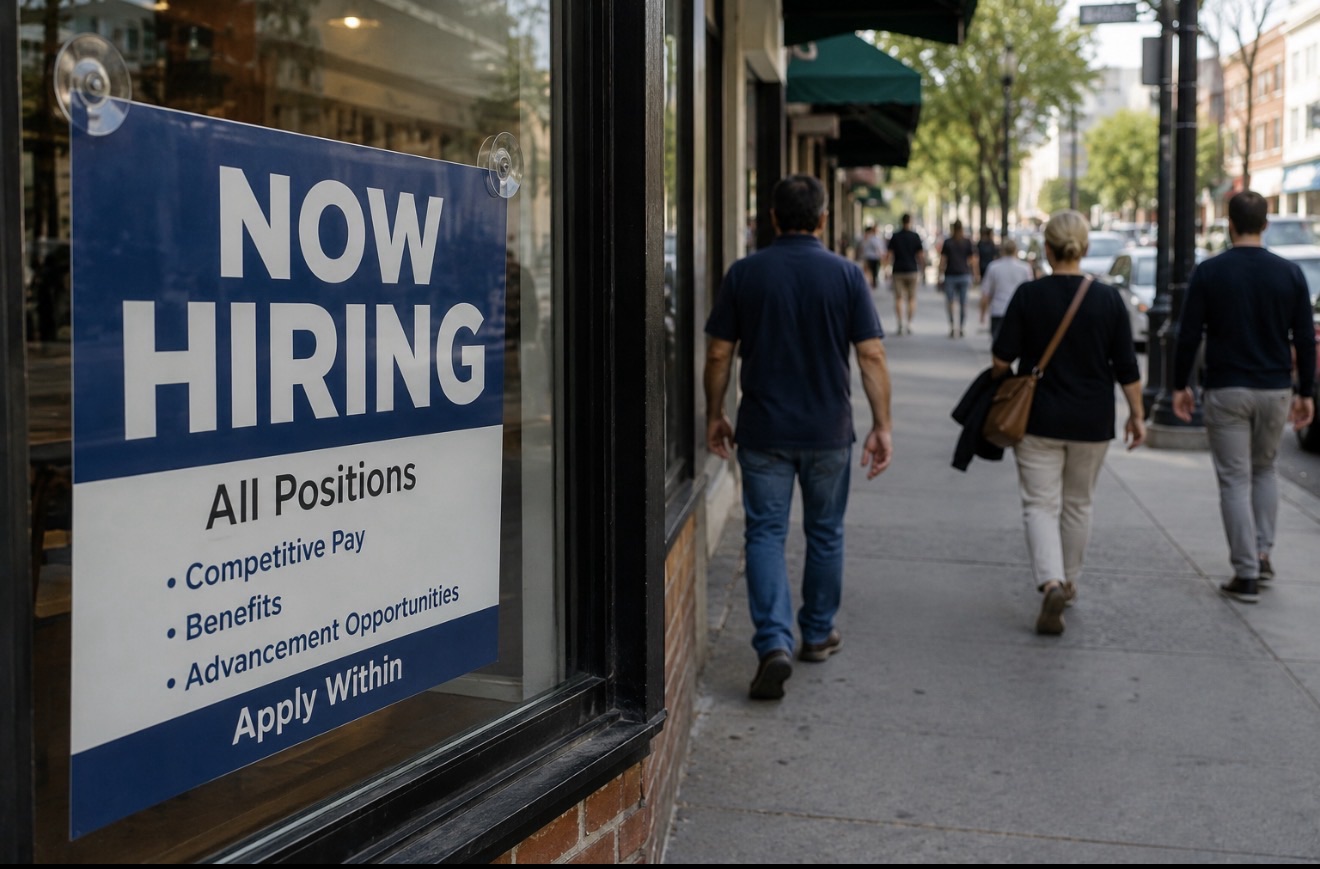

A growing number of Americans are leaving the workforce, and economists remain divided over the reasons behind the trend. According to Bureau of Labor Statistics data released for June, the labor force participation rate—the percentage of working-age Americans who are either employed or actively looking for work—fell to 61.5%, its lowest level since March 2021 and, excluding the pandemic period, the weakest reading since 1976.
The labor force shrank by approximately 720,000 people during the month, while the number of Americans classified as not in the labor force increased by 832,000. Although the official unemployment rate declined to 4.2%, economists noted that much of the improvement reflected people leaving the workforce rather than finding new employment. At the same time, while the establishment survey showed employers added 57,000 jobs during June, the separate household survey indicated that the number of Americans actually employed declined by more than 500,000.
The demographics behind the decline are equally significant. Labor force participation among Americans 55 and older dropped to 37.1%, the lowest level in more than two decades. Participation also slipped among prime-age workers between 25 and 54, a group traditionally considered the core of the American workforce.
Economists have offered several explanations. Laura Ullrich of the Indeed Hiring Lab, formerly with the Federal Reserve Bank of Richmond, argues that demographic changes are playing a growing role as baby boomers retire and slower immigration reduces the supply of available workers. Research she co-authored projects the U.S. labor force could shrink by approximately 5.9 million workers between 2025 and 2032. Strong stock market gains have also allowed many older Americans to retire earlier than previously expected.
Others believe a weakening labor market is discouraging workers from continuing their job searches. Michele Evermore of the National Employment Law Project said finding employment has become increasingly difficult for many job seekers, prompting some workers to step away temporarily while pursuing additional education or retraining as artificial intelligence changes employer hiring needs. Jasmine Tucker of the National Women’s Law Center pointed to another growing factor: return-to-office policies combined with high childcare and caregiving costs, which she says have disproportionately pushed women out of the workforce.
For businesses, the distinction is critical because each explanation carries different economic implications. If fewer people are working because employers are slowing hiring, it could signal weakening demand and a cooling economy. If workers are instead retiring, caregiving or otherwise unavailable, employers may continue facing labor shortages that keep wages elevated, complicate hiring and limit long-term economic growth.
The trend also presents another challenge for the Federal Reserve. A shrinking labor force can contribute to wage inflation by reducing the supply of available workers, even as slower hiring points toward broader economic moderation. Policymakers must weigh both dynamics as they determine future interest-rate policy.
The most likely explanation may be a combination of several factors occurring simultaneously. Demographic shifts, changing workplace expectations, caregiving responsibilities and the evolving impact of artificial intelligence are all reshaping the labor market. Regardless of the cause, the available workforce continues to shrink, creating challenges that employers, policymakers and the broader economy will likely face for years to come.
JBizNews Desk | Washington
© JBizNews.com All Rights Reserved. Reproduction or distribution without written permission is prohibited.