
 Matzav
Gas Prices Poised to Surge Past $4 as Iran Conflict Threatens Global Oil Supply
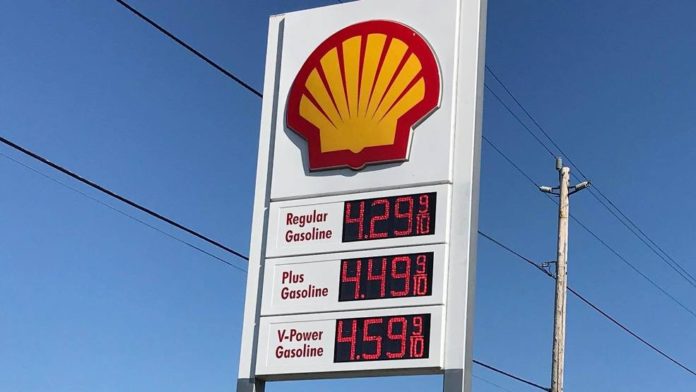
Americans may soon be paying more than $4 per gallon for gasoline once again as escalating military tensions between the United States and Iran disrupt oil shipments through the Strait of Hormuz, one of the world’s most important energy chokepoints. Analysts warn that if the conflict continues, fuel costs could climb rapidly and place renewed strain on consumers already grappling with higher living expenses.
According to fuel-tracking firm GasBuddy, the national average price for regular gasoline reached $3.84 per gallon on Tuesday, an increase of nearly 10 cents over the past week. Compared with a year ago, gasoline prices have climbed 22.2%.
The sharp rise in fuel prices presents a fresh political challenge for President Donald Trump and Republicans, who are preparing for November’s midterm elections while seeking to preserve their narrow majorities in Congress.
Gasoline prices last exceeded the $4-per-gallon threshold in late March after Iran shut down the Strait of Hormuz. Prices later retreated below that level in June following the signing of a memorandum of understanding between Washington and Tehran aimed at ending the war.
A return to $4 gasoline would place additional financial pressure on American families already coping with persistent inflation.
Retail fuel prices have climbed in tandem with crude oil prices after last week’s collapse of the ceasefire between the United States and Iran and the subsequent reimposition of a U.S. naval blockade on Iran. Because crude oil is the primary ingredient used to produce gasoline, increases in oil prices are typically reflected at the pump.
Shipping data released Monday showed that tanker traffic through the Strait of Hormuz has fallen to its lowest level in two months, underscoring the growing disruption to global energy markets.
Before the conflict erupted, roughly one-fifth of the world’s oil supply moved through the Strait of Hormuz. Fuel prices have also been pushed higher by reduced refining capacity in Russia following intensified Ukrainian attacks on Russian energy infrastructure.
“I now expect the national average price of gasoline to reach $4 per gallon in the next 7-10 days, if not sooner, while the U.S. average diesel price is likely to again reach $5 per gallon by the end of this week, potentially as soon as Friday,” GasBuddy analyst Patrick De Haan wrote in a blog post on Monday.
De Haan added that motorists in some states could see gasoline prices surpass the $4 mark even sooner.
The latest increase in fuel costs also threatens to reverse recent progress in lowering inflation after energy prices helped moderate consumer costs in June.
“While June’s inflation data reflected easing price pressures largely due to lower energy costs, a sustained increase in gasoline prices throughout July could quickly alter that narrative,” said Simon-Peter Massabni, head of business development at XS.com.
“The impact extends beyond fuel itself. Higher gasoline prices feed into transportation costs, freight rates, and broader logistics expenses, which eventually pass through to the prices of goods and services across the economy,” Massabni said.
Mark Zandi, chief economist at Moody’s Analytics, warned that if the fighting intensifies and the Strait of Hormuz remains largely closed for several weeks, already-depleted global oil inventories will shrink even further.
Under that scenario, he said, oil, gasoline, and other energy prices would surge sharply, while shortages of physical fuel supplies could begin to emerge around the world.
{Matzav.com}