

 Jewish Breaking News
Israel Unveils $434 Million Plan to Build and Expand 34 Communities Across Judea and Samaria
Israel is moving from planning approvals to physical construction with a NIS 1.3 billion ($434 million) program designed to establish and develop 34 Jewish communities across Judea and Samaria.
The first phase will use prefabricated construction to place up to 15 homes and two public buildings at each location, allowing residents and essential services to arrive while permanent neighborhoods move through the longer planning and construction process. If every location receives the maximum allocation, the opening phase could deliver as many as 510 homes and 68 public buildings.
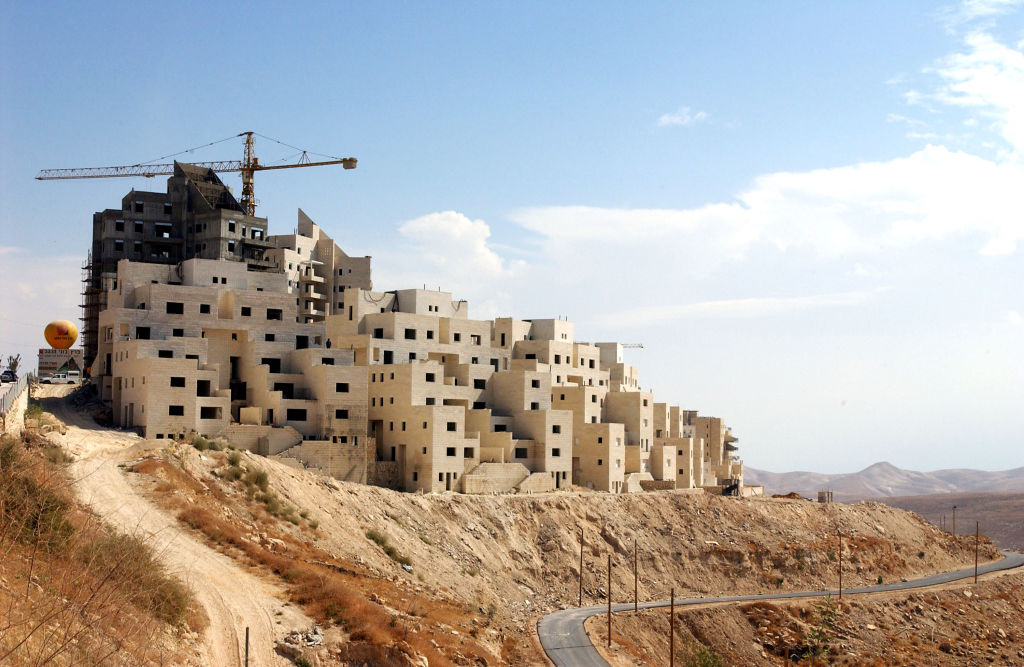
From a real-estate perspective, however, the temporary buildings are only the visible starting point. The larger shift is the creation of a state-financed development pipeline covering statutory planning, land allocation, public infrastructure and budgets for permanent construction.
The Settlements and National Missions Ministry and the Construction and Housing Ministry will lead the program under a senior government steering committee. The communities are spread across Samaria, the Binyamin region, the Jordan Valley, Gush Etzion and the Dead Sea area, placing new residential inventory across several distinct regional markets rather than concentrating it around a single population center.

The government is also advancing a separate NIS 1.075 billion transportation program for roads serving the new communities. Planned over three years, it includes new routes, upgrades to existing roads and security infrastructure intended to provide safer, more reliable access.
That road investment may ultimately matter more to the housing market than the initial construction allocation. Better access can shorten commutes, connect previously remote areas to Jerusalem and central Israel, and make larger residential projects commercially viable. Roads, schools and public buildings are often what transform a small hilltop community into a functioning commuter town capable of attracting young families, developers and businesses.
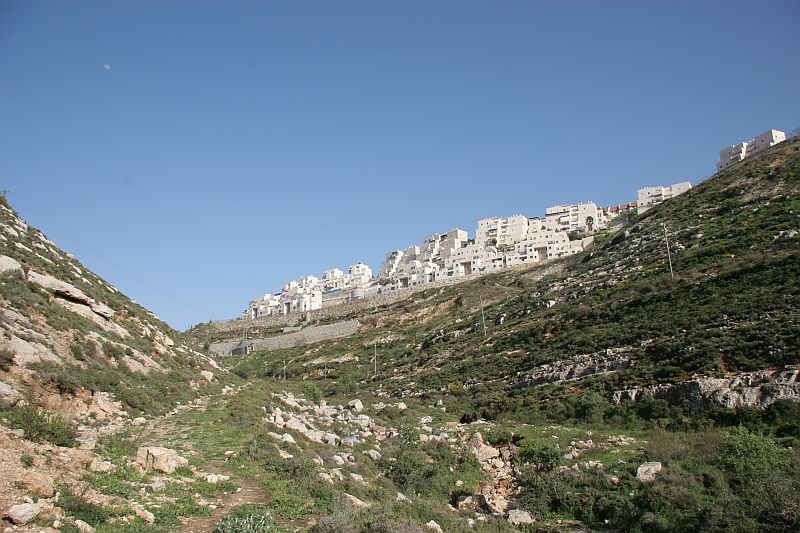
The decision is part of a wider real-estate expansion already reshaping Judea and Samaria. Israeli planning authorities recently advanced 2,162 additional homes, including more than 1,000 units in Gevaot, 922 in Har Bracha and 234 in Kiryat Arba. Gevaot is being positioned as a future urban center that could eventually accommodate thousands of additional homes.
Karnei Shomron has also signed an extensive “Roof Plan” for approximately 6,000 housing units, infrastructure, schools, commercial centers, employment zones and public spaces. The project is intended to increase the Samaria town’s population from roughly 11,000 to about 40,000, creating a larger regional hub connected more closely to central Israel.
Nearby Givat Ze’ev, with more than 35,000 residents, was recently granted city status, giving its municipality additional capacity to manage continued growth. Together, these moves suggest that the government is pursuing more than scattered construction: It is building a network of larger, better-connected residential markets across Judea and Samaria.

For developers and buyers, the opportunity will depend on execution. Permanent neighborhoods will still require completed master plans, building permits, utility connections and dependable transportation. The government’s willingness to finance those early stages reduces some development uncertainty, but delivery schedules and the final number of marketable homes remain unclear.
The projects will also face international political and legal opposition. The United Nations, Palestinian officials and many foreign governments consider Israeli communities in Judea and Samaria illegal under international law, a position Israel rejects, describing the territory as disputed and emphasizing the Jewish people’s historic and legal claims. That dispute remains a source of regulatory and diplomatic risk even as construction accelerates.