
 Jewish Breaking News
Trump Announces Release Of American Hostage As Iran Continues Holding Jewish American And Other U.S. Citizens
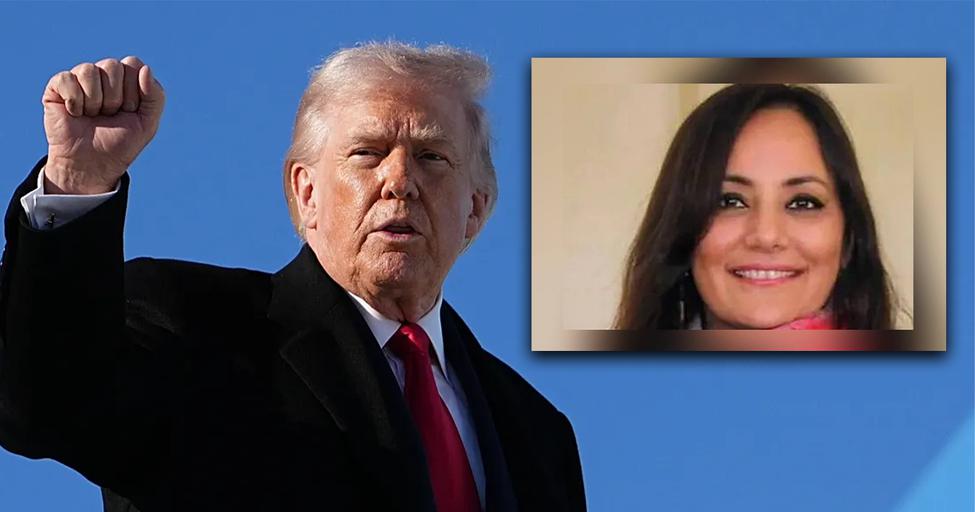
President Donald Trump announced that Iran has released American hostage Dena Karari, who had been trapped inside the Islamic Republic since December 2024.

Karari, a 53-year-old California resident, had traveled to Shiraz to visit relatives when the Iranian regime accused her of espionage over her nonprofit work. Karari was repeatedly interrogated, stripped of her ability to leave Iran and effectively held hostage by the regime under what her attorney described as fabricated charges.
“She is now safely outside of Iran, and in good condition,” Trump announced, thanking Tehran for what he called a “gesture of goodwill.”

Human rights attorney Jared Genser confirmed that Karari was safe and traveling back to the United States, thanking the Trump administration for its efforts to secure her freedom.
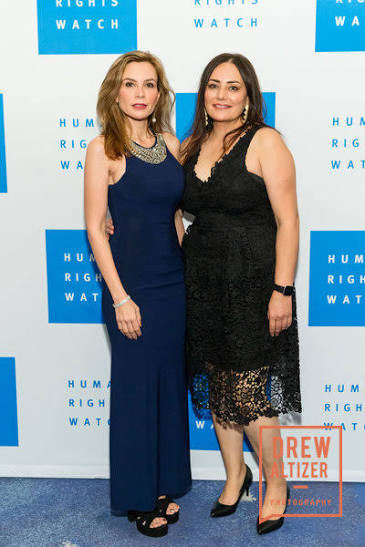
However, several other American hostages remain in Iranian custody.
Detainee advocates reported in March that Iran was holding at least six U.S. citizens or permanent residents, either in prison or under restrictions preventing them from leaving. The identities of three were being withheld from the public.
Among the publicly identified hostages are:
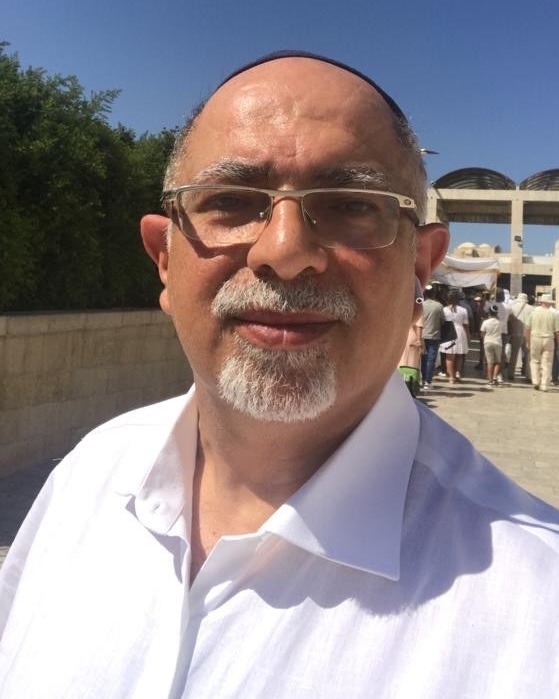
Kamran Hekmati, a Jewish Iranian-American suffering from bladder cancer. Hekmati was imprisoned after being accused of illegally visiting Israel, despite documentation reportedly showing his last trip occurred outside the period prohibited under Iranian law. The United States officially designated him wrongfully detained, meaning Washington considers him a political hostage held on false charges to pressure the U.S. government.
Reza Valizadeh, an Iranian-American journalist arrested after returning to Iran in 2024 to visit his elderly parents. He was sentenced to 10 years in prison for alleged “collaboration with a hostile government” and has been held in Tehran’s notorious Evin Prison.
Shahab Dalili, a U.S. permanent resident arrested in 2016 after traveling to Iran for his father’s funeral. He was sentenced to 10 years for allegedly cooperating with a foreign government and has remained imprisoned for nearly a decade. (
Iran has a long history of arresting Americans and dual nationals on disputed espionage or national-security charges before using them as bargaining chips in negotiations with Western governments.
Karari’s freedom marks a major victory, but the Trump administration continues facing pressure to secure the release of every American still being held hostage by the Iranian regime.