
 Matzav
Breakthrough Cholesterol Pill Wins FDA Approval, Offering Needle-Free Alternative
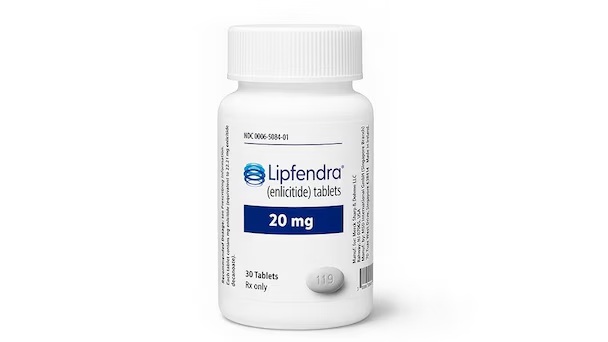
The U.S. Food and Drug Administration has approved a groundbreaking new cholesterol-lowering pill that could transform treatment for millions of patients by providing the first oral alternative to injectable PCSK9 medications. The drug, developed by Merck and marketed under the brand name Lipfendra, is designed for people whose dangerously high cholesterol levels remain elevated despite taking statins.
The approval, announced Thursday, is aimed at patients suffering from artery-clogging LDL, or “bad,” cholesterol that continues to pose a serious cardiovascular risk even after treatment with standard cholesterol-lowering medications. Until now, drugs targeting the PCSK9 protein have only been available as injections, limiting their use because of high costs, insurance hurdles, and relatively limited prescribing.
Lipfendra is the first pill to work by blocking the liver protein known as PCSK9. That protein interferes with the body’s natural ability to remove cholesterol from the bloodstream. Injectable medications that target PCSK9 have been on the market for more than a decade through companies such as Amgen, but their widespread use has been hampered by financial and access barriers.
While statins remain the foundation of cholesterol treatment by reducing the liver’s production of cholesterol, many patients are unable to lower their LDL levels enough with statins alone. As a result, additional therapy is often necessary to help patients reach recommended cholesterol targets and reduce their risk of heart attack and stroke.
Merck, headquartered in Rahway, New Jersey, secured FDA approval after two clinical trials involving high-risk patients who took Lipfendra in addition to their existing cholesterol medications, including statins. In one study involving approximately 3,000 participants, patients who received Lipfendra experienced a reduction in LDL cholesterol of more than 55% after six months. A second trial found that patients taking the medication achieved an average LDL reduction of 59% compared with those who received a placebo.
Researchers reported that the cholesterol-lowering effects remained largely consistent over the course of a year. The most commonly reported side effects, including dizziness and diarrhea, occurred at rates similar to those seen in patients taking the placebo. One important requirement is that the medication must be taken on an empty stomach.
The FDA evaluated Lipfendra through its accelerated review program for promising treatments considered to serve the public interest. The expedited pathway was established under then-FDA Commissioner Dr. Marty Makary, who resigned from the agency in May following months of pressure from pharmaceutical companies, patient advocates, and other outside organizations.
Heart disease remains the leading cause of death in the United States, with elevated LDL cholesterol recognized as one of the primary contributors to heart attacks and strokes. While an LDL level below 100 is generally considered acceptable for healthy individuals, physicians typically recommend reducing LDL to 70 or lower for patients with heart disease or high cholesterol, with even lower targets advised for those considered to be at the highest cardiovascular risk.
{Matzav.com}