
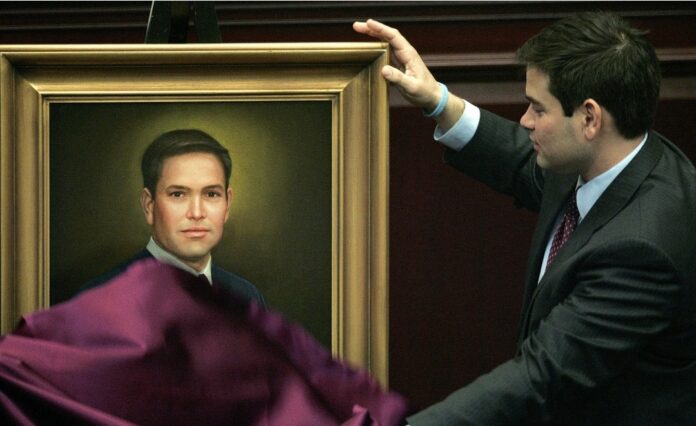

MIAMI (VINnews)-Marco Rubio’s ascent in Florida politics began in the late 1990s in the modest setting of West Miami, a small, predominantly Cuban-American community. The son of Cuban immigrants, Rubio leveraged local networks, personal charisma, and early backers to move quickly from city commissioner to state legislator and beyond. While several figures played roles, one stands out for his direct involvement in Rubio’s very first campaign.
Rebeca Sosa: The Launchpad
Rebeca Sosa, then mayor of West Miami, was a pivotal early factor. In 1998, the young Rubio (fresh out of law school) approached her about running for a seat on the city commission. Sosa took him under her wing, canvassed door-to-door with him, and provided crucial local credibility and support. She later recalled spotting his potential immediately, saying she knew “big things” were ahead for him. This grassroots help helped Rubio secure his first elected office in a low-profile but foundational race.
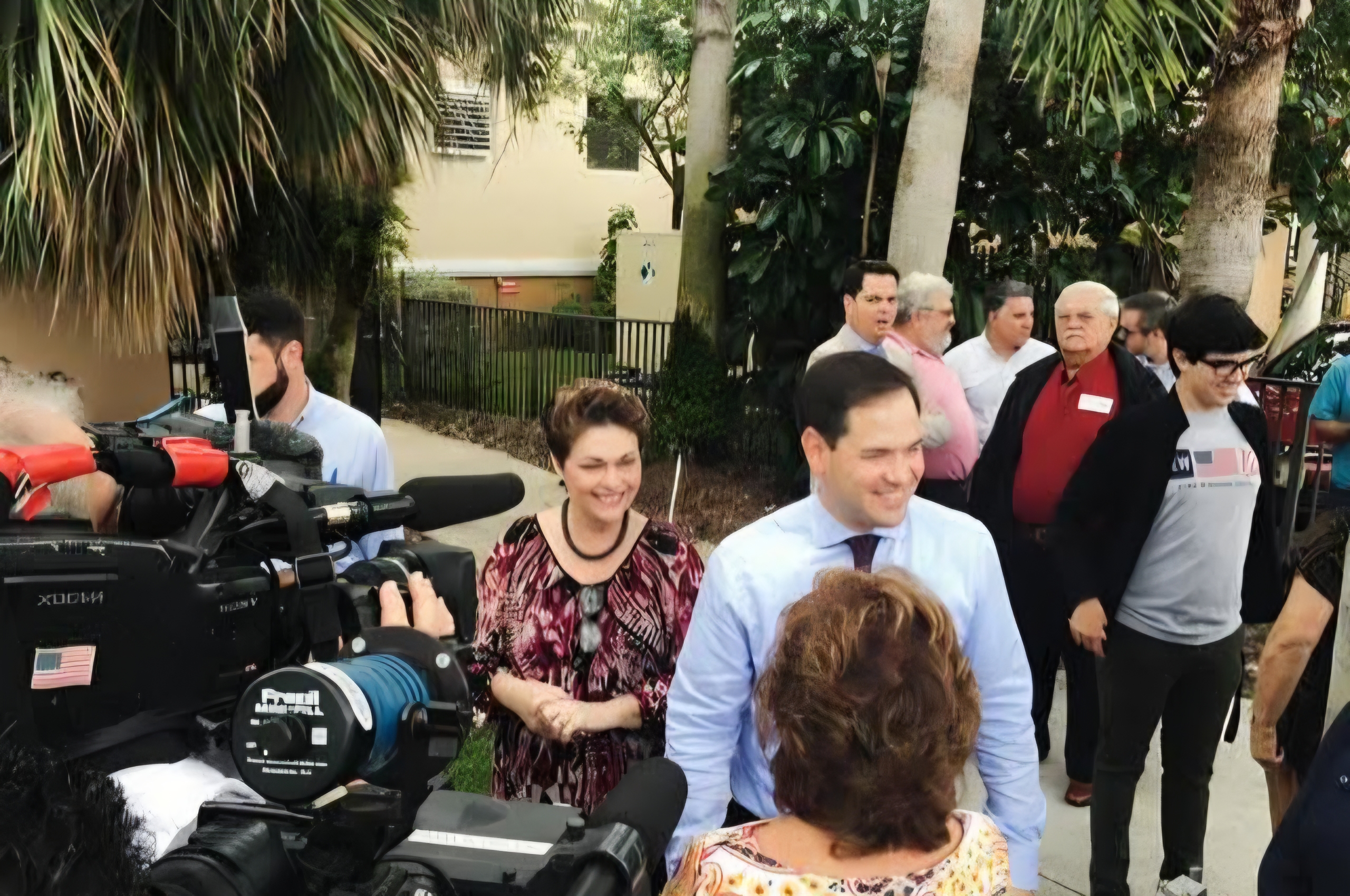
Sosa’s mentorship gave Rubio an entry point into local politics and the tight-knit Cuban exile community that would fuel much of his career.
Other Early Influences
Al Cardenas: A prominent Miami lawyer and Cuban-American Republican figure, Cardenas hired Rubio for his first full-time job after law school and involved him in Bob Dole’s 1996 presidential campaign in South Florida. He introduced Rubio to wider GOP networks, including early ties to Jeb Bush, and contributed to his initial campaign. Cardenas served as a key connector in Rubio’s transition from law to politics.
Jeb Bush: Bush provided early encouragement, including a small donation for Rubio’s 1998 race and congratulations after his win. Their relationship deepened later, with Bush acting as a broader mentor during Rubio’s rise in the Florida House (highlighted by a ceremonial “sword” presentation when Rubio became Speaker). Bush’s influence was more prominent in the 2000s than at the absolute start.
Norman Braman’s Role: A Major Later Backer, Not an Early One
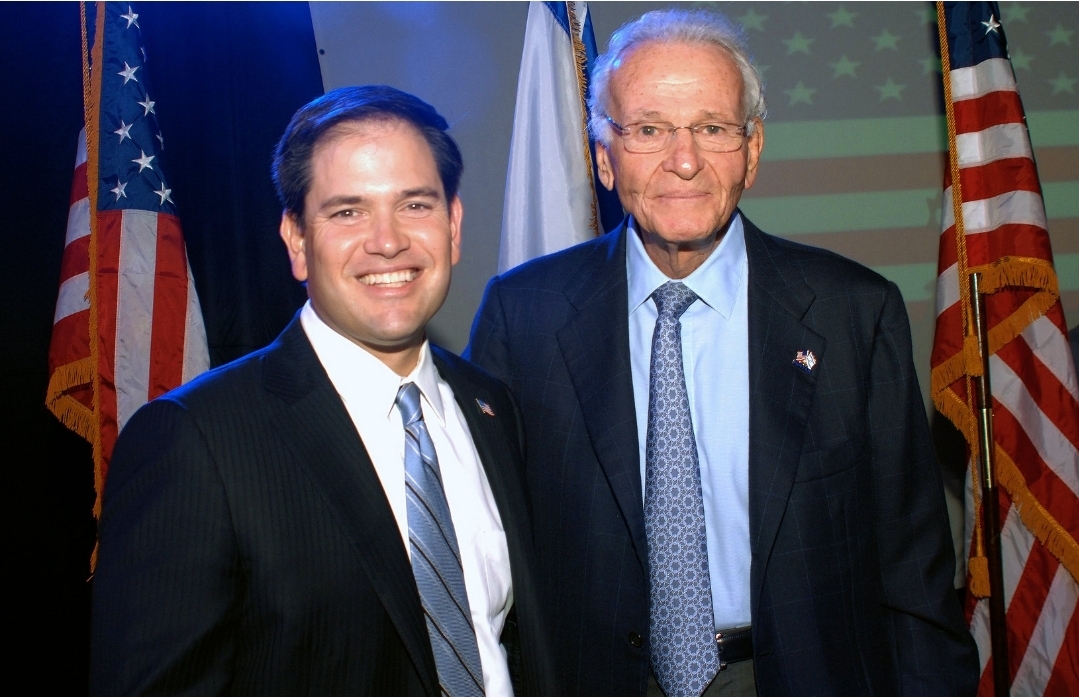
Billionaire auto dealer and philanthropist Norman Braman became one of Rubio’s most significant patrons, but his involvement was not a major factor in Rubio’s earliest days. Their relationship began in the early-to-mid 2000s when Rubio was already in the Florida House. Braman, drawn to Rubio’s story as a fellow son of immigrants and his support for causes like the Braman Family Breast Cancer Institute, provided financial and personal support.
Braman’s contributions included:
Donations to Rubio’s campaigns and the Florida Republican Party.
Helping fund Rubio’s post-legislature teaching position at Florida International University (contributing $100,000).
Hiring Rubio as a lawyer during his Senate campaign period and employing Rubio’s wife, Jeanette, at the Braman family foundation.
Access to private planes and personal mentorship (Rubio has described Braman as a father figure).
Major funding for Rubio’s 2010 U.S. Senate run (when Rubio challenged Charlie Crist) and especially his 2016 presidential bid, where Braman pledged millions (up to $10–25 million) to super PACs.
Braman’s backing was crucial for Rubio’s financial stability and higher-profile ambitions, helping him weather challenges and compete at the national level. However, it came after Rubio had already established himself locally and in the state legislature. Braman was not involved in the 1998 West Miami race or the immediate launch of Rubio’s career.
Legacy of Rubio’s Early Network
Rubio’s rapid rise—from West Miami commissioner (1998) to Florida House (2000, later Speaker) to U.S. Senator (2010)—reflected a combination of personal ambition, the Cuban-American political machine in Miami, and strategic alliances. Figures like Sosa provided the initial boost, while later supporters like Braman supplied the resources for bigger stages. This network helped position Rubio as a rising star in the Republican Party, blending local roots with national appeal.
Today, Rubio’s story remains a testament to how early local mentors and later financial patrons can propel a talented politician forward.