
 JBizNews
ECB Stays on War Alert as Markets Brace for Possible September Rate Hike
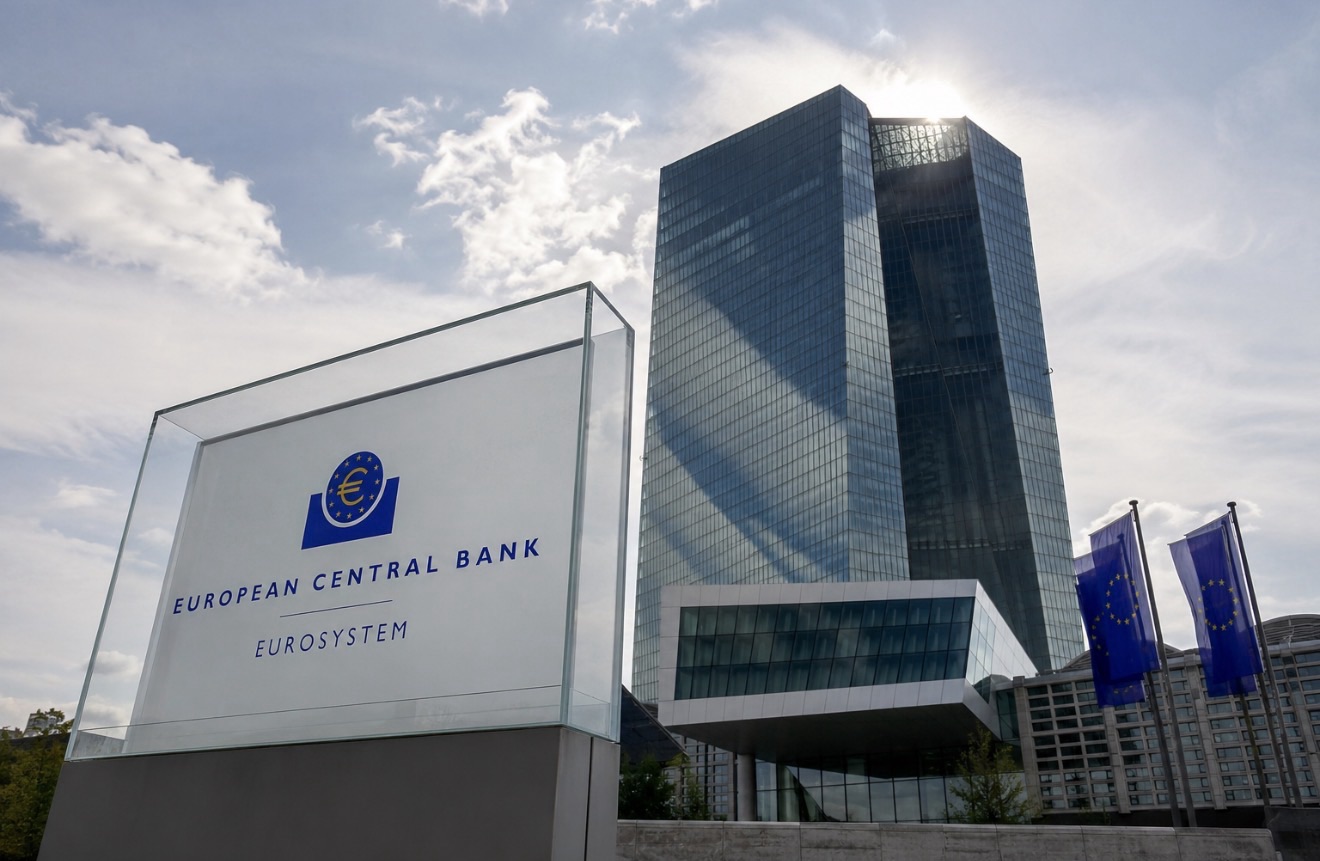
FRANKFURT — The European Central Bank enters the week of July 19 facing one of its most closely watched policy meetings of the year, as officials continue to warn that the ongoing war in the Middle East remains a significant inflation threat even as headline price pressures have eased. The ECB is widely expected to leave interest rates unchanged at its July 23 meeting, but policymakers have made clear they stand ready to raise rates again if higher energy costs begin feeding more broadly into wages and consumer prices.
The central bank raised its three benchmark interest rates by 25 basis points in June, lifting the deposit facility rate to 2.25% after concluding that the conflict’s impact on global energy markets had materially worsened the euro area’s inflation outlook. At the same time, the ECB revised its economic projections, forecasting inflation to average 3.0% in 2026, 2.3% in 2027, before returning to its 2% target in 2028. Officials attributed the higher outlook primarily to elevated energy prices expected to spill over into food, manufactured goods and services.
Minutes from the ECB’s June Governing Council meeting, released earlier this month, show policymakers remain concerned that continued disruption to energy supplies and shipping through the Strait of Hormuz could prolong inflation well into next year. Members agreed that while higher oil prices initially affect energy costs, the greater risk is that businesses eventually pass those increases throughout the broader economy, creating persistent inflation that requires additional monetary tightening.
Despite those concerns, financial markets overwhelmingly expect the ECB to pause next week rather than raise rates immediately. A broad survey of economists indicates policymakers are likely to keep the deposit rate at 2.25% while evaluating incoming inflation data over the summer. However, most economists now anticipate at least one additional quarter-point increase at the September meeting if energy prices remain elevated and inflation fails to move convincingly back toward the ECB’s target.
Recent comments from senior ECB officials reinforce that cautious approach. Even traditionally hawkish policymakers have argued that while inflation risks remain significant, there is currently insufficient evidence that higher oil prices have triggered widespread second-round effects in wages and broader consumer prices. At the same time, they emphasized the central bank remains fully prepared to tighten policy further should those pressures emerge.
The balancing act has become increasingly difficult. Eurozone economic growth remains subdued, with businesses already facing elevated borrowing costs following June’s rate increase. Another move higher would increase financing costs for commercial real estate, manufacturers, exporters and consumers across the euro area. Conversely, failing to respond if inflation accelerates again could undermine the ECB’s credibility after spending years bringing inflation back under control.
Global investors will therefore focus less on next week’s expected decision to hold rates steady and more on ECB President Christine Lagarde’s guidance regarding the months ahead. Markets will closely examine whether the Governing Council believes the recent surge in energy prices represents a temporary geopolitical shock or the beginning of a broader inflation cycle requiring additional policy tightening before the end of 2026.
With energy markets remaining volatile and geopolitical tensions continuing to influence inflation expectations, next week’s ECB meeting is expected to set the tone not only for European monetary policy but also for global bond markets, currencies and corporate borrowing costs heading into the second half of the year.
JBizNews Desk | Frankfurt
© JBizNews.com All Rights Reserved. Reproduction or distribution without written permission is prohibited.