
 JBizNews
South Korea Details New Steps to Make Won Trading Easier for Foreign Investors
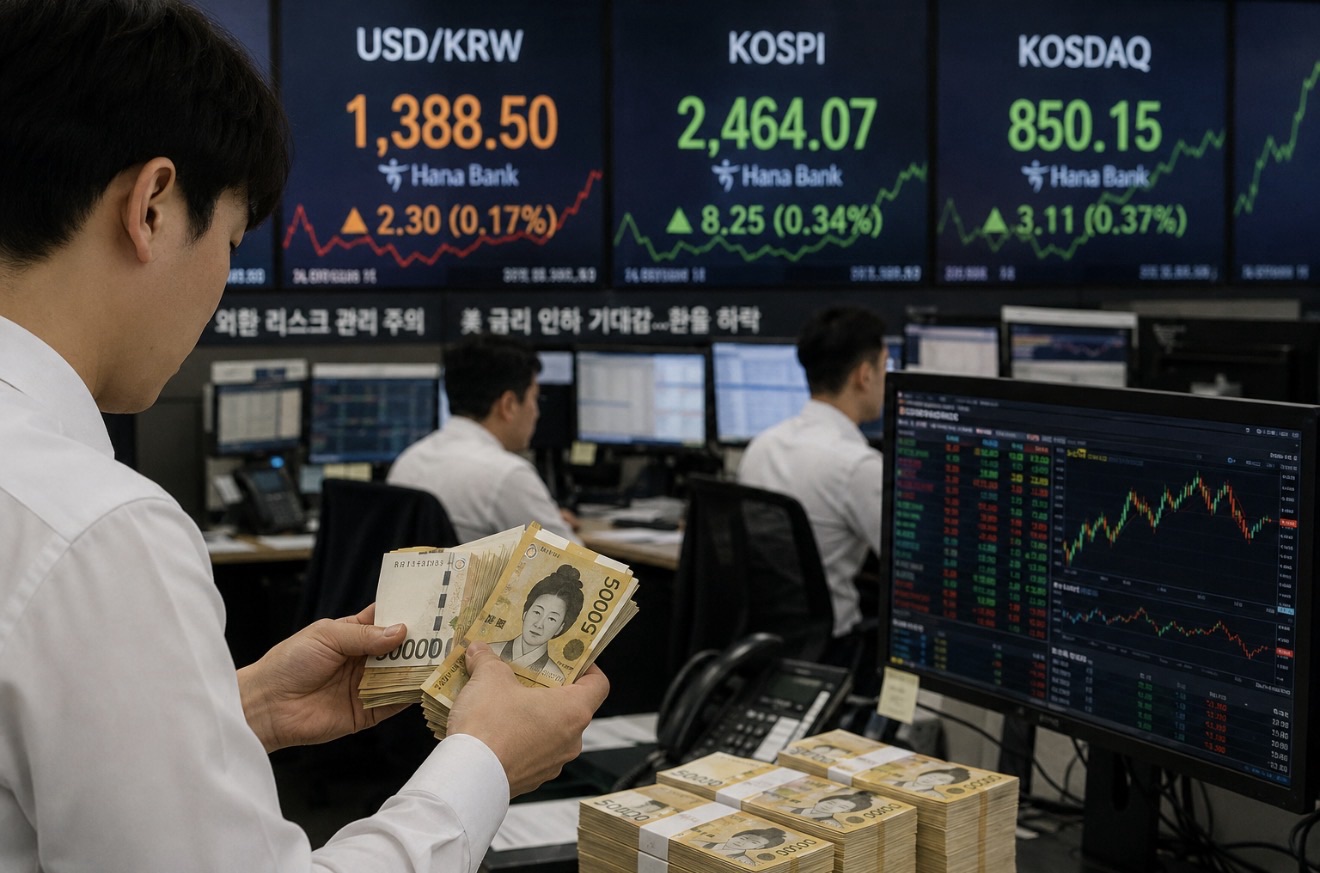
SEOUL — South Korea’s Ministry of Economy and Finance on July 19, 2026, released new implementation details expanding its foreign-exchange market liberalization program, outlining additional measures that will make it easier for foreign financial institutions to trade the Korean won as Seoul continues its effort to transform the currency into one that is more widely used in global markets. The announcement builds on the country’s recent launch of extended weekday won trading and marks the next phase of reforms aimed at attracting international capital.
The government said the latest measures are designed to reduce operational barriers that have historically discouraged foreign participation in Korea’s currency market. Officials believe broader access to the won will strengthen the country’s financial markets, improve liquidity and support long-term economic growth while maintaining safeguards against excessive market volatility.
Among the reforms, qualified foreign financial institutions will continue gaining expanded access to Korea’s interbank foreign-exchange market without the traditional requirement of maintaining a full domestic banking presence. Authorities are also simplifying reporting procedures, reducing administrative requirements and developing new settlement mechanisms intended to make cross-border transactions faster and more efficient.
A significant component of the strategy is the continued development of offshore settlement infrastructure that will allow approved institutions to hold and use won balances more efficiently outside South Korea. The government believes these changes will reduce transaction costs for global investors while making it easier for multinational companies to hedge currency exposure and manage business operations involving Korean assets.
The reforms represent one of the most significant changes to Korea’s foreign-exchange framework since the country tightened capital controls following the 1997 Asian financial crisis. While authorities remain committed to protecting financial stability, policymakers now view greater international participation as essential to maintaining Korea’s competitiveness among the world’s leading financial markets.
For global investors, easier access to the won could simplify investment in Korean equities and bonds by reducing currency-conversion costs and improving liquidity during international trading hours. The reforms also support the government’s broader initiative to modernize capital markets, encourage foreign investment and strengthen corporate competitiveness.
Currency accessibility has become an increasingly important factor in South Korea’s long-term objective of achieving broader recognition among global index providers. International investors have frequently cited foreign-exchange restrictions and settlement limitations as obstacles to increasing exposure to Korean financial markets. Officials hope that continued liberalization will help address those concerns over time.
Businesses operating in South Korea could also benefit from the reforms. Companies engaged in international trade may experience more efficient settlement of commercial transactions, while financial institutions should gain greater flexibility in managing currency risk. Together with ongoing efforts to improve corporate governance and capital-market transparency, the government believes the changes will enhance Korea’s position as a regional financial hub.
Authorities emphasized that implementation will continue in phases while market conditions are closely monitored by financial regulators and the Bank of Korea. Additional adjustments could be introduced as trading volumes expand and foreign participation increases.
Although the reforms will not immediately create a completely unrestricted offshore won market, they represent another major step toward integrating South Korea’s financial system more closely with global markets. Investors will now be watching whether increased participation by international banks and institutional investors produces deeper liquidity and strengthens the won’s role in international finance.
JBizNews Desk | Seoul
© JBizNews.com All Rights Reserved. Reproduction or distribution without written permission is prohibited.