
 Vos Iz Neias
Researchers Recreate Ancient Negev Wine Using 1,500-Year-Old Grape Varieties
JERUSALEM (VINnews) — Israeli researchers have recreated a wine believed to resemble one produced in the Negev Desert during the Byzantine era, reviving ancient grape varieties and farming techniques that had disappeared for more than 1,500 years, according to Ynet.
The project, led by the Israel Nature and Parks Authority in partnership with the University of Haifa, established a heritage vineyard at the ancient desert city of Avdat using grape varieties identified through genetic analysis of grape seeds discovered at the archaeological site.
Researchers planted the historic Dabouki, Be’er and Sraiki grape varieties using cultivation methods reconstructed from the Mishnah and other ancient Jewish texts. The grapes were harvested by hand and turned into natural wines without commercial yeast, sulfur, sulfites or other additives.
Researchers said they did not know what Byzantine-era wine would have tasted like and expected the results might not appeal to modern tastes. Instead, they said the first vintage exceeded expectations, with one participating winemaker asking how he could obtain hundreds of vines after tasting the wine.
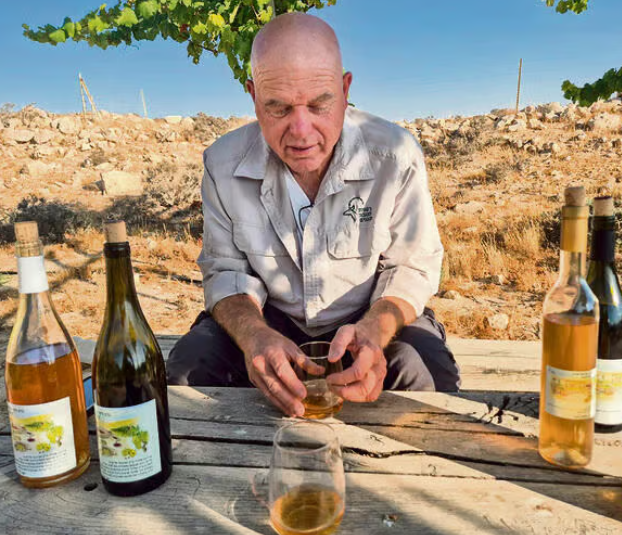
The experimental wines were produced by small wineries in the Negev following the 2025 harvest. Schweimer said a wine made from the Be’er grape variety appeared to come closest to what may have been been produced in Avdat during the Byzantine period.
The current vintage is not eligible for kosher certification because it was produced from young vines. Researchers hope to expand production over the coming year as the vineyard matures and cultivation methods improve. Wine produced in the Negev during the Byzantine period was widely exported across the Mediterranean and was considered among the region’s most prized wines, according to Ynet.