
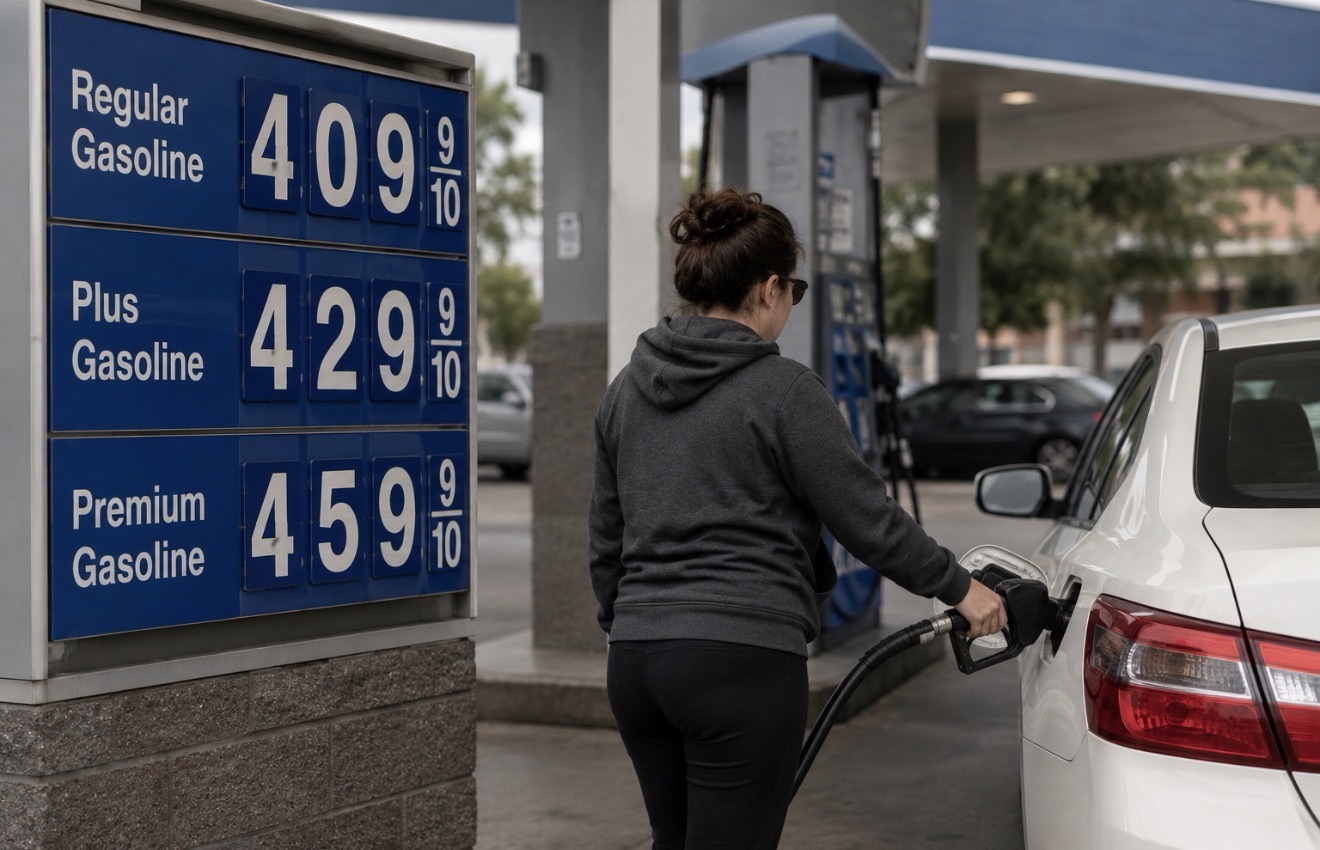

The U.S. Energy Information Administration (EIA) reported this week that U.S. gasoline inventories continued to decline while NYMEX gasoline futures climbed above $3.30 per gallon on Friday, signaling renewed pressure on fuel markets during the peak summer driving season. Combined with rising geopolitical tensions, tightening global fuel supplies and historically low domestic gasoline stockpiles, the latest government and market data point to increasing pressure on consumers and businesses as retail gasoline prices move back toward $4 per gallon nationwide.
The recent rise marks a sharp reversal from the brief period of lower fuel prices earlier this summer. Gasoline futures settled near their highest levels since late May after gaining more than 10% over the past month and more than 50% compared with the same period last year. Retail prices have followed the same direction, erasing much of the relief motorists experienced only weeks ago.
While crude oil prices have strengthened alongside renewed military activity involving the United States and Iran, the larger problem is no longer simply the cost of crude oil. The growing shortage lies in the availability of finished gasoline.
Government inventory data shows U.S. gasoline stockpiles have fallen to their lowest seasonal level since 2012, leaving approximately 14 million barrels below the five-year average for this time of year. During the busiest travel season of the year, those inventories provide very little cushion should additional disruptions occur.
Several developments have contributed to the tightening supply picture simultaneously.
Renewed instability surrounding the Strait of Hormuz, continued attacks affecting energy infrastructure, uncertainty involving global shipping routes and ongoing disruptions to portions of Russia’s refining network have all added new pressure to international fuel markets. Every interruption increases concerns that refined fuel supplies could tighten further before inventories have an opportunity to recover.
At the same time, refining economics continue favoring products other than gasoline.
Many U.S. refineries have directed greater production toward diesel fuel and jet fuel, both of which currently generate stronger profit margins. Strong international demand has also encouraged record exports of refined petroleum products, further reducing the amount of gasoline available for domestic markets. Although refineries continue operating at high utilization rates, the mix of products being produced has contributed to slower rebuilding of gasoline inventories.
That imbalance is reflected in the gasoline crack spread, the industry measure of refining profitability.
The spread has climbed to roughly $59 per barrel, its highest level in more than four years. A widening crack spread generally signals that gasoline itself—not crude oil—is becoming increasingly scarce. Even if crude production remains adequate, gasoline prices can continue climbing when refining capacity and inventories remain constrained.
For businesses across the Tri-State region, higher gasoline prices reach far beyond the fuel pump.
Every delivery truck, contractor vehicle, service van and commercial fleet immediately absorbs higher operating expenses. Transportation companies eventually pass those additional costs through the supply chain, increasing freight charges that ultimately affect wholesalers, retailers and consumers alike.
Distribution centers serving New York, New Jersey and Connecticut are particularly sensitive because virtually every product delivered to stores requires multiple stages of transportation before reaching consumers. Higher fuel costs gradually work their way into pricing across numerous industries.
The impact eventually reaches household budgets as well.
When families spend more filling their gas tanks, discretionary spending typically declines. Restaurant visits, entertainment, apparel purchases, home improvement projects and other optional spending often become the first categories consumers reduce. Large consumer companies have recently acknowledged that rising fuel costs are once again weighing on purchasing behavior as households become increasingly selective about where they spend their money.
The current market also highlights an important distinction between crude oil prices and gasoline prices.
Even if global crude supplies stabilize, gasoline prices may remain elevated until refining capacity, inventory levels and distribution networks return to more balanced conditions. Additional crude production alone cannot immediately resolve shortages of refined gasoline if inventories remain historically tight.
Looking ahead, several factors will determine whether pump prices continue climbing through the remainder of the summer. Markets will closely monitor developments involving the Middle East, the security of shipping through the Strait of Hormuz, refinery production levels, gasoline inventory reports released by the EIA, and the potential for hurricanes to disrupt refining operations along the U.S. Gulf Coast during the peak of hurricane season.
For now, the numbers tell a straightforward story.
With gasoline inventories sitting near fourteen-year seasonal lows, refining margins at multi-year highs, and geopolitical risks continuing to threaten global energy supplies, the gasoline market remains unusually vulnerable. Unless inventories begin rebuilding quickly or geopolitical tensions ease, motorists and businesses should expect continued volatility—and potentially higher prices—through the remainder of the summer driving season.
JBizNews Desk | New York
© JBizNews.com All Rights Reserved. Reproduction or distribution without written permission is prohibited.