
 JBizNews
Shipping Risks Intensify in the Strait of Hormuz as Oil Markets Brace for New Supply Threats
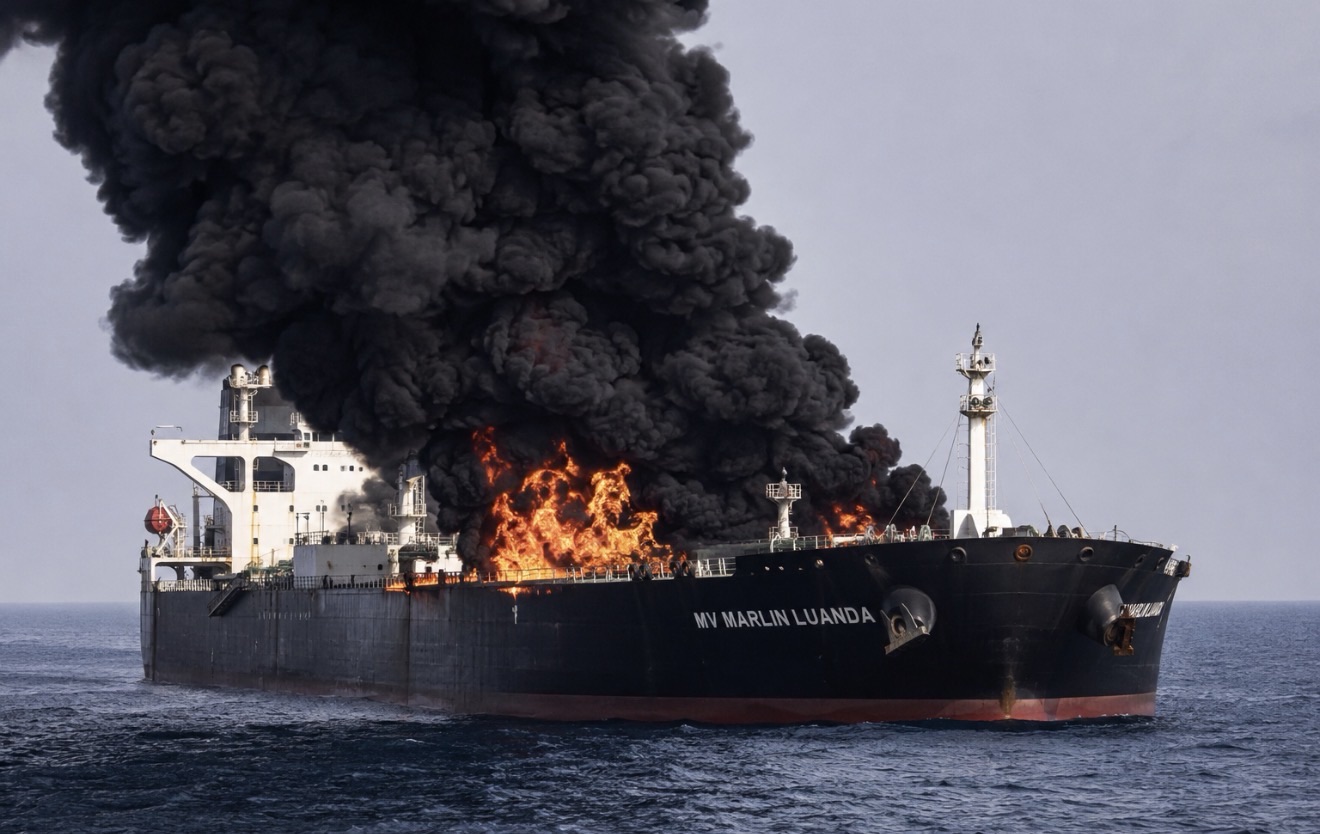
The latest shipping data and maritime security advisories show commercial traffic through the Strait of Hormuz has slowed sharply following renewed attacks on vessels and escalating military operations in the Gulf, raising fresh concerns over global energy supplies as financial markets prepare to open Monday, July 20. The Strait carries roughly one-fifth of the world’s seaborne oil trade, making any disruption a closely watched risk for investors, energy companies and governments.
The slowdown reflects more than temporary caution. Shipping companies have reduced voyages through the waterway, some vessels have switched off public tracking systems for security reasons, and operators are increasingly reassessing whether the risks outweigh the financial rewards of continuing normal transit. Tanker traffic has fallen to its lowest level in nearly two months, according to shipping data, underscoring growing concern across the maritime industry.
For global markets, the immediate issue is not whether the Strait closes entirely but whether fewer ships moving through it begin tightening oil supplies. Even modest reductions in exports can increase volatility in crude prices, insurance costs and freight rates, ultimately filtering through to gasoline, diesel, aviation fuel and consumer prices worldwide.
Energy traders will be watching crude futures closely when electronic trading resumes Sunday evening. Oil prices have already climbed as geopolitical tensions intensified, reflecting concern that additional attacks could further disrupt exports from one of the world’s most important energy corridors.
The consequences extend well beyond the energy sector. Airlines, shipping companies and logistics firms typically face higher operating costs when fuel prices rise. Manufacturers dependent on imported raw materials can also experience increased transportation expenses, while retailers may ultimately pass higher freight costs on to consumers. At the same time, higher energy prices can complicate inflation trends that central banks have been trying to contain.
Investors will also be monitoring defense companies, which historically attract increased attention during periods of heightened geopolitical uncertainty, while energy producers often benefit from stronger crude prices. Conversely, transportation, travel and consumer discretionary companies can come under pressure if investors believe higher fuel costs will reduce profits or weaken consumer spending.
Another growing concern is marine insurance. As attacks on commercial shipping increase, insurers often raise premiums for vessels entering high-risk waters. Those additional costs become part of the overall expense of moving oil and other commodities, adding another layer of inflationary pressure throughout global supply chains.
Although the Strait of Hormuz remains open, recent developments demonstrate how quickly market sentiment can shift. Even without a formal blockade, reduced shipping activity, rerouted cargoes and increased security precautions can tighten available supplies enough to influence global commodity prices.
For Wall Street, Monday’s opening will likely reflect how investors judge the balance between geopolitical risk and corporate fundamentals. If tensions stabilize, markets may recover some recent losses. However, any additional attacks on commercial vessels or critical energy infrastructure before the opening bell could trigger another move toward safe-haven assets such as gold and U.S. Treasury securities while supporting higher oil prices.
The broader economic impact will depend on whether current disruptions remain temporary or develop into a longer-lasting constraint on global energy flows. For now, the Strait of Hormuz has once again become one of the world’s most closely watched economic chokepoints, reminding investors that geopolitical events can rapidly reshape market expectations.
JBizNews Desk | New York
© JBizNews.com All Rights Reserved. Reproduction or distribution without written permission is prohibited.