 JBizNews
Federal Reserve’s “Family Fight” Over Interest Rates Intensifies Ahead of July Meeting
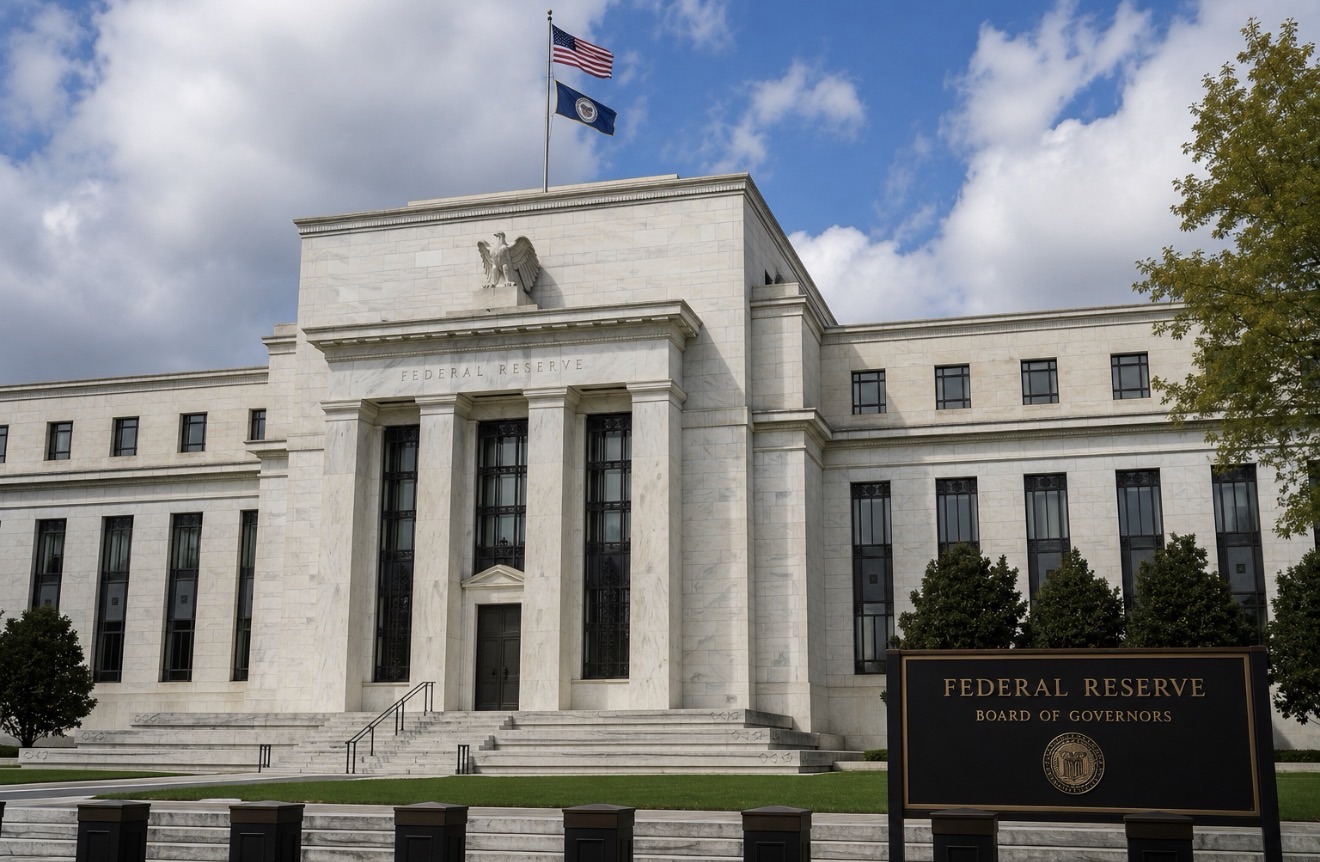
The Federal Reserve’s internal debate over interest rates has become increasingly public ahead of its July 28–29 Federal Open Market Committee (FOMC) meeting, following recent remarks by Federal Reserve Chair Kevin Warsh and several voting policymakers that highlight growing disagreement over whether inflation remains stubborn enough to justify another rate increase. The widening divide comes as financial markets closely watch for any shift in monetary policy that could affect borrowing costs, business investment, consumer spending, and financial markets.
The increasingly visible disagreement marks one of the most closely watched policy debates since Warsh assumed the chairmanship earlier this year. While previous Federal Reserve leaders often sought to present a unified message before major policy meetings, several senior officials have openly expressed differing views on inflation, employment, and the appropriate direction of interest rates.
During recent public appearances before Congress and international policymakers, Warsh acknowledged the disagreement by describing it as a “family fight,” while deliberately avoiding any indication of how he intends to vote at the upcoming meeting. The chairman has repeatedly emphasized that the Federal Reserve should avoid providing excessive forward guidance, arguing policymakers should respond to incoming economic data rather than commit markets to future actions.
The Federal Reserve currently maintains its benchmark federal funds rate in a target range of 3.50% to 3.75%, following several years of aggressive tightening designed to bring inflation back toward the central bank’s 2% objective.
Although inflation has eased substantially from its post-pandemic highs, several policymakers argue price pressures remain elevated enough to warrant additional restraint. Rising energy costs, continued strength in portions of the labor market, expanding investment in artificial intelligence infrastructure, and lingering supply-chain disruptions have all been cited as factors that could slow further progress toward the Fed’s inflation target.
Among the most vocal advocates for maintaining a restrictive policy stance is Dallas Federal Reserve President Lorie Logan, who recently argued that “modestly higher” interest rates may still be necessary if inflation fails to continue moderating. Other policymakers have similarly warned that declaring victory over inflation too soon could require even more aggressive action later.
Several officials have also pointed to rapidly growing electricity demand from AI data centers, ongoing geopolitical uncertainty affecting global energy markets, and tariff-related price pressures as developments that deserve continued monitoring before considering any future rate reductions.
Not every policymaker shares that assessment.
New York Federal Reserve President John Williams has continued expressing confidence that inflation will gradually decline as housing costs moderate and labor market conditions normalize. Other officials have similarly argued that maintaining current interest rates for a longer period may provide sufficient restraint without risking unnecessary damage to employment or economic growth.
Recent economic data have contributed to the debate.
While inflation remains above the Federal Reserve’s long-term objective, several recent reports suggest price growth has continued slowing compared with previous years. At the same time, unemployment has remained relatively low, consumer spending has shown resilience, and business investment has continued expanding despite elevated borrowing costs.
That combination has complicated the policy outlook.
For businesses, every quarter-point movement in interest rates affects financing costs for expansion projects, commercial real estate, equipment purchases, and inventory financing. Consumers likewise feel the impact through mortgage rates, automobile loans, credit cards, and other forms of borrowing.
Financial markets have responded by continuously adjusting expectations for future Federal Reserve actions. Investors increasingly recognize that policymakers remain divided over whether inflation has been sufficiently contained or whether additional tightening could still become necessary later this year.
The outcome of the July meeting will therefore extend well beyond Wall Street. Any change in interest-rate policy would influence corporate borrowing, hiring decisions, consumer confidence, housing activity, and the overall pace of economic growth heading into the second half of the year.
Whether the committee ultimately votes unanimously or produces formal dissents, the Federal Reserve’s unusually public policy debate underscores the uncertainty surrounding the U.S. economy. With inflation continuing to ease but remaining above target, policymakers face the difficult challenge of balancing price stability against maintaining the economic expansion that has so far remained remarkably resilient.
JBizNews Desk | Washington, D.C.
© JBizNews.com All Rights Reserved. Reproduction or distribution without written permission is prohibited.