
 JBizNews
Hong Kong Exchange Considers Longer Trading Hours to Strengthen Global Financial Hub
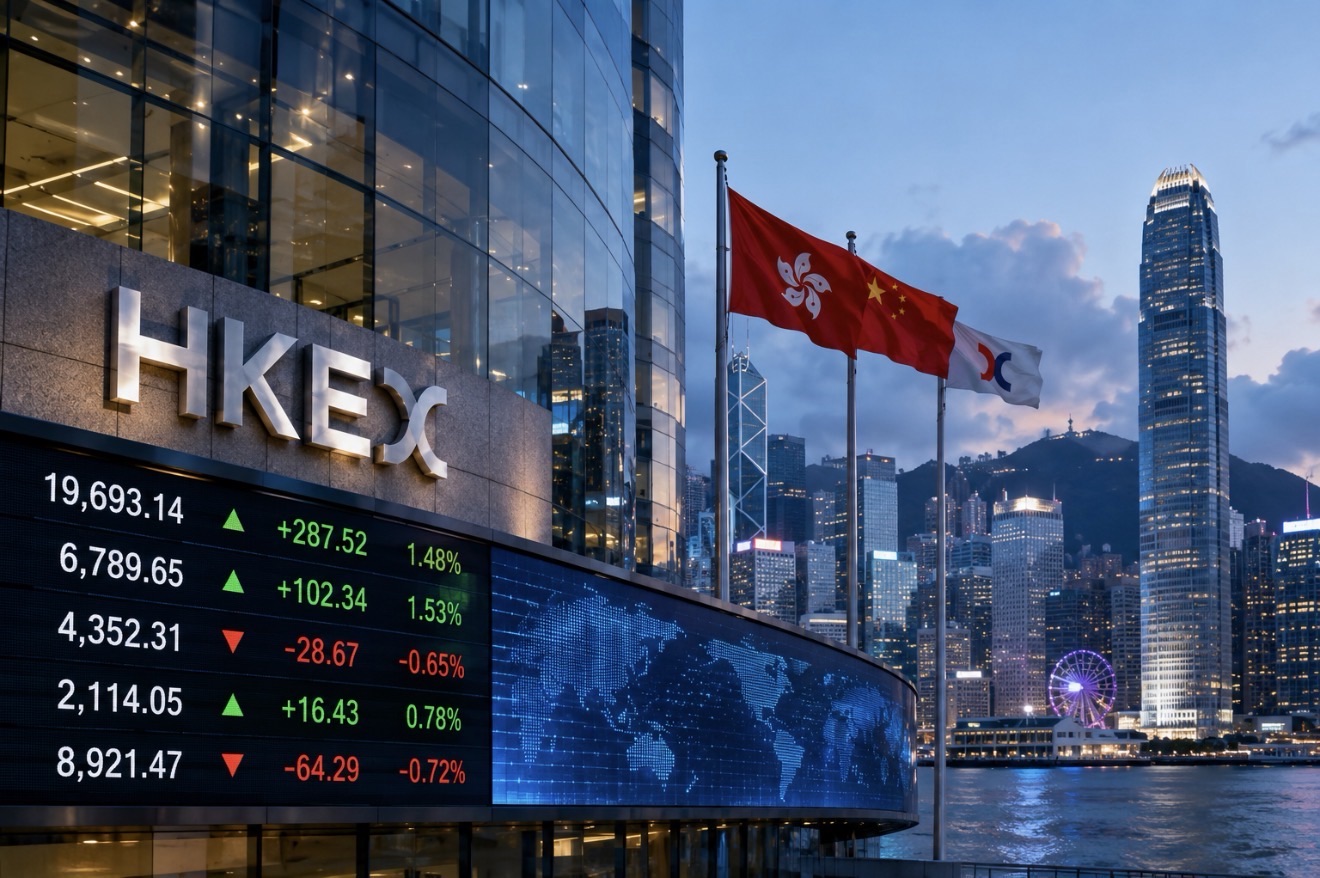
HONG KONG — Hong Kong Exchanges and Clearing (HKEX) confirmed Monday, July 20, that it is reviewing potential changes to trading hours as part of an effort to improve market accessibility and reinforce Hong Kong’s position as a leading international financial center. The review includes proposals to begin equity trading earlier each morning and eliminate the exchange’s long-standing midday lunch break, although officials emphasized that no final decisions have been made and the discussions remain in the early stages. The exchange said its immediate focus is on expanding derivatives trading hours, while possible changes to the cash equity market remain under evaluation. (reuters.com)
The initiative comes as stock exchanges around the world compete more aggressively for trading activity, international listings and institutional investment. As one of Asia’s largest financial centers, Hong Kong serves as the primary financial gateway between mainland China and global investors, making any changes to trading operations significant for banks, investment firms, multinational corporations and pension funds.
According to HKEX, the first proposal under formal review involves extending trading hours for derivatives products. Those discussions are already underway with market participants and regulators. Potential adjustments to the stock market—including opening trading 30 minutes earlier and removing the traditional one-hour lunch break—remain at a preliminary stage and would require additional consultation before any implementation.
If adopted, the changes would represent one of the most significant operational reforms at Hong Kong’s stock exchange in more than a decade. Global financial markets increasingly operate across multiple time zones, with institutional investors trading around the clock. Many competing exchanges—including New York, London and several European markets—already operate continuous trading sessions without lengthy midday interruptions.
Supporters argue that eliminating the lunch break would improve market liquidity, increase trading efficiency and make Hong Kong more attractive to international investors. Longer trading sessions would also provide greater flexibility for global asset managers responding to economic data, geopolitical developments and overnight market movements occurring outside Asia.
The proposal could also strengthen Hong Kong’s competitiveness in attracting new public listings. Companies seeking to raise capital often consider trading volumes, market accessibility and international participation when selecting where to list their shares. More convenient trading hours could improve the exchange’s appeal while supporting higher daily transaction volumes.
Not everyone within the financial industry supports the idea.
Brokerage firms have historically opposed extending trading hours, arguing that longer market sessions increase staffing costs, place additional burdens on smaller firms and require employees to work substantially longer days. Similar concerns surfaced when HKEX shortened its lunch break and adjusted opening hours in 2011, prompting protests from portions of Hong Kong’s brokerage community.
Another important consideration involves Hong Kong’s Stock Connect program with mainland China. Cross-border trading between Hong Kong and the Shanghai and Shenzhen stock exchanges has become a major source of market liquidity. Bloomberg reported that southbound Stock Connect transactions represented approximately 23% of Hong Kong’s daily stock-market turnover during 2025, meaning any change to trading hours would likely require coordination with mainland regulators and exchange operators.
The review comes during a period of renewed momentum for Hong Kong’s capital markets. Initial public offerings have recovered, international investment activity has strengthened and policymakers continue working to reinforce the city’s role as a leading global financial center amid growing competition from Singapore and other regional markets.
For businesses, extended trading hours could improve liquidity, enhance access to capital and provide greater flexibility for institutional investors managing international portfolios. Investment banks, brokerage firms, asset managers and trading firms would likely need to adjust staffing, technology and operational schedules if the proposals are ultimately approved.
HKEX stressed that no timetable has been established and that any changes would only proceed following additional consultation with market participants and regulators. Even so, the review signals the exchange’s willingness to modernize its trading structure as competition among the world’s largest financial markets continues intensifying.
JBizNews Desk | Hong Kong
© JBizNews.com All Rights Reserved. Reproduction or distribution without written permission is prohibited.