
 Vos Iz Neias
New Carlebach Documentary Draws Opposing Responses From Rabbi’s Daughters
SAN FRANCISCO (VINnews) – More than three decades after his death, Rabbi Shlomo Carlebach remains one of the most influential figures in modern Jewish life, with his melodies continuing to fill synagogues, weddings and Jewish gatherings around the world. A new documentary premiering this week has renewed debate over his legacy, prompting his two daughters to publicly take opposing positions on the film.
The Darkest Light, scheduled to premiere at the San Francisco Jewish Film Festival, examines Carlebach’s enduring impact on Jewish prayer, music and outreach while also revisiting allegations of sexual misconduct that surfaced publicly after his death in 1994.
For generations of Jews, Carlebach — widely known as “The Singing Rabbi” — revolutionized contemporary Jewish music. His melodies are among the most recognizable in Orthodox, Conservative, Reform and independent Jewish communities, and his teachings on spirituality, joy and unconditional love continue to inspire followers worldwide.
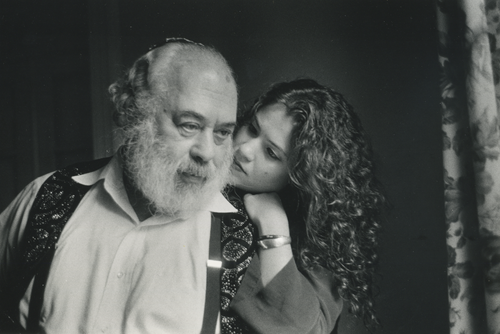
In an essay published by The Times of Israel, Carlebach’s daughter Neshama said she chose not to attend the film’s premiere but supports the documentary and believes it presents both her father’s contributions and the allegations against him.
She wrote that while her father transformed Jewish life through his music and teachings, the film should also encourage communities to listen to survivors and ensure accountability for spiritual leaders.
Her sister, Dari Carlebach, publicly rejected the documentary’s portrayal and emphasized that her sister’s views do not represent the entire family. In statements published by Israel National News (Arutz 7), Dari said she did not support the film’s direction and would remove her participation if she were able.
Dari said she agreed to be interviewed for the project several years ago before understanding the direction the filmmakers intended to take and would remove her participation if she were able.
While expressing compassion for anyone who has experienced abuse, Dari said she cannot accept the documentary’s conclusions because, in her view, the complete truth can no longer be established now that her father is no longer alive.
She said justice requires evidence, due process and the opportunity for all sides to be heard rather than conclusions reached through public opinion or media narratives.
“I believe in my father, and I stand by his goodness,” Dari wrote.
She described her father as a man whose life was devoted to helping others, recalling his visits to hospitals, prisons, military bases and communities in need. She said she watched him give away his time, money and possessions to people in distress and never saw him seek power or personal gain.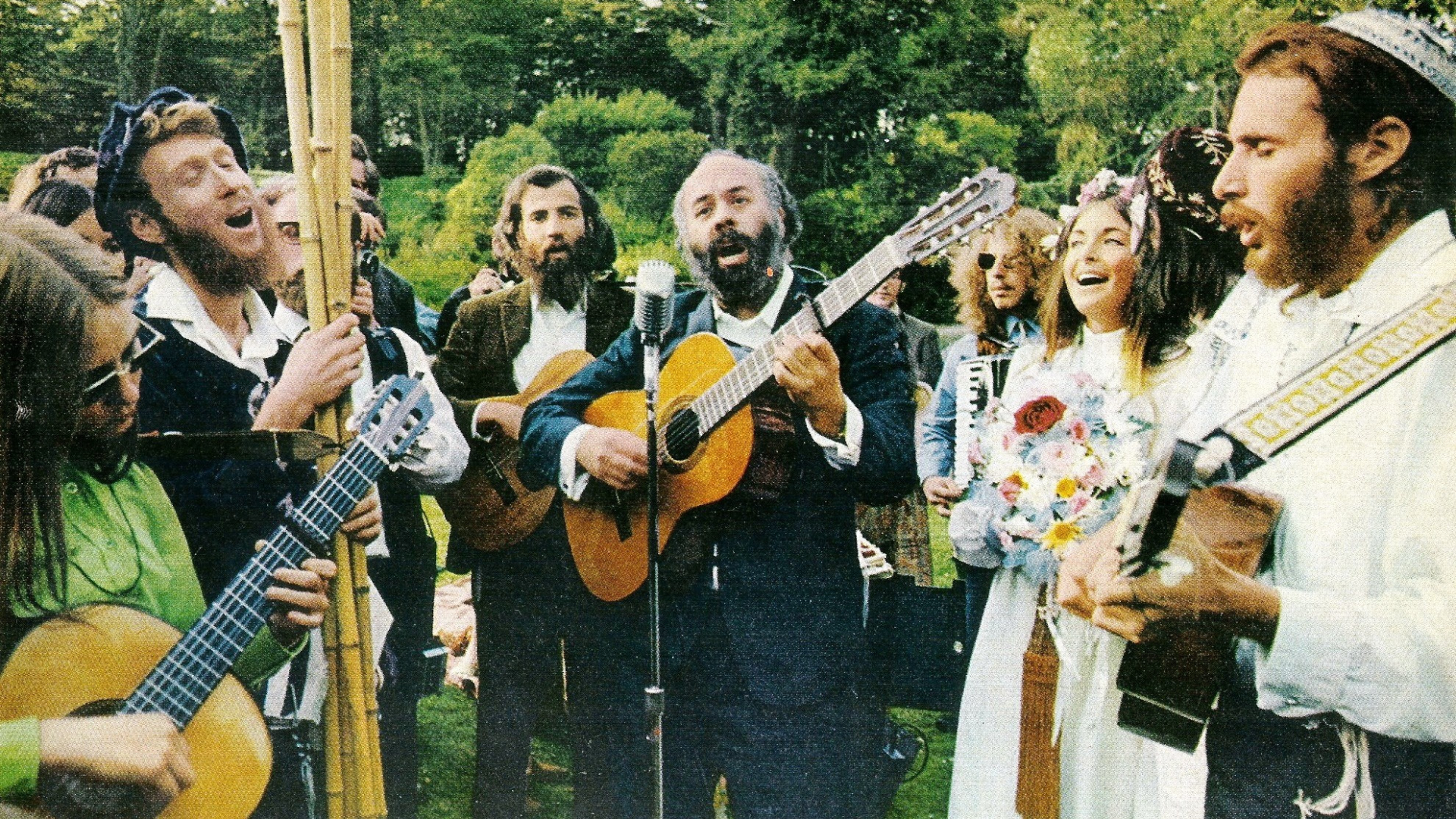
Dari acknowledged that her father, like every person, was imperfect. But she said she believes his life’s work was motivated by a sincere desire to bring love, faith and hope to others, and that his contributions to Jewish life continue to inspire millions.
Director Simon Mendes said he spent years producing the documentary because he believed Carlebach’s story could not be told without addressing both his profound influence on modern Judaism and the allegations made against him. Mendes said he hopes the film encourages honest conversations about leadership, accountability and abuse within religious communities.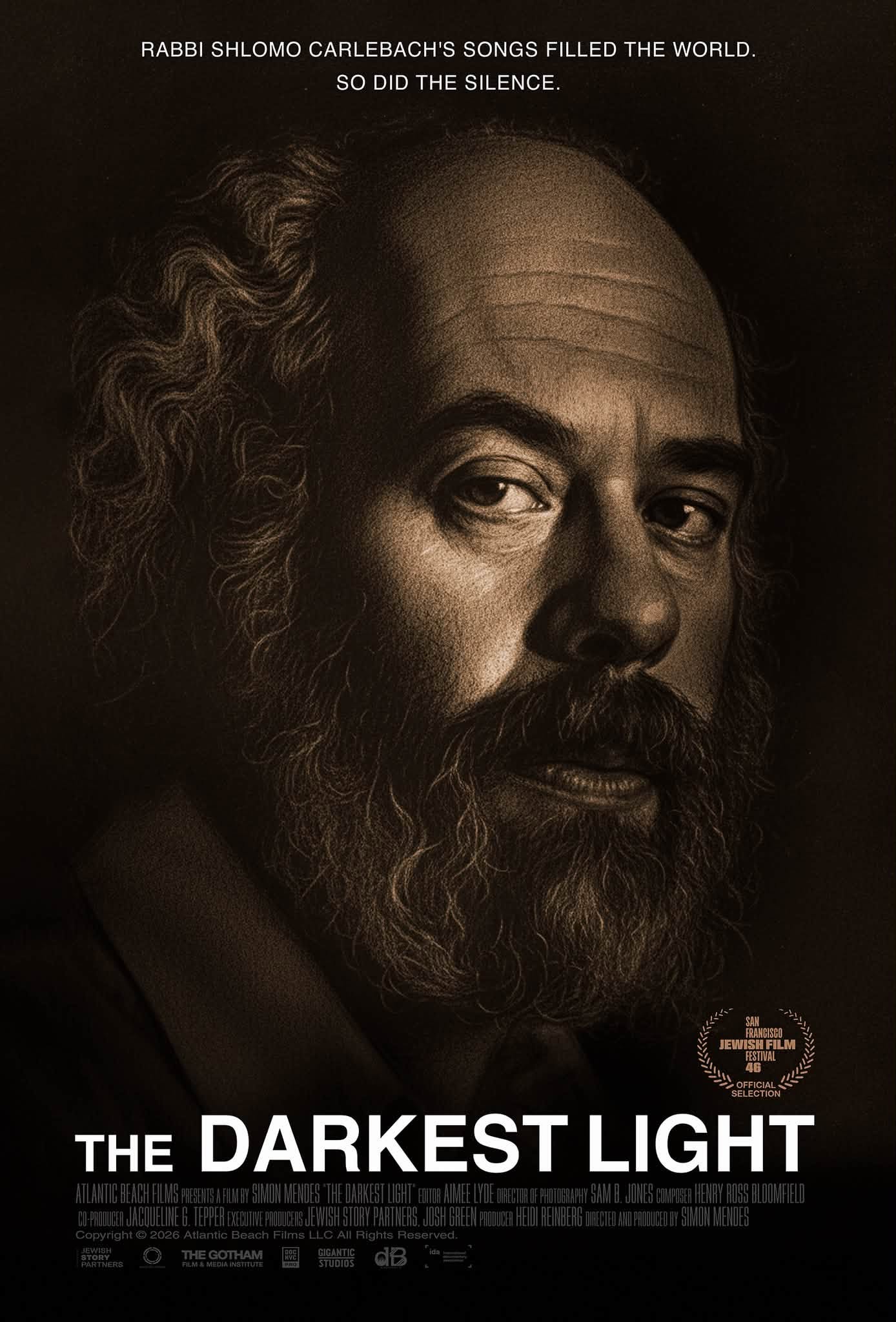
Carlebach died in 1994 at age 69 after decades of building a global following through music, storytelling and outreach. Allegations of sexual misconduct involving the rabbi became public after his death and have remained the subject of debate within parts of the Jewish community.
Supporters of Carlebach have questioned why the allegations emerged publicly only after his death, arguing that he was never given the opportunity to respond to the accusations or defend himself. They also note that no criminal charges were ever filed against him and that the allegations were never tested in court.