
 Vos Iz Neias
UF Study Identifies Genetic Clues That Could Help Detect Childhood Scoliosis Earlier
GAINESVILLE, Fla. (VINnews) — Researchers at the University of Florida say they have identified genetic changes associated with adolescent idiopathic scoliosis, a discovery they hope could one day help doctors identify children at risk before the condition progresses to the point of requiring surgery.
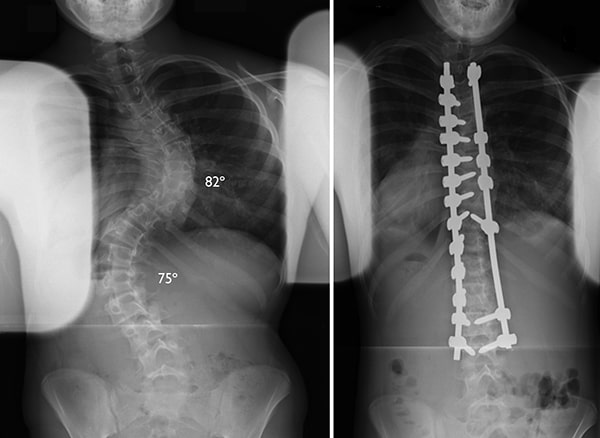
The findings, published in the journal Journal of Clinical Investigation, provide new insight into the biological processes underlying adolescent idiopathic scoliosis (AIS), the most common form of spinal curvature in children. The condition affects up to 3% of children worldwide and typically develops during periods of rapid growth. While it occurs in both boys and girls, severe and progressive cases are significantly more common in girls.
Because the cause of AIS remains unknown, treatment currently focuses on monitoring spinal curvature and slowing its progression after it has already developed, often through bracing or, in severe cases, surgery.
To better understand the disease, the UF research team analyzed gene activity in spinal cartilage and nearby muscle tissue from adolescents with scoliosis and compared it with tissue from individuals without the condition.
The researchers identified distinct patterns of gene activity in both cartilage and muscle, suggesting scoliosis results from multiple biological processes occurring simultaneously rather than a single underlying cause.
Among the differences were changes in genes involved in cartilage formation as well as genes responsible for muscle contraction, muscle strength and normal spinal development.
“This study gives us one of the clearest pictures yet of what is happening at the molecular level in scoliosis patients,” said lead author Dr. Nadja Makki, an assistant professor in the University of Florida College of Medicine’s Department of Physiology and Aging.
“Now, we basically have a list of genes that we can sort, and we can see exactly which of those are behaving differently in spinal tissues affected by scoliosis,” Makki said.
Researchers said the findings could eventually lead to screening tools that identify children at greatest risk of developing severe spinal curvature before visible deformities appear.
“If we could identify these patients prior to them developing that large curvature, then we could put that child in a brace, or we could do scoliosis-specific exercises,” said Dr. Jessica McQuerry, a pediatric orthopedic surgeon and assistant professor at the University of Florida. “We have preventive therapies that do work, but we don’t know who to use them on.”
McQuerry said earlier identification could allow physicians to begin treatment before permanent spinal changes occur, potentially reducing the number of children who ultimately require corrective surgery.
Researchers cautioned that the study does not establish a single cause of scoliosis or provide a diagnostic test. Instead, they said it offers a foundation for future research aimed at developing earlier detection methods and more targeted treatments.
The team plans to continue studying the genes identified in the research to determine how they influence spinal development and whether they could serve as biomarkers for identifying children most likely to develop progressive scoliosis.