
 JBizNews
Used-Car Supply Reaches 47 Days, but Buyers Are Still Waiting for Real Price Relief
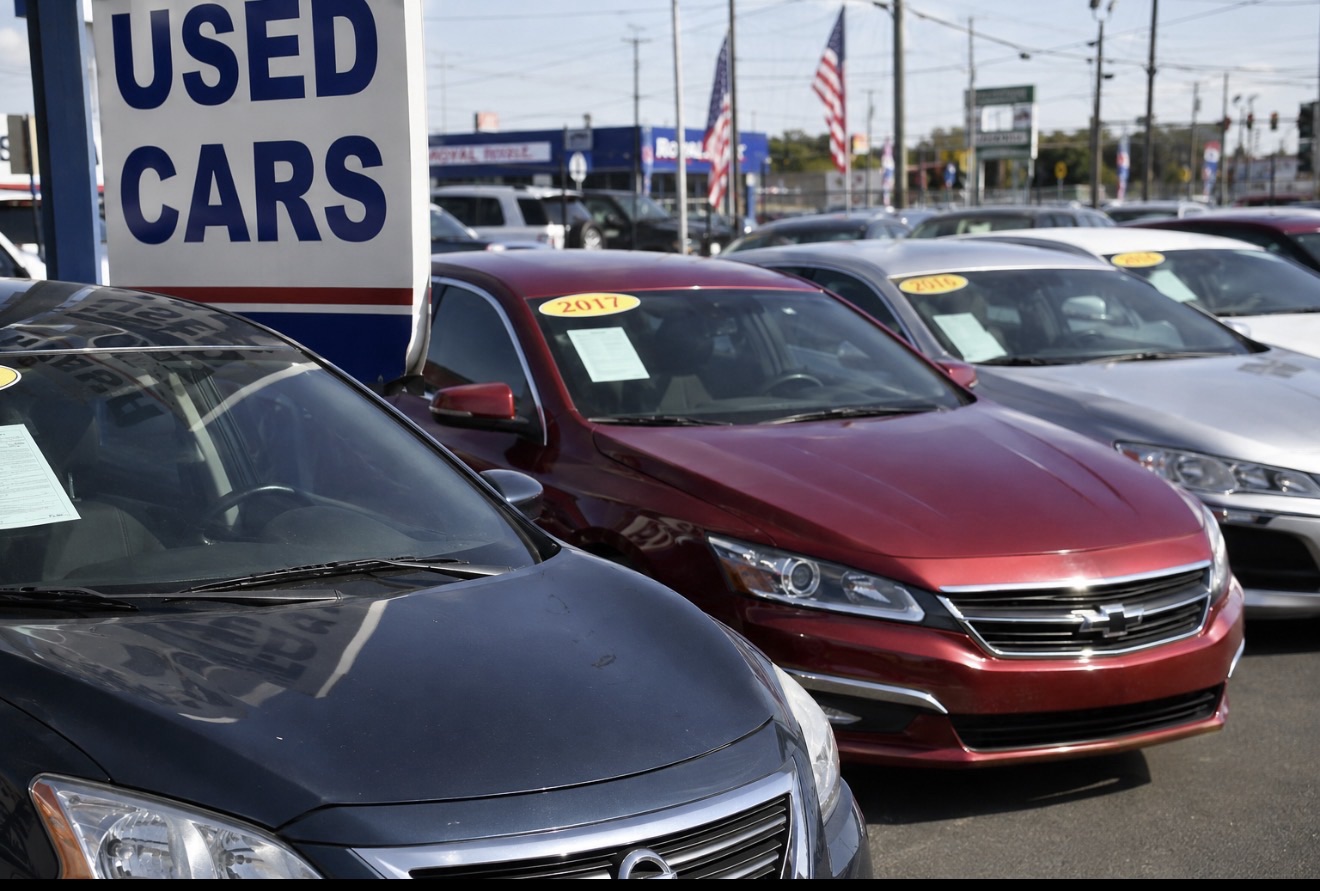
ATLANTA — The U.S. used-vehicle market entered the summer with slightly more breathing room as inventory increased to 47 days’ supply in June, according to a Cox Automotive analysis of vAuto Live Market View data released Friday, July 17. The improvement gives shoppers more vehicles to choose from, but it has not yet delivered a meaningful reduction in retail prices.
Combined franchised and independent dealerships held approximately 2.14 million used vehicles during the month, an increase of 1% from May and 0.2% from a year earlier. Days’ supply rose by two days from May’s revised level of 45 and stood one day above its year-earlier reading.
The increase was driven partly by additional inventory and partly by slower sales. Retail used-vehicle sales declined 1.9% from May and 1.6% from June 2025 as elevated prices and pressure on household budgets caused some consumers to delay purchases.
That combination has begun to shift a small amount of leverage away from sellers. Dealers now have more vehicles sitting on their lots relative to the daily sales pace, making them somewhat more likely to negotiate, offer financing incentives or reduce prices on vehicles that have remained unsold.
But buyers should not mistake the 47-day figure for a return to a deeply supplied market.
Inventory remains restricted by the lingering effects of lower vehicle production during the pandemic, particularly among four- to six-year-old models that normally form the core of the affordable used-car market. The shortage is especially severe for vehicles priced below $15,000, which carried only 33 days’ supply in June — two full weeks below the overall market average.
Those lower-priced vehicles are often the most important to working families, first-time buyers and consumers who cannot qualify for larger auto loans. Their scarcity means the market’s modest overall improvement will not be felt equally across income groups.
The average used-vehicle listing price reached $27,027 in June, rising 6% from a year earlier and edging 0.4% above May’s revised level. It was the first time the average price exceeded $27,000 since the summer of 2023.
Prices have remained elevated partly because strong wholesale auction values from earlier in the year are still moving through dealership inventories. Dealers that paid more to acquire vehicles during the spring cannot immediately reduce retail prices without sacrificing margins.
Wholesale conditions are now beginning to soften. During the first half of July, the Manheim Used Vehicle Value Index declined 0.6% from June on a seasonally adjusted basis, although wholesale values remained 2% above their level from July 2025. Non-adjusted prices fell 1.9% during the first half of the month.
That decline could eventually provide greater relief at dealerships, but changes in wholesale prices generally take time to reach consumers. Dealers must first sell vehicles purchased at earlier, higher auction prices before replacing them with less expensive inventory.
Additional off-lease vehicles are also beginning to enter the wholesale market. Wholesale supply increased to 28 days by July 15, about one and a half days higher than a year earlier, as lease maturities provided dealers with more late-model vehicles to purchase. Inventory growth has recently outpaced the increase in wholesale sales.
The change is particularly important because late-model off-lease vehicles often become certified pre-owned inventory. Certified pre-owned sales totaled an estimated 210,335 vehicles in June, an increase of 5% from a year earlier but a decline of 7.8% from May.
Financing conditions are also showing improvement. Credit availability reached its highest level since December 2015 in June, giving more shoppers access to loans even as borrowing costs and monthly payments remain high. Better credit access could prevent sales from weakening sharply, but it may also keep demand strong enough to limit price declines.
Ford, Chevrolet, Toyota, Honda and Nissan remained the five largest used-vehicle brands by retail sales, collectively accounting for nearly half of all vehicles sold during June.
For American consumers, the market is moving in a better direction, but slowly. A 47-day supply gives buyers more time to compare vehicles and reduces the urgency that characterized the tightest periods of the post-pandemic market. It does not, however, erase the affordability crisis created by elevated prices, expensive financing and a shortage of dependable vehicles in the lowest price ranges.
The clearest relief may emerge later in the year if off-lease supply continues to expand and softer wholesale prices move through dealership inventories. Until then, shoppers are gaining a little more selection and negotiating room — but not yet the broad price cuts many households have been waiting for.
JBizNews Desk | Atlanta
© JBizNews.com All Rights Reserved. Reproduction or distribution without written permission is prohibited