
 JBizNews
Justice Department Demands New Jersey Turn Over Records on 6,600 Noncitizens Added to Voter Rolls
The U.S. Department of Justice has given New Jersey five business days to hand over detailed records on roughly 6,600 noncitizens who were mistakenly registered to vote, opening a federal investigation just hours after the state’s governor disclosed the error.
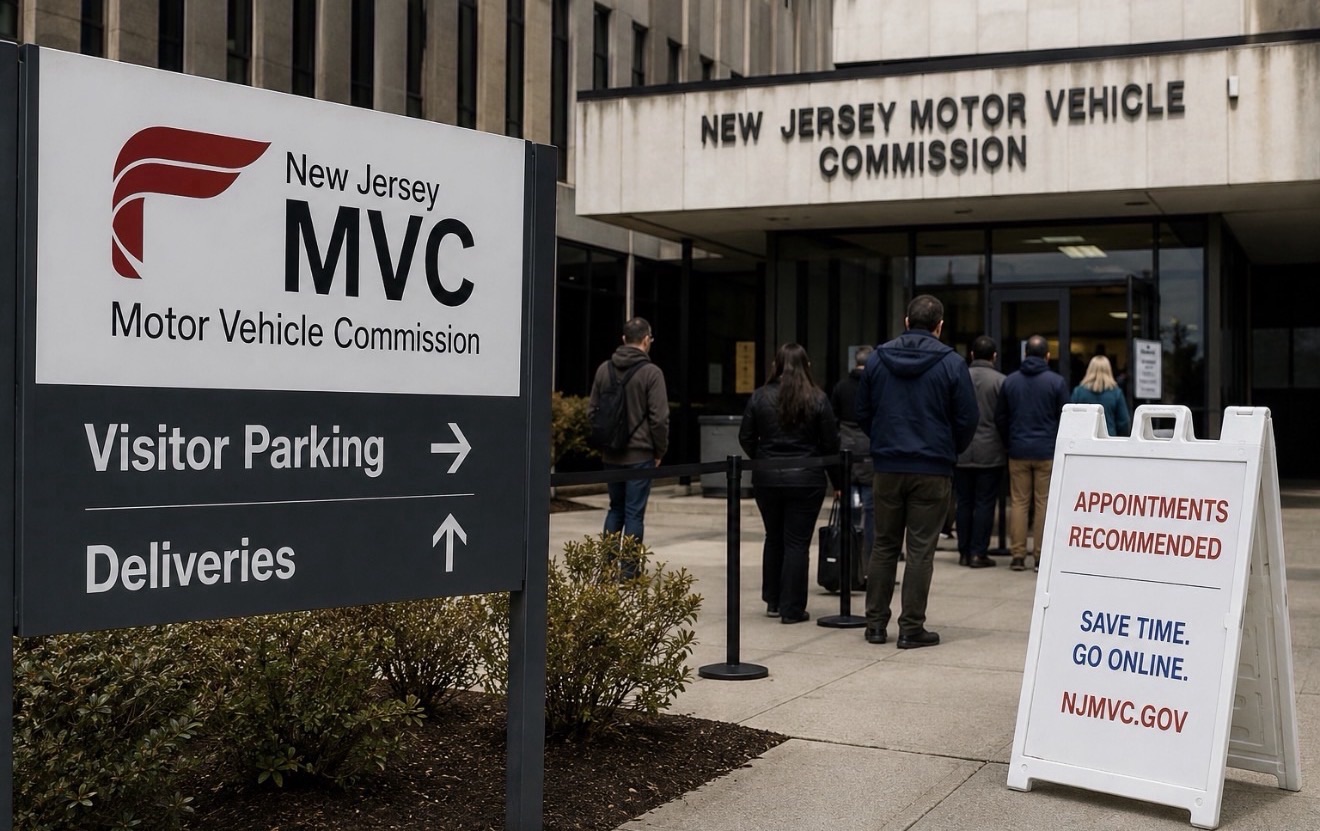
Assistant Attorney General Harmeet K. Dhillon, who leads the department’s Civil Rights Division, sent the demand in a letter to Gov. Mikie Sherrill on Tuesday evening. The letter followed Sherrill’s own announcement earlier that day that a software error in the state’s Motor Vehicle Commission system had placed approximately 6,600 people who identified themselves as noncitizens onto the voter rolls between June 2023 and June 2024. Roughly 400 of those individuals went on to cast ballots.
Dhillon instructed the state to preserve all relevant records and to produce specific data on both groups. For the 6,600 registrants, the department is seeking full names, dates of birth, nationalities, residential addresses, and the dates and locations of their registrations. For the roughly 400 who voted, it wants to know when and where each ballot was cast. “Ensuring that U.S. citizens’ votes are not illegally diluted by noncitizens’ votes is of paramount importance,” Dhillon wrote. The five-business-day clock puts the state’s response due early next week.
Sherrill, a Democrat who took office in January, laid out the origin of the problem in a statement posted to social media on Tuesday. She said a “serious software error” in the Motor Vehicle System’s license and identification application process was to blame. According to the governor, the 6,600 individuals answered “no” when a keypad at motor vehicle offices asked whether they were U.S. citizens, “but through no fault of their own, the system registered them anyway.” She said the registrations occurred well before she took office and pinned responsibility on the prior administration of fellow Democrat Phil Murphy.
“I am appalled by the reckless failures that allowed this to happen and the lack of transparency shown by those in charge at the time,” Sherrill said. “This failure didn’t occur under my watch, but accountability starts now.” She said she has ordered the affected names removed from the rolls, intends to replace the vendor that operated the system, and characterized the roughly 400 improperly cast votes as a tiny fraction of the state’s electorate. Sherrill added that there was “no evidence at this time that any elections were swayed” and said the registrants had been spread across party lines and geography, listing Democrats, Republicans, and unaffiliated voters scattered statewide.
The disclosure and the federal response land in the middle of a broader national fight over voter-roll integrity. President Donald Trump has repeatedly claimed noncitizens are voting in meaningful numbers and last week used a White House address to press Congress to pass the SAVE America Act, which would add proof-of-citizenship and photo identification requirements for voter registration. The White House quickly seized on the New Jersey findings. Spokeswoman Abigail Jackson said the episode “underscores the absolute necessity of the SAVE America Act,” arguing that critics who dismissed the possibility of noncitizen voting had again been proven wrong.
There is also a numerical dispute embedded in the story. Sherrill’s figure of 6,600 sits far below a separate federal tally: the Department of Homeland Security, which reviewed the state’s public voter file, flagged 35,152 names as potential noncitizens. The governor did not reconcile the gap between the two numbers, and she pushed back hard on the administration’s broader messaging, saying Trump had “zero credibility” on the issue and was attempting to “weaponize elections for political gain.”
For New Jersey, the immediate practical question is compliance. The DOJ letter frames its request under federal civil rights authority, and the data being sought — names, birth dates, nationalities, and home addresses of thousands of people — raises its own privacy and legal considerations that the state will have to weigh against the department’s deadline. State officials have not yet said publicly whether they will turn over the records in full, seek to narrow the request, or contest it.
The matter also carries weight beyond New Jersey. With registration systems tied to motor vehicle agencies operating in states across the country under “motor voter” rules, the software failure Sherrill described points to a vulnerability that other states may face. How Trenton responds over the coming days is likely to shape both the federal inquiry and the wider debate over how citizenship is verified at the registration counter.
The state’s response to the Justice Department is due within five business days of the Tuesday letter.
JBizNews Desk | Trenton, N.J.
© JBizNews.com All Rights Reserved. Reproduction or distribution without written permission is prohibited.