 Vos Iz Neias
Thousands Expected in Liska for 152nd Yahrzeit as Restored Ohel, New Facilities Welcome Pilgrims
LISKA, Hungary (VINnews) — Thousands of Hasidic Jews are expected to arrive Tuesday in the northeastern Hungarian town of Liska to mark the 152nd yahrzeit of Rabbi Tzvi Hirsch Friedlander, known as the Ach Pri Tevuah, as newly restored religious landmarks and expanded visitor facilities welcome the annual influx of pilgrims.
Located in Hungary’s Tokaj region about three hours northeast of Budapest, Olaszliszka — known simply as Liska — has become one of Europe’s most significant Jewish pilgrimage destinations. Tens of thousands of visitors travel there each year, particularly around the yahrzeit of the Ach Pri Tevuah, one of the pioneers of Hungarian Hasidism.
Rabbi Tzvi Hirsch Friedlander (1808–1874), known by the title of his seminal work, Ach Pri Tevuah, transformed Liska into one of the foremost centers of Jewish life in 19th-century Hungary. Revered for his Torah scholarship, humility and compassion, he attracted followers from across Hungary and neighboring countries seeking spiritual guidance, blessings and prayers. His teachings continue to be studied throughout the Hasidic world.
The Liska Rebbe was especially known for his devotion to those who sought his help during times of hardship. Hasidic tradition holds that he viewed the burdens of others as his own and devoted himself to helping those seeking relief from illness, financial struggles and personal challenges. One of his best-known sayings — that he would “be able to accomplish more in my socks than in my shoes” — has long been understood by followers to mean that his ability to intercede on behalf of others would continue after his passing.
His influence extended far beyond the Liska Hasidic dynasty and remains especially strong within the Satmar community. Followers of the late Satmar Rebbe, Rabbi Joel Teitelbaum, founder of the Satmar movement, have long recounted that before the blowing of the shofar on every Rosh Hashanah, he would invoke the merit of Rabbi Tzvi Hirsch of Liska and share one of the Liska Rebbe’s Torah teachings before beginning the service. The tradition is widely cited within Satmar circles as an expression of the profound reverence Rabbi Teitelbaum held for the Ach Pri Tevuah.
More than 150 years after his passing, pilgrims from Israel, the United States, Europe and elsewhere continue traveling to Liska throughout the year to pray at the Ach Pri Tevuah’s gravesite. Many believe the site is especially auspicious for prayers concerning health, livelihood, marriage and other personal needs.
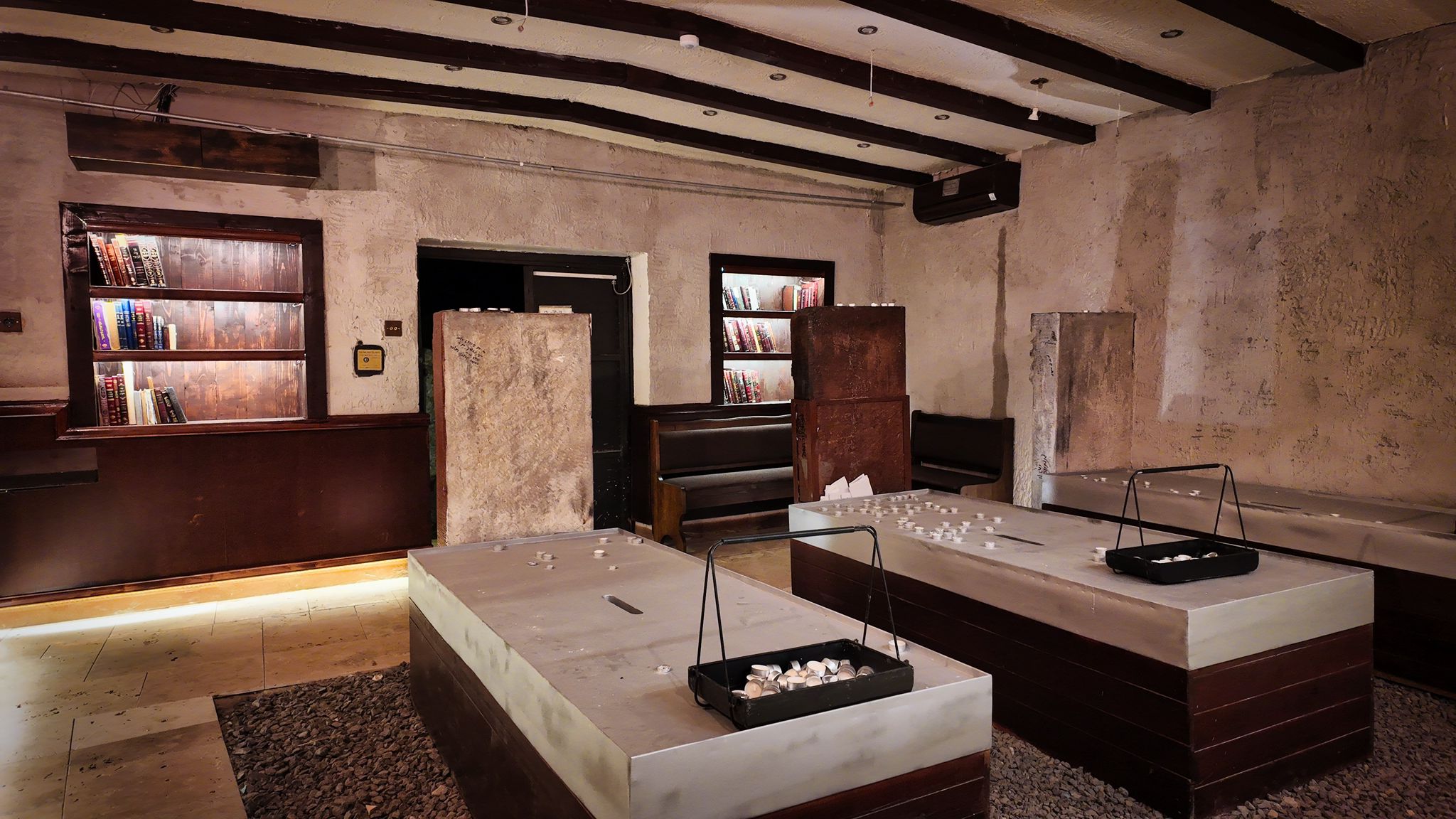
This year’s pilgrimage coincides with the completion of one of the largest preservation efforts ever undertaken at the historic site. Led by Keren Bais Liska under the guidance of the current Liska Rebbe, Rabbi Tzvi Hirsch Friedlander of Brooklyn, the project included the complete structural restoration of the historic ohel housing the graves of the Ach Pri Tevuah, his wife Rebbetzin Kreincha, and his son-in-law and successor, Rabbi Chaim Friedlander, known as the Tal Chaim.
Organizers said the restoration reinforced the historic structure while carefully preserving its original appearance and character.
The restoration was underwritten by Satmar philanthropist Yoel (Joel) Epstein, the Kiryas Yoel-based chief executive of Fabuwood Cabinetry. Organizers said the project enabled critical structural improvements while maintaining the ohel’s historic authenticity.
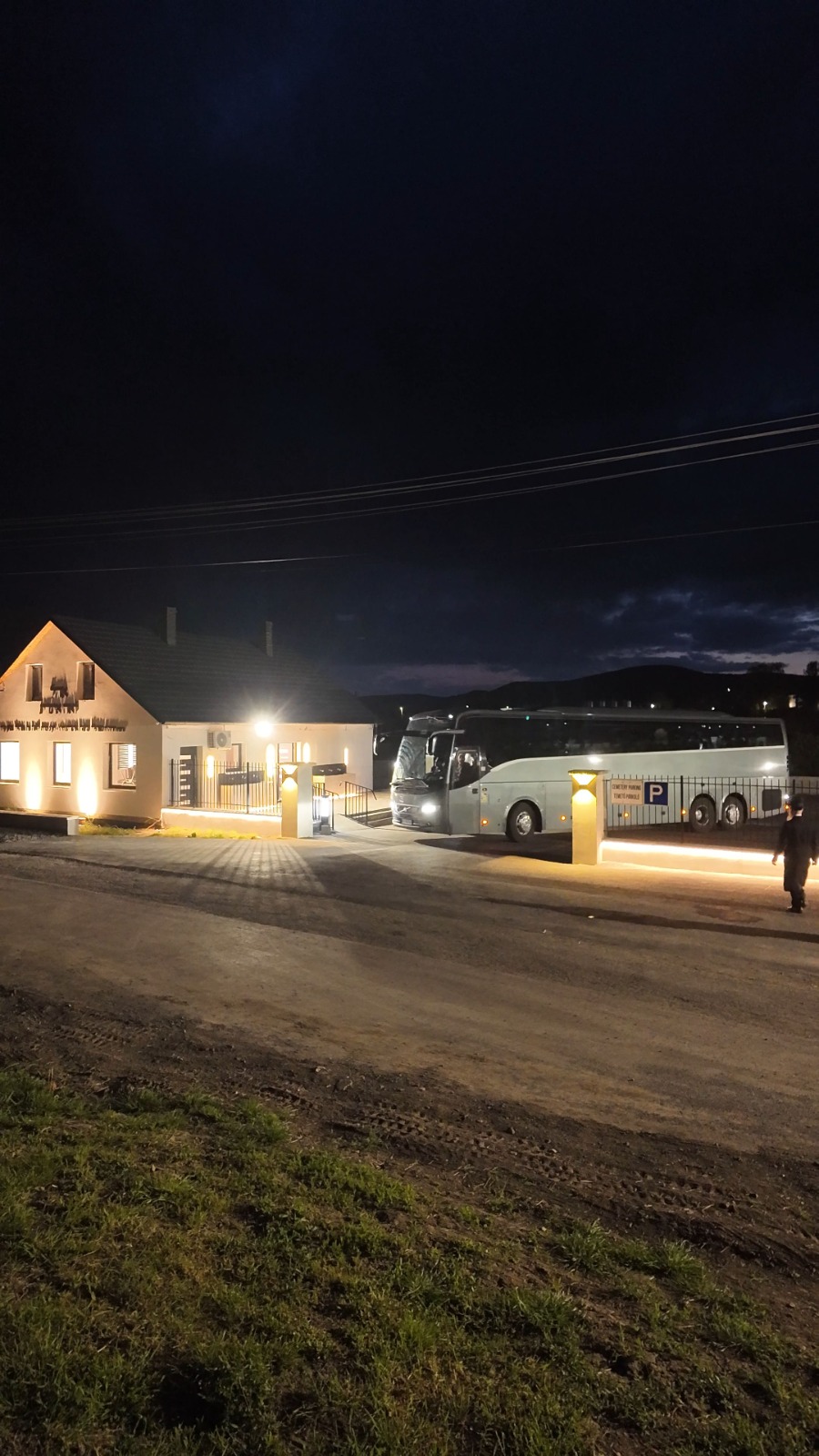
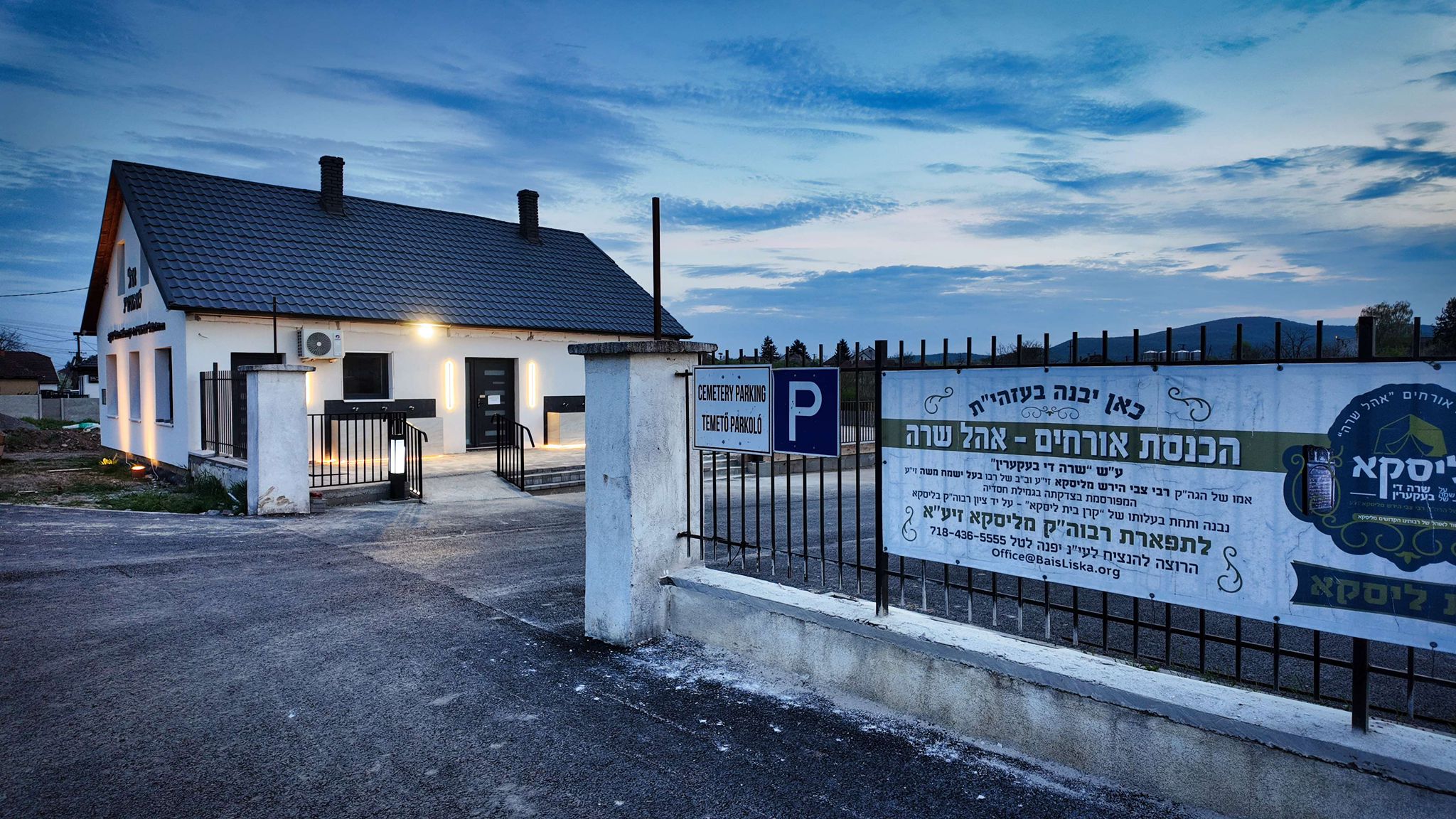
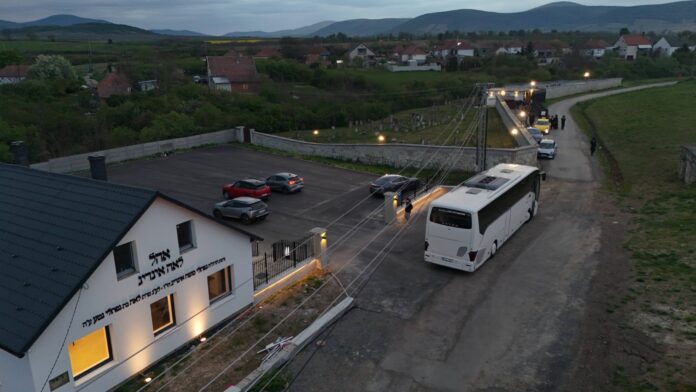
The foundation also completed Ohel Leah, a new hospitality center adjacent to the cemetery dedicated in memory of Leah Indig. Donated by community leader Naftuli Moshe Indig, the facility provides visitors with restrooms, outdoor stations for ritual hand washing, hot and cold beverages and light refreshments throughout the day.
The hospitality center also commemorates Sarah Dee Bekerin, the mother of the Ach Pri Tevuah, who is remembered in Hasidic tradition for her piety and charitable works. A baker by trade, she was known for feeding the poor and was highly regarded by the Yismach Moshe.
A boutique hotel with several guest suites has also opened just steps from the cemetery, providing overnight accommodations for pilgrims.
In recent years, Keren Bais Liska has acquired neighboring properties surrounding the cemetery, eliminating longstanding access issues while creating an expanded parking area equipped with lighting and security cameras to accommodate buses and private vehicles.
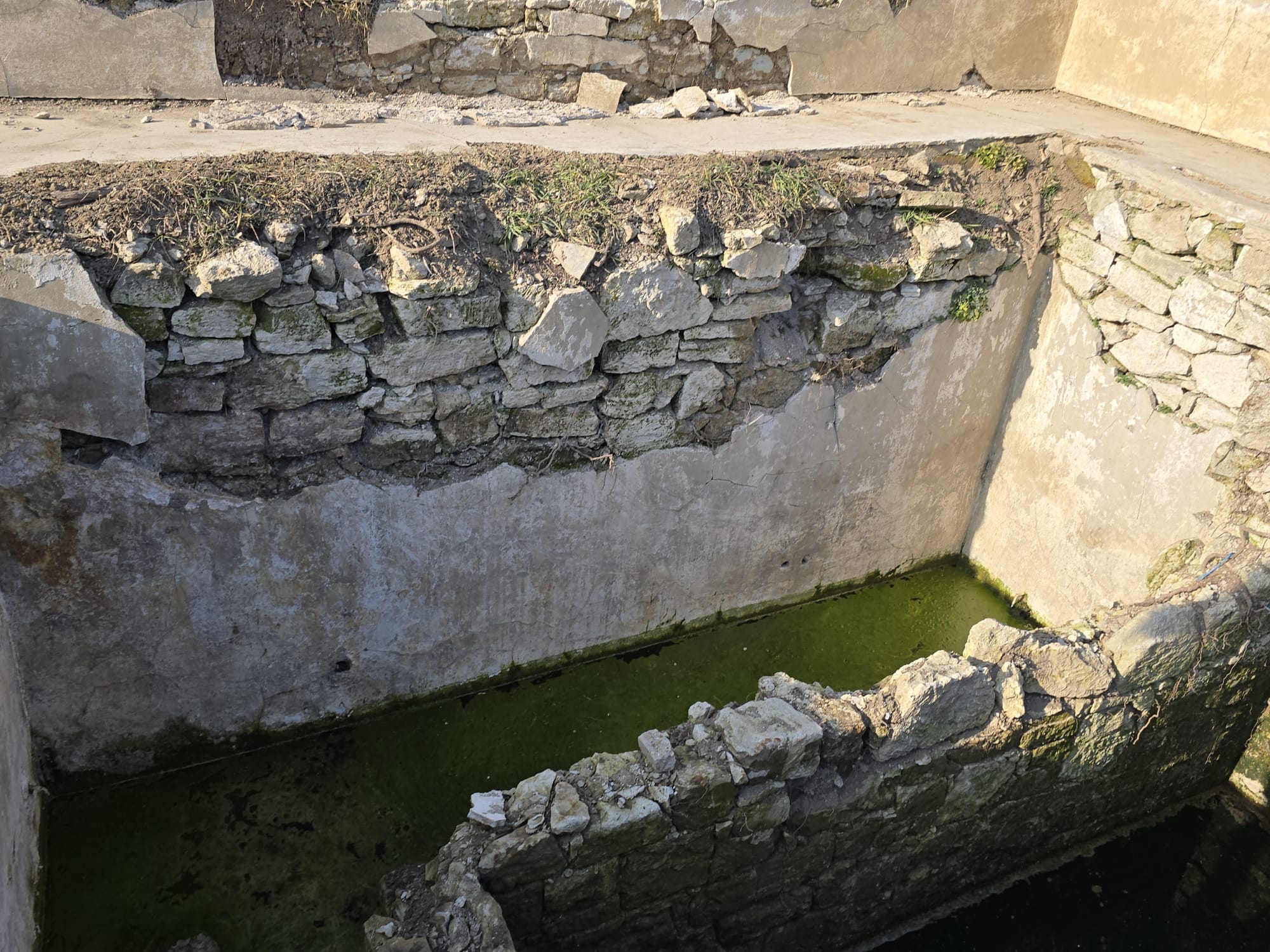
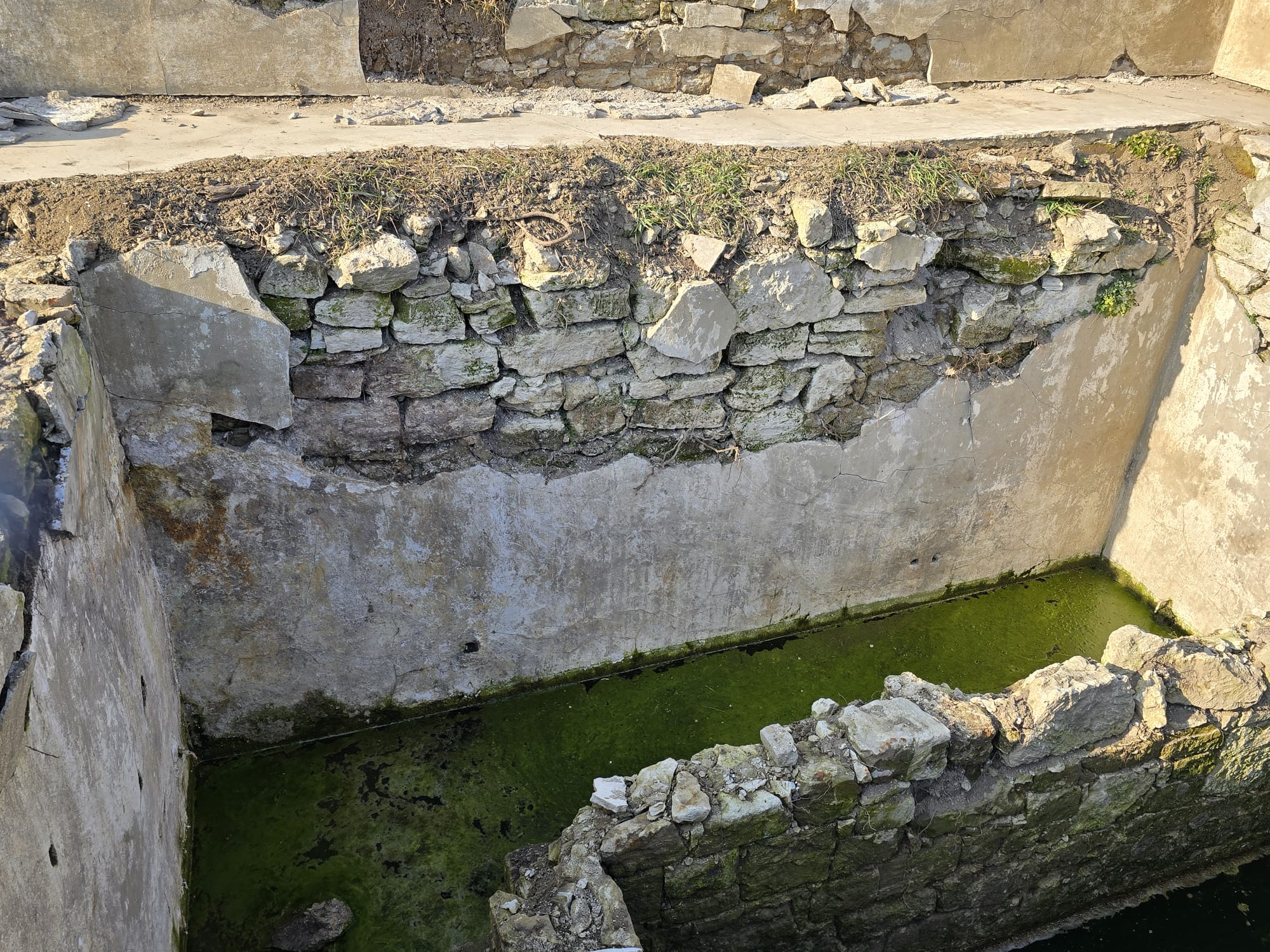
The foundation also announced that work is continuing to restore the historic mikvah used by the Ach Pri Tevuah. The ritual bath was located using modern surveying technology and has been partially excavated, with restoration plans now underway.
The ohel itself is associated with one of the best-known traditions of the Liska dynasty. According to Hasidic accounts, after the death of Rabbi Chaim Friedlander, there was insufficient room inside the ohel for his burial beside his father-in-law. Family members prayed at the Ach Pri Tevuah’s gravesite, asking that space be made. By the following morning, they found that one of the walls had shifted, creating enough room for the burial. Visitors have long pointed to the unusual shape of the ohel as evidence of what they regard as a miracle.
The Liska Hasidic dynasty survived the Holocaust despite the murder of Rabbi Tzvi Hirsch Friedlander, known as the Shaarei Hayosher, at Auschwitz. His son, Rabbi Yoizef Friedlander later reestablished the dynasty in Brooklyn, where it continues under the leadership of the fifth Liska Rebbe while maintaining and preserving its historic roots in Hungary.
Organizers said the restored ohel, the new Ohel Leah hospitality center, expanded parking facilities and future restoration projects are intended to preserve one of Europe’s most significant surviving centers of Hungarian Hasidic heritage while accommodating the growing number of pilgrims expected to visit Liska for generations to come.