
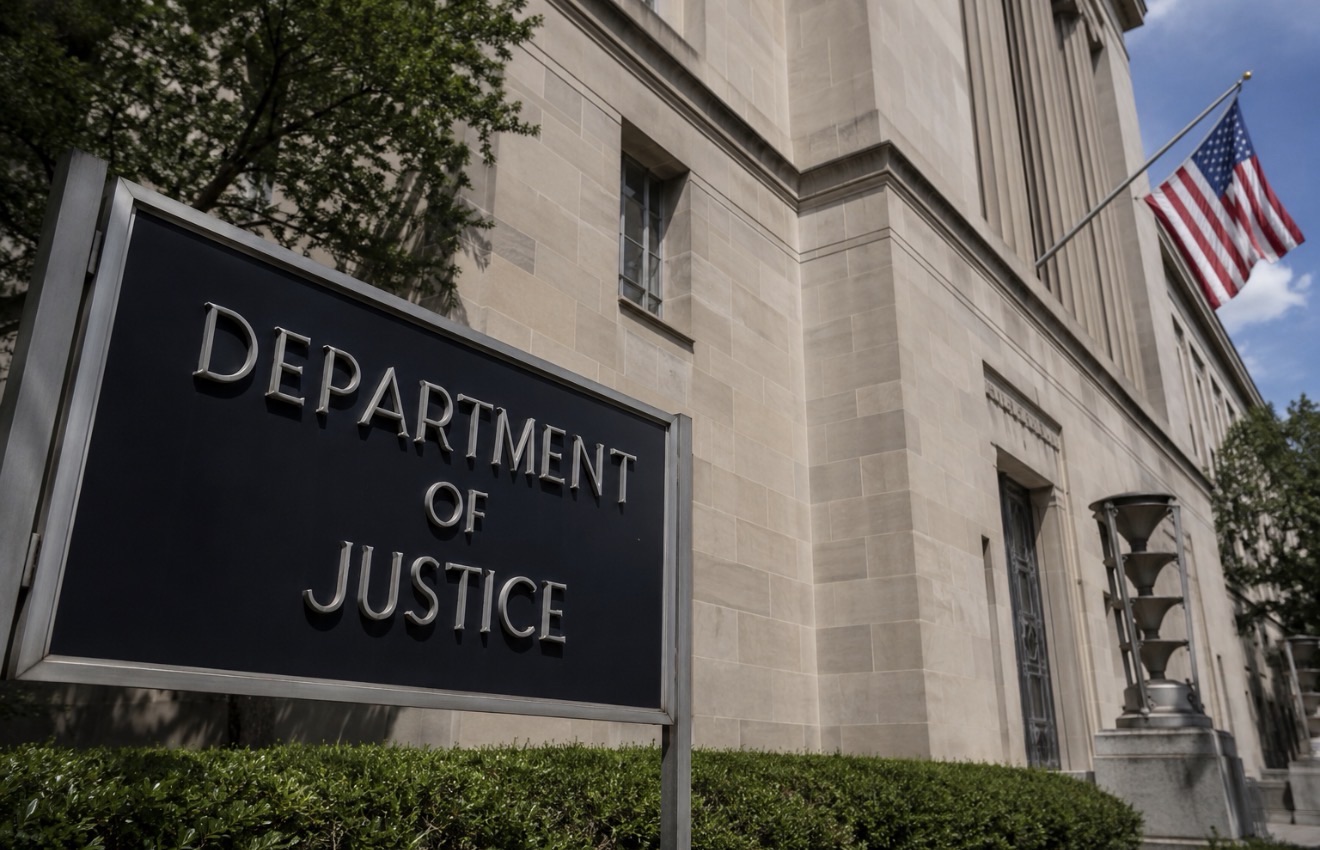

A federal merger investigation that once required companies to produce millions of documents before learning whether regulators had a serious objection may now begin with a narrower question. The Justice Department’s Antitrust Division said Thursday it is restoring a targeted review process intended to resolve some transactions faster without reducing the government’s ability to challenge deals that threaten competition.
Known as a Second Request, the deeper investigation begins after regulators decide that the information included in a company’s initial merger filing is not enough to determine whether the acquisition should proceed. Businesses can then spend months collecting internal emails, pricing records, customer data and strategic documents while financing commitments, integration plans and closing deadlines remain unresolved.
Under the restored approach, investigators can first identify the products, customers or geographic markets raising the greatest concern and ask the companies to prioritize information tied to those issues. A transaction may still face a full document demand, but regulators will have an opportunity to narrow or close the investigation after reviewing the most relevant evidence.
That could materially change the cost of pursuing an acquisition.
Legal teams and technology vendors are often hired before a company knows how broad the government’s concerns will become, and the expense of reviewing millions of records can continue even when the potential competitive problem involves only one small part of the deal. Earlier clarity would allow buyers to decide whether to offer a remedy, renegotiate the transaction or walk away before those costs deepen.
Greater certainty could also influence how mergers are financed. Banks and investors generally commit money for a defined period, while purchase agreements frequently include deadlines and penalties tied to regulatory approval. Delays can weaken a business even when the government eventually allows the transaction to close.
None of that means enforcement is easing. Deals involving concentrated markets, essential infrastructure or government suppliers can still face extensive investigations and court challenges, and the division said companies must fully comply whenever a broader review is necessary.
A model timing agreement released alongside the policy is meant to give both sides a clearer schedule for producing information and completing the investigation. Whether the change works will depend on how consistently prosecutors limit their early requests and how quickly companies provide the records regulators consider most important.
What appears to be a procedural adjustment could therefore have a meaningful effect on corporate dealmaking. If targeted reviews produce faster answers without missing competitive harm, companies may gain a more predictable path through Washington while regulators preserve the authority to stop transactions that leave customers with fewer choices.
JBizNews Desk | Wall Street
© JBizNews.com All Rights Reserved. Reproduction or distribution without written permission is prohibited.