 JBizNews
Fed Expected to Hold Rates Again as Businesses Look for Warsh’s Next Move
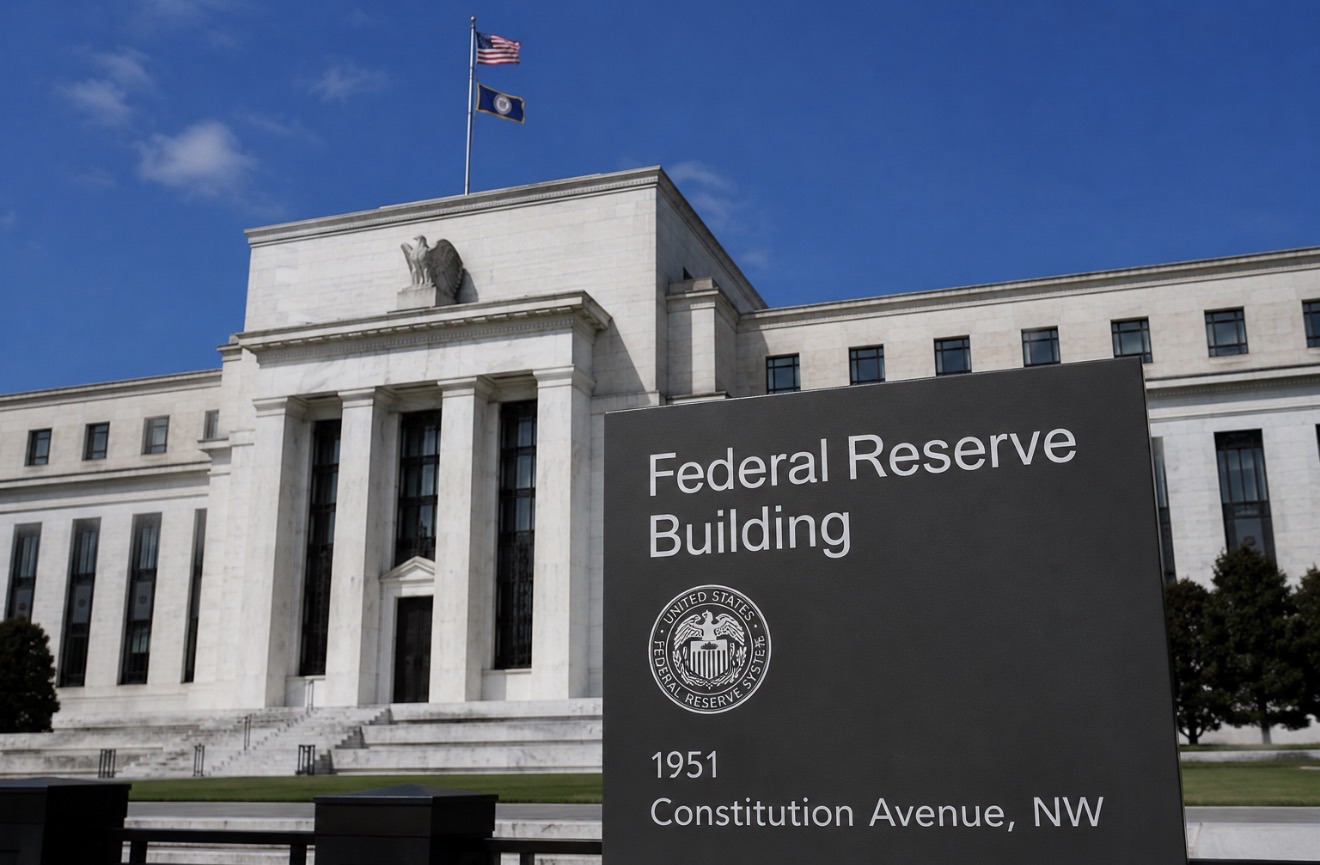
The Federal Reserve is widely expected to leave interest rates unchanged Wednesday, extending a pause that has defined monetary policy throughout 2026. According to FactSet, economists overwhelmingly expect the Federal Open Market Committee to keep its benchmark federal funds rate in a target range of 3.5% to 3.75%, placing even greater attention on what Chair Kevin Warsh says after the decision rather than on the decision itself.
Markets have become accustomed to steady rates this year. What has changed is how the Fed communicates. Warsh, now presiding over his second policy meeting as chairman, has signaled that investors, businesses and consumers should expect far less guidance about where interest rates are headed than they received under previous leadership.
For many business owners, Wednesday may be less about today’s rate decision than tomorrow’s uncertainty.
Warsh’s first meeting as chairman in June offered a preview of that approach. The committee unanimously voted to leave rates unchanged, but the accompanying statement was significantly shorter than those issued in recent years. During his first press conference as chair, Warsh said forward guidance no longer serves policymakers well under current economic conditions and declined to submit his own interest-rate projection to the committee’s closely watched “dot plot.”
That shift has left businesses with fewer clues when planning hiring, inventory purchases, capital investments and financing decisions.
Behind the unanimous June vote, policymakers remain divided over where inflation is heading. Minutes from the meeting showed officials weighing sharply different scenarios. Some believe inflation will continue easing enough to justify future rate cuts, while others warn that persistent price pressures could require additional increases before the end of the year.
Warsh has publicly remained firm on one point. Speaking at the European Central Bank’s forum in Sintra, Portugal, on July 1, he reiterated that inflation remains too high and rejected any suggestion of raising the Federal Reserve’s longstanding 2% inflation target.
Energy prices have complicated that outlook.
Oil briefly climbed above $100 a barrel last week after escalating tensions involving Iran raised concerns over global supplies, reinforcing fears that inflation could remain stubborn. Prices then retreated after the United States and Iran paused military hostilities over the weekend, easing immediate concerns about disruptions to energy markets.
That rapid reversal has left economists debating whether the Fed should respond at all.
Bank of America economists argued the temporary surge made July a much closer decision than markets initially believed, warning that failing to act could raise questions about the Fed’s commitment to fighting inflation. At the same time, they noted that raising rates in response to a temporary supply shock would conflict with Warsh’s own emphasis on looking beyond short-term disruptions. JPMorgan economist Michael Feroli has said a rate increase would likely require Warsh to persuade several colleagues who remain hesitant to tighten policy further.
Other economists continue to expect patience. Gregory Daco, chief economist at EY-Parthenon, wrote that a July increase remains unlikely and believes September could become the first meaningful opportunity for policymakers to determine whether recent progress on inflation proves sustainable.
The real message may come during the press conference rather than in the policy statement itself.
For households and small businesses, another pause means borrowing costs remain elevated. Businesses financing equipment, inventory or expansion projects will continue paying higher interest expenses, while consumers are unlikely to see meaningful relief on mortgages, auto loans or variable-rate credit products. Savers, however, continue benefiting from relatively attractive yields on savings accounts and other short-term investments.
The larger challenge for business leaders is planning ahead. Earlier this year, many economists expected the Fed to begin cutting rates during 2026. Instead, persistent inflation and volatile energy prices have shifted expectations toward the possibility of additional increases before year-end.
Wednesday’s decision may therefore answer only one question—whether rates stay where they are today. The bigger question for Wall Street, Main Street and financial markets alike is whether Kevin Warsh offers even the slightest indication of what comes next.
JBizNews Desk | New York
© JBizNews.com All Rights Reserved. Reproduction or distribution without written permission is prohibited