
 JBizNews
The Fed Stopped Telling Markets What Comes Next. Somebody Has to Pay for That.
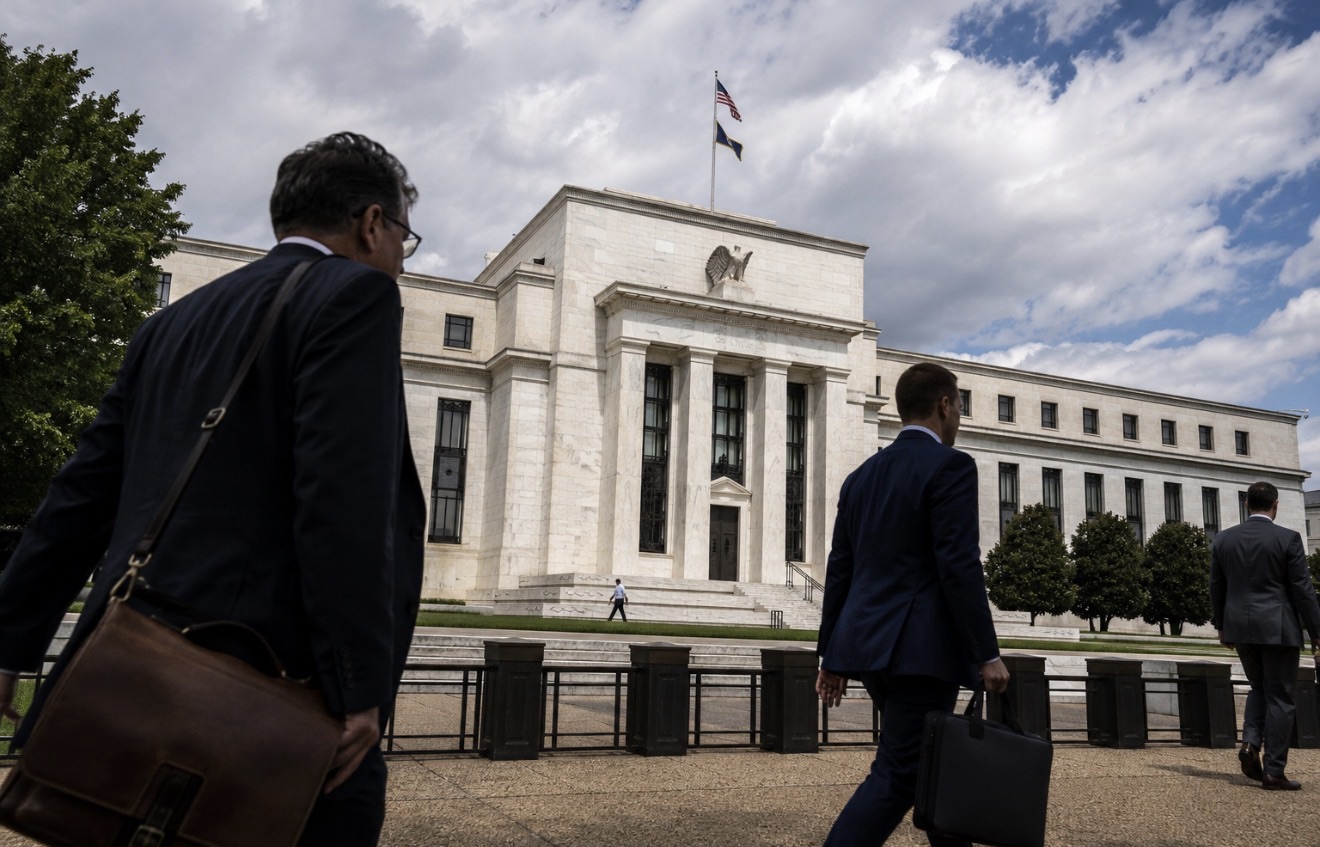
The Federal Reserve is widely expected to leave interest rates unchanged Wednesday. The bigger development may not be the decision itself, but what investors, businesses and consumers no longer receive: meaningful guidance about what comes next.
Under Chair Kevin Warsh, the Fed has largely stepped away from signaling its future policy path, leaving financial markets to navigate one of the most uncertain inflation environments in years at the very moment war-driven energy prices are complicating the economic outlook.
The result is a market that knows today’s decision but has far less confidence about tomorrow’s.
Warsh’s first meeting as chairman in June marked a clear departure from recent Federal Reserve practice. The policy statement was dramatically shorter than those issued under previous leadership, the Fed largely abandoned forward guidance, and Warsh declined to submit his own interest-rate projection to the committee’s closely watched “dot plot.”
For decades, those signals helped businesses prepare long before the Fed actually changed interest rates.
Forward guidance was never charity. It was a mechanism.
When the Federal Reserve signaled where policy was likely headed, financial markets gradually adjusted borrowing costs before the official decision arrived. Businesses financing inventory, developers planning construction projects and families shopping for mortgages all benefited from knowing the likely direction of travel.
Remove that signal and markets still adjust.
They simply adjust later, faster and with far greater uncertainty.
That uncertainty has become more expensive because the policymakers themselves remain divided.
Minutes from the June meeting showed Federal Reserve officials weighing two very different futures. Some believed inflation would continue easing enough to justify lower interest rates. Others concluded persistent price pressures could require additional increases before year-end.
The committee ultimately voted unanimously to leave rates unchanged.
That unanimity masked meaningful disagreement.
Warsh later described the internal debate as a “family fight,” highlighting that consensus on the final vote did not necessarily reflect agreement about where policy should go next.
Without the chairman’s own projection, investors lose one of the Federal Reserve’s most important traditional signals just as markets are searching for direction.
The uncertainty became even more expensive once oil prices entered the equation.
Crude oil climbed above $100 a barrel last week as fighting between the United States and Iran intensified, reinforcing concerns that inflation could remain stubbornly high. Prices then fell sharply after both governments paused military operations over the weekend.
That rapid reversal left markets trying to answer two questions simultaneously.
Where will oil prices settle?
And how will a Federal Reserve chairman who has deliberately revealed very little interpret those movements?
Even professional economists disagree.
Bank of America concluded the temporary oil surge made July’s meeting a genuine close call, arguing that failing to raise rates could undermine the Fed’s inflation credibility while increasing rates might conflict with Warsh’s own preference for looking beyond temporary supply shocks. The bank continues to forecast three quarter-point rate increases before year-end.
JPMorgan economist Michael Feroli reached a different conclusion, saying any July increase would require Warsh to persuade colleagues who remain reluctant to tighten policy further.
Same information.
Different conclusions.
That gap illustrates the cost of uncertainty more clearly than any market chart.
Warsh has nevertheless remained consistent about one objective.
Speaking at the European Central Bank’s forum in Sintra, Portugal, on July 1, he reaffirmed that inflation remains too high, rejected any suggestion of raising the Fed’s longstanding 2% inflation target and pledged to restore price stability.
What he has not explained is how quickly—or under what circumstances—the Federal Reserve intends to get there.
That leaves businesses facing a planning problem rather than simply an interest-rate problem.
For companies, the smartest strategy is no longer predicting one outcome. It is preparing for several.
Businesses carrying floating-rate debt should consider the possibility that borrowing costs remain elevated—or even rise again—before eventually falling. Companies weighing refinancing decisions can no longer rely on the Federal Reserve signaling an optimal window months in advance.
For manufacturers, retailers and transportation companies, energy prices now influence borrowing costs almost as much as fuel bills themselves. The same headlines emerging from the Middle East increasingly shape both inflation expectations and interest-rate expectations.
Gregory Daco, chief economist at EY-Parthenon, believes a July rate increase remains unlikely and views September as the first meaningful opportunity to judge whether inflation is resuming its downward trend.
Under previous Federal Reserve leadership, markets would likely spend those weeks receiving increasingly clear signals about policymakers’ intentions.
This time, they will spend them trying to interpret silence.
For businesses, guessing is expensive. Hiring plans, investment decisions and financing strategies become harder to manage when the country’s most influential economic institution deliberately offers fewer clues about where policy is headed.
Markets can handle bad news. They struggle far more with uncertainty.
JBizNews Desk | New York
© JBizNews.com All Rights Reserved. Reproduction or distribution without written permission is prohibited