
 JBizNews
JetBlue Revamps Fare Structure as Airlines Push Travelers to Pay for More Choice
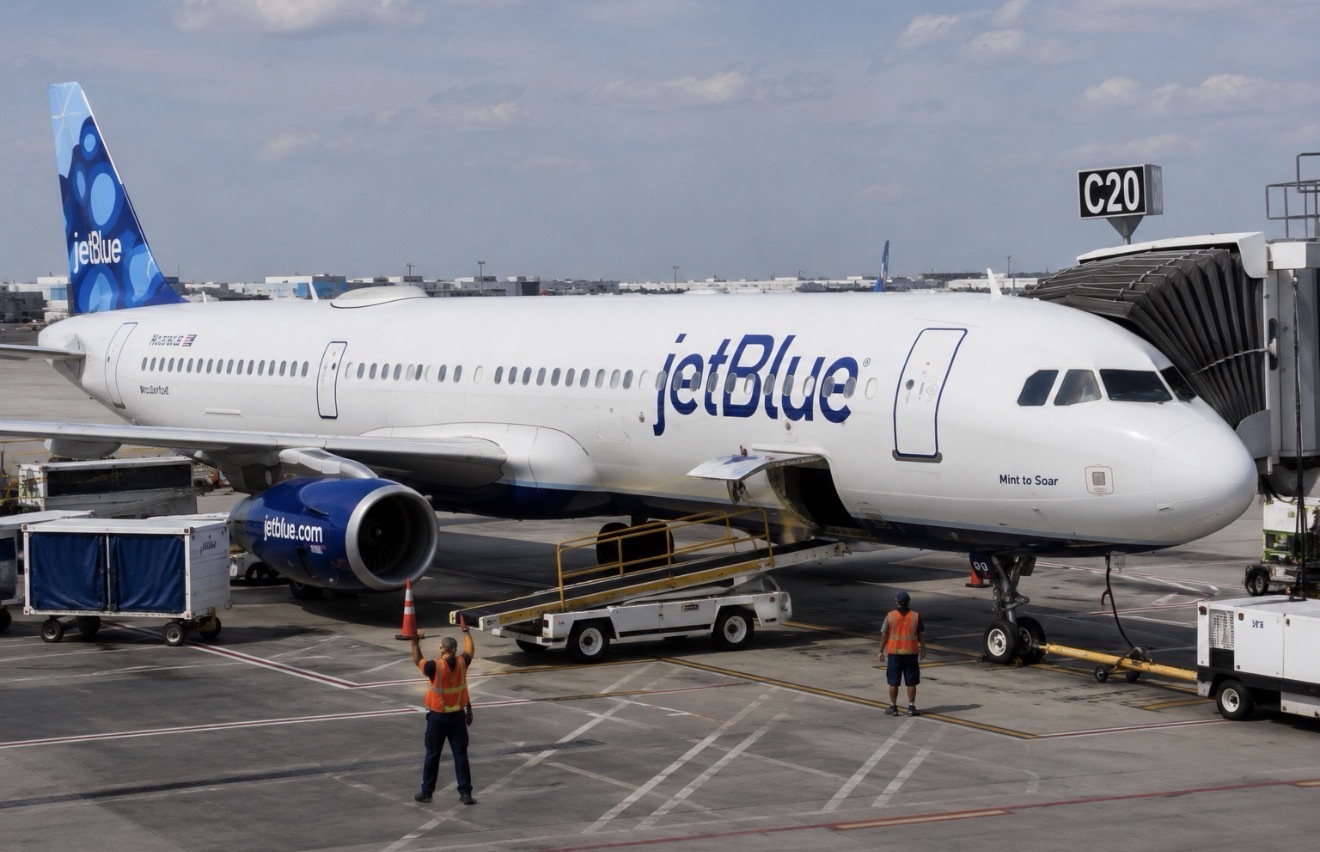
JetBlue Airways unveiled a sweeping overhaul of its fare structure on Monday, introducing new pricing options that allow customers to customize benefits such as seat selection, baggage allowances, flexibility and boarding privileges. The redesign reflects a broader airline industry strategy of generating more revenue through optional services while giving passengers greater control over how they purchase air travel.
The changes will replace JetBlue’s existing fare categories with a more flexible menu of options that allows travelers to select only the features they want. Company executives said the new structure is designed to simplify purchasing decisions while better matching ticket prices to individual travel preferences.
For airlines, the announcement is about far more than ticket pricing.
Ancillary revenue—including baggage fees, premium seating, early boarding, flight changes and other optional services—has become one of the fastest-growing sources of profit for the aviation industry. As fuel prices, labor costs and aircraft expenses continue to rise, carriers are relying less on base fares and more on personalized pricing to strengthen margins.
JetBlue’s move reflects an industry-wide shift.
Major U.S. airlines have spent the past decade expanding fare categories that encourage customers to pay more for flexibility and convenience. Rather than offering a single ticket that includes multiple services, airlines increasingly separate those benefits, allowing travelers to build their own travel experience while creating additional revenue opportunities.
For consumers, the new pricing model presents both opportunities and challenges.
Passengers who travel light and rarely change reservations may benefit from lower entry-level fares by declining services they do not need. Business travelers and families, however, may ultimately pay more once premium seating, checked baggage and schedule flexibility are added.
The changes also highlight growing competition among airlines.
Low-cost carriers continue competing aggressively on advertised ticket prices, while larger airlines seek to differentiate themselves through premium products and customer loyalty programs. By expanding fare choices, JetBlue hopes to appeal to both price-sensitive travelers and customers willing to spend more for added convenience.
The strategy is also supported by advances in digital booking technology.
Modern reservation systems allow airlines to analyze purchasing behavior and tailor fare options more effectively than traditional pricing models. That capability has become increasingly valuable as carriers attempt to maximize revenue on every available seat.
For investors, ancillary revenue has become an important measure of airline profitability.
Unlike base airfare, which is heavily influenced by competitive pricing and economic conditions, optional services often produce higher profit margins while providing airlines with more stable sources of revenue.
JetBlue’s announcement comes as the airline industry continues balancing strong travel demand against rising operating expenses, including labor agreements, aircraft delivery delays and fluctuating fuel prices.
The carrier is also working to improve profitability following several years of strategic restructuring and increased competitive pressure in key markets.
For the broader business community, Monday’s announcement illustrates how companies across the travel industry are increasingly moving toward personalized pricing models that allow customers to tailor products while creating new opportunities for recurring revenue.
Whether travelers view the changes as greater flexibility or simply another way to increase travel costs will likely determine how quickly other airlines expand similar pricing strategies.
JBizNews Desk | New York
© JBizNews.com All Rights Reserved. Reproduction or distribution without written permission is prohibited.