
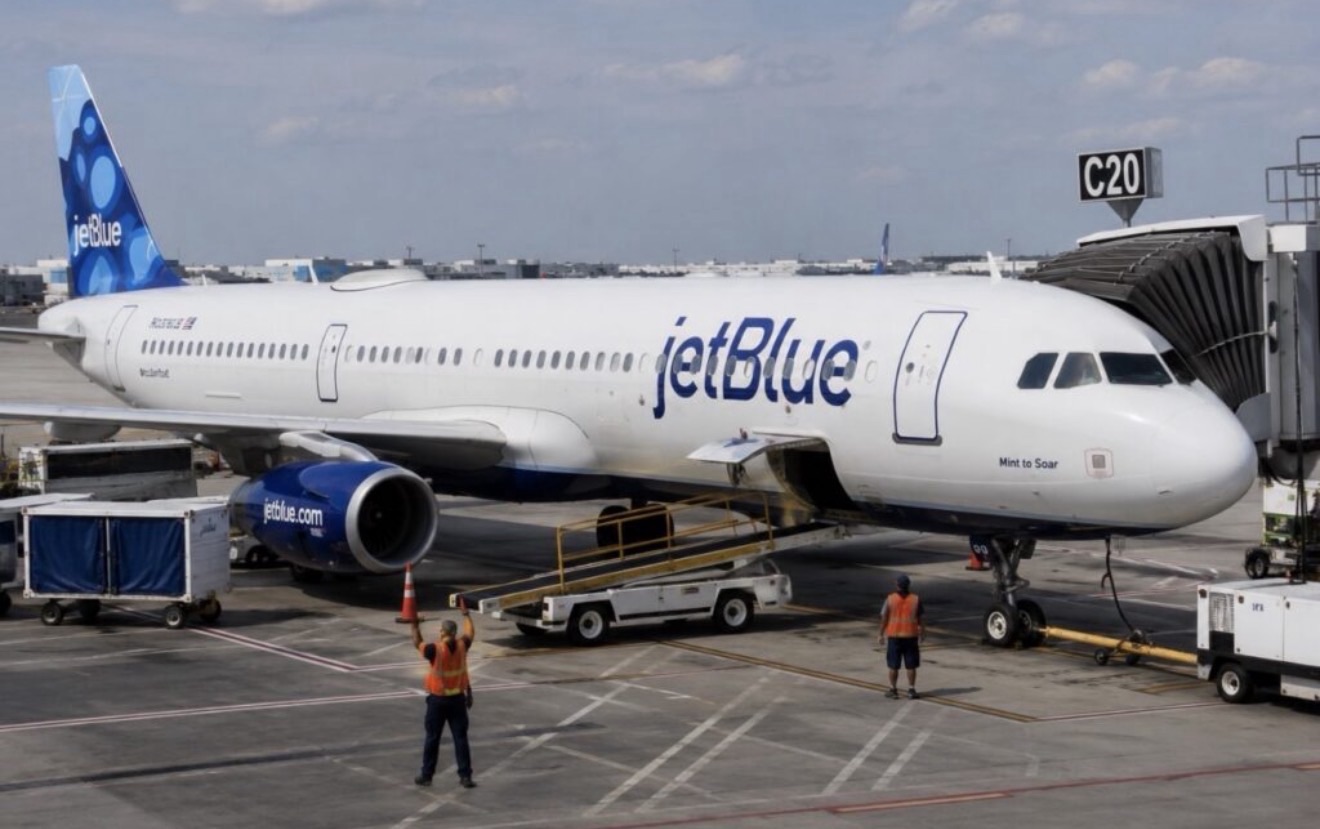

JetBlue is charging more and filling enough seats to soften the impact of a sharp rise in fuel costs, giving the airline a path back toward stability even as the price of operating each flight remains far above last year’s level.
Second-quarter revenue reached $2.7 billion, up 14.5% from a year earlier, as stronger demand and higher ticket revenue lifted the amount JetBlue earned from each seat it made available. Revenue per available seat mile rose 10.9%, showing that customers continued paying more to travel despite pressure on household budgets.
Fuel remained the largest obstacle.
JetBlue paid an average of $4.23 per gallon during the quarter, 76% more than a year earlier. That increase absorbed much of the benefit from higher fares before it could reach the bottom line, leaving the airline with a difficult balance between charging enough to protect revenue and pushing prices beyond what travelers are willing to pay.
Demand has so far held up well enough for management to restore its full-year outlook. JetBlue now expects revenue per available seat mile to increase between 10% and 12.5% in 2026, a sign that the company believes pricing will remain firm through the second half of the year.
That confidence comes with limits.
Airlines can raise fares when seats are scarce and travelers remain willing to fly, but the strategy becomes harder when fuel stays high for an extended period. Leisure customers can delay trips, trade down to cheaper routes or shorten vacations, while business travelers may become more selective as companies tighten travel budgets.
JetBlue’s exposure is especially sensitive because its network leans heavily on major East Coast markets, Florida, the Caribbean and other leisure destinations where customers compare prices closely. Stronger demand can support fare increases during peak travel periods, but those gains are less reliable once summer traffic slows.
Restoring guidance does not mean the airline expects a full recovery this year. JetBlue is still forecasting an adjusted operating loss for 2026, even after the stronger quarter, showing how much of the revenue improvement is being consumed by fuel and other operating costs.
A longer-term target now calls for earnings of at least $1 per share in 2028. Reaching that goal will depend on more than ticket prices. JetBlue must improve aircraft utilization, control labor and maintenance expenses and keep customers returning without relying too heavily on discounts.
For travelers, the quarter offers a clear warning. Airlines are passing at least part of the fuel increase through fares, and the ability to find cheaper tickets will depend increasingly on when and where people fly.
What helped JetBlue this quarter was not a return to inexpensive operations. It was the willingness of passengers to pay more before higher fuel costs overwhelmed the business.
JBizNews Desk | New York
© JBizNews.com All Rights Reserved. Reproduction or distribution without written permission is prohibited.