
 JBizNews
Immigrant Business Coalition Authorizes Legal Action Against New York City’s Municipal Grocery Store Plan
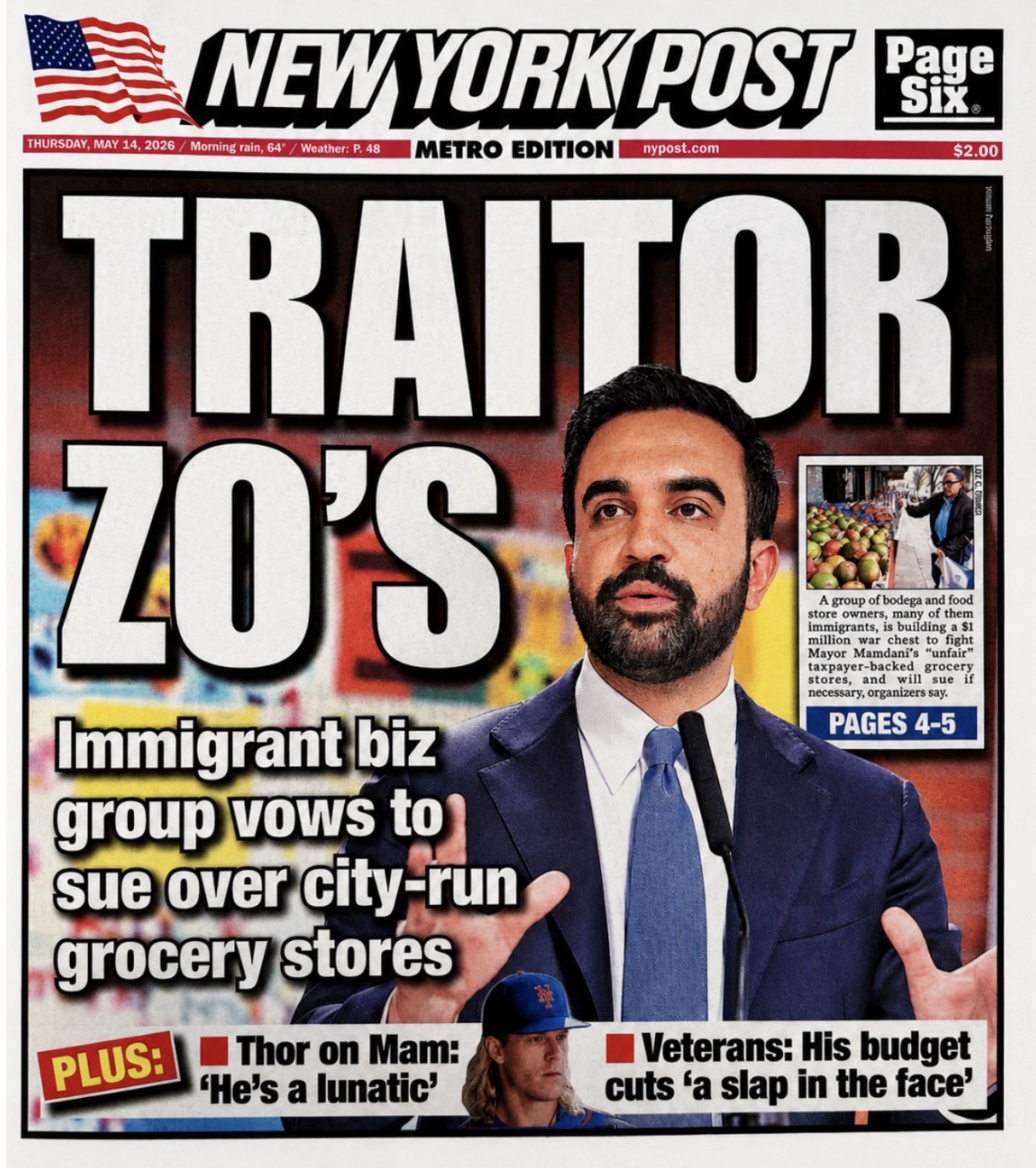
NEW YORK — A coalition representing approximately 50 ethnic and immigrant-led chambers of commerce has voted to pursue legal action against New York City’s proposed municipal grocery store initiative, setting up what could become one of the first major court challenges to Mayor Zohran Mamdani’s plan to establish taxpayer-supported grocery stores.
The vote, approved Tuesday by the Multicultural Business Coalition (MBC), follows the mayor’s announcement that New York City intends to launch publicly backed grocery stores aimed at lowering the cost of essential food items for residents. City officials say the initiative is designed to improve food affordability as households continue to face elevated living costs.
Business leaders within the coalition argue the proposal crosses an important line by placing government in direct competition with privately owned supermarkets, neighborhood grocery stores, and bodegas that have invested decades serving their communities while paying taxes, rent, payroll, insurance, and other operating expenses without public subsidies.
Coalition members say their legal challenge is not opposition to making groceries more affordable. Instead, they contend that affordability initiatives should strengthen existing small businesses rather than creating government-supported competitors that could threaten thousands of independently owned stores throughout New York City.
Duvi Honig, Co-Founder and Secretary of the Multicultural Business Coalition and Founder & CEO of the Orthodox Jewish Chamber of Commerce, said the coalition supports practical solutions that reduce grocery costs while protecting neighborhood businesses.
“Every family deserves access to affordable groceries, but government should not solve one problem by creating another. New York’s neighborhood supermarkets, bodegas, and immigrant-owned food businesses have invested their lives serving their communities. Public policy should strengthen small businesses, not place taxpayer-funded competitors in the same marketplace. We believe there are better ways to lower food costs while protecting the entrepreneurs who are the backbone of New York’s economy.”
Supporters of the city’s proposal argue the stores will expand access to affordable food and increase competition in underserved neighborhoods. Administration officials have said the municipal stores are intended to complement—not replace—existing retailers and will focus primarily on essential grocery items.
Opponents remain skeptical, arguing that even limited government-backed competition could shift customers away from long-established businesses operating on thin profit margins. Coalition leaders say the authorization to pursue legal action reflects growing concern among immigrant-owned businesses that the program could create an uneven playing field.
The case is expected to draw national attention as cities across the country explore new approaches to addressing affordability challenges. Its outcome could help determine how far local governments may go in operating publicly supported retail businesses while competing with private enterprise.
JBizNews Desk | New York
© JBizNews.com All Rights Reserved. Reproduction or distribution without written permission is prohibited.