
 JBizNews
Dow Jumps 537 Points as Earnings Lift Blue Chips, Apple Briefly Hits $5 Trillion While Chip Selloff Weighs on Nasdaq
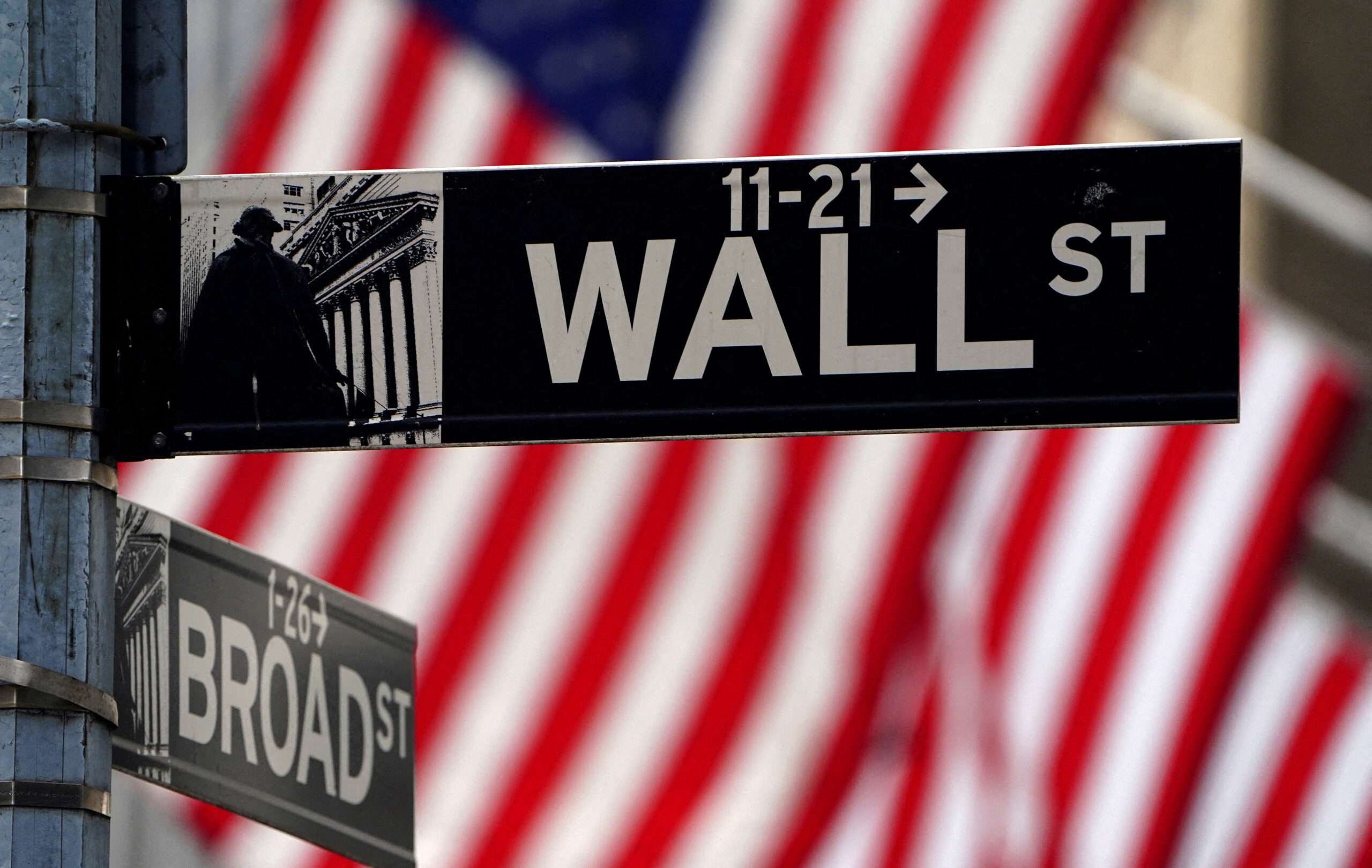
Wall Street closed with a mixed finish Tuesday as strong corporate earnings and a sharp decline in oil prices powered the Dow Jones Industrial Average to its third consecutive gain, while another round of selling in semiconductor stocks kept the Nasdaq in negative territory ahead of Wednesday’s pivotal Federal Reserve interest-rate decision.
The Dow Jones Industrial Average climbed 537.24 points, or 1.03%, to 52,747.32. The S&P 500 added 0.21% to 7,428.78, while the Nasdaq Composite slipped 0.22% to 24,876.91. Investors also pushed the equal-weighted S&P 500 to a record close, signaling that buying broadened beyond the market’s largest technology companies.
The divergence reflected two competing themes driving markets. Better-than-expected earnings from established consumer and industrial companies encouraged investors to rotate into more traditional sectors, while continued weakness across semiconductor stocks raised fresh questions about whether the extraordinary pace of artificial intelligence infrastructure spending can be sustained indefinitely.
Sherwin-Williams helped lead the Dow after reporting second-quarter results that exceeded Wall Street expectations, sending shares sharply higher. Coca-Cola also delivered stronger-than-expected revenue and profit while raising its full-year outlook, reinforcing confidence that consumers continue spending despite elevated borrowing costs and persistent inflation.
Apple provided another milestone for investors, briefly becoming the first publicly traded company to touch a $5 trillion market valuation during Tuesday’s session. The stock reached an intraday high of $342.89 before giving back some gains later in the day. The move came just one trading session after Apple reclaimed the title of the world’s most valuable public company and ahead of its quarterly earnings report scheduled for Thursday.
While blue-chip earnings impressed, semiconductor stocks remained under heavy pressure for a fourth consecutive session. The VanEck Semiconductor ETF fell more than 3%, with Micron and AMD each suffering steep losses. European chip-equipment maker ASML also declined after reports that a Chinese manufacturer is developing an immersion deep ultraviolet lithography system, potentially challenging one of ASML’s long-standing technology advantages.
Selling extended across global chipmakers. SK Hynix and Samsung Electronics posted significant declines in South Korea, while Taiwan Semiconductor, Broadcom, and Nvidia also finished lower as investors reduced exposure to the sector.
Energy markets moved in the opposite direction. Brent crude fell 4.8% to $84.09 per barrel, while West Texas Intermediate dropped 4% to $79.26, its lowest settlement in more than a week. The decline followed diplomatic discussions involving Iran, Saudi Arabia, and Oman regarding regional security and the Strait of Hormuz, easing immediate concerns over potential supply disruptions.
Lower oil prices offered investors some optimism heading into the Federal Reserve meeting by reducing pressure on transportation, manufacturing, and shipping costs that affect businesses and consumers alike.
Goldman Sachs said Brent crude could move toward $80 per barrel by year-end if the Strait of Hormuz fully reopens during the fourth quarter, although the firm cautioned that risks remain from continued Red Sea disruptions and the possibility of additional attacks on Middle East energy infrastructure.
Gold prices retreated as traders positioned for the Federal Reserve’s announcement. A stronger U.S. dollar and expectations that policymakers could maintain a restrictive stance weighed on bullion, making the metal more expensive for international buyers.
Attention now turns to the Federal Open Market Committee, which began its two-day meeting Tuesday. Chair Kevin Warsh is scheduled to announce the central bank’s decision Wednesday afternoon before holding a press conference that markets will scrutinize for guidance on inflation, interest rates, and the economic outlook.
Futures markets continue to indicate meaningful uncertainty over the Fed’s next move, with investors assigning better than a one-in-three probability of another rate increase. Citadel Securities has projected policymakers could tighten again as inflation remains above the central bank’s long-term objective. The federal funds rate currently stands in a target range of 3.50% to 3.75%.
For business owners, Wednesday’s message from the Federal Reserve may prove more important than Tuesday’s market rally. Higher borrowing costs continue to influence hiring, expansion plans, commercial lending, and commercial real estate activity. At the same time, falling energy prices offer welcome relief by reducing fuel, freight, and input costs across multiple industries.
Markets will receive additional catalysts later this week, including fresh U.S. GDP and inflation data along with Apple’s closely watched earnings report, all of which could shape expectations for monetary policy heading into September.
JBizNews Desk | Wall Street
© JBizNews.com All Rights Reserved. Reproduction or distribution without written permission is prohibited.