
 JBizNews
AI Chip Selloff Deepens as Investors Question Whether the AI Spending Boom Can Last
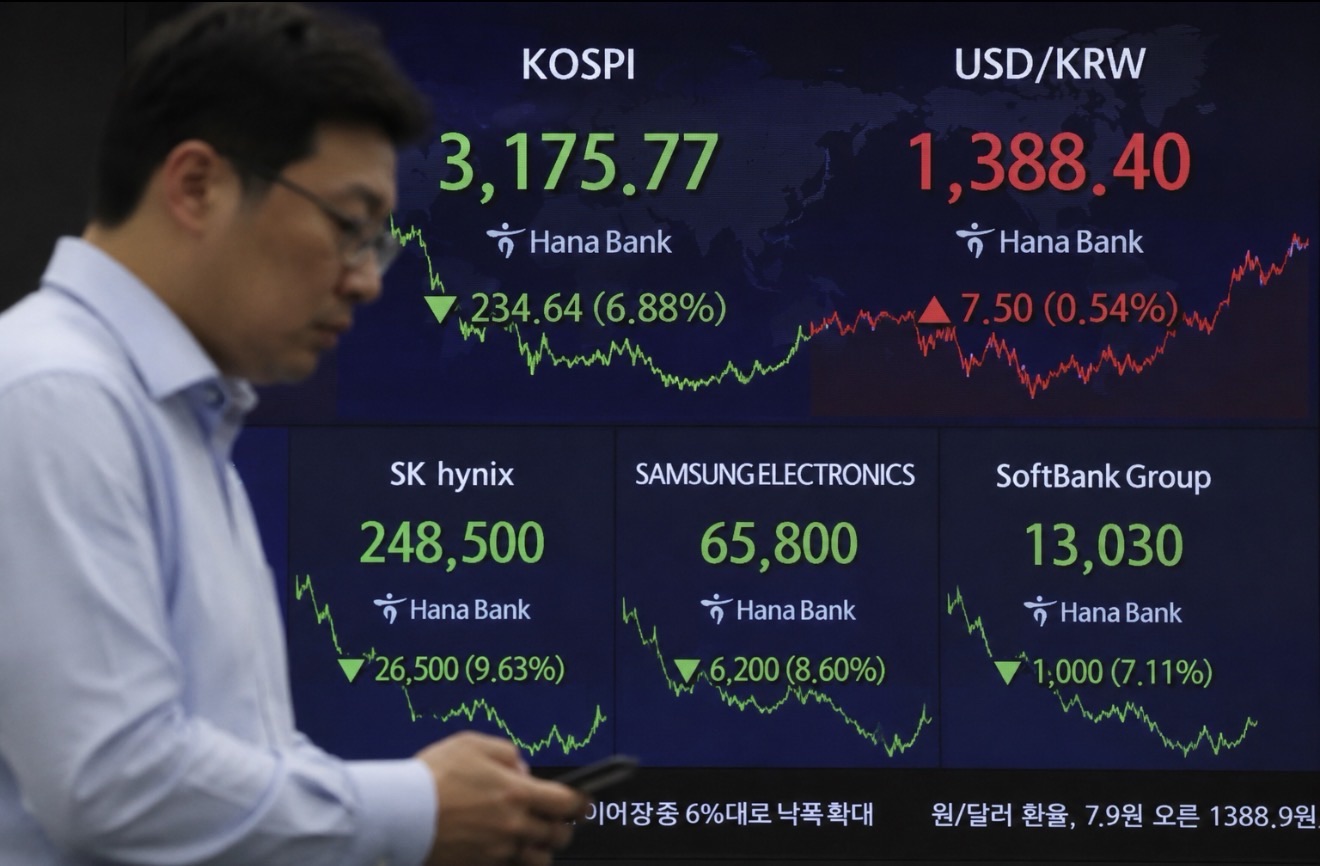
The global semiconductor rally that powered markets for nearly two years hit another speed bump Wednesday as investors extended a broad selloff in AI-related chipmakers, despite strong earnings from several industry leaders. The latest declines were led by South Korea’s SK Hynix, Samsung Electronics and Japan’s SoftBank, signaling growing concerns that expectations for artificial intelligence may have outpaced reality.
Markets reacted even after SK Hynix, the world’s largest producer of high-bandwidth memory (HBM) chips used in Nvidia’s AI processors, reported record quarterly profit. While demand for AI chips remains exceptionally strong, investors focused instead on revenue that narrowly missed expectations and signs that competition in AI memory is intensifying.
The selling reflects a broader shift in sentiment rather than a collapse in demand. After months of record valuations fueled by unprecedented spending from Microsoft, Amazon, Meta and Alphabet on AI data centers, investors are increasingly asking whether those hundreds of billions of dollars in capital expenditures will generate returns quickly enough to justify current stock prices.
Samsung Electronics also came under pressure ahead of its detailed earnings release, while SoftBank shares dropped sharply as investors reduced exposure to companies heavily tied to artificial intelligence investments through Arm Holdings and large-scale AI infrastructure projects.
Another growing concern is competition from China. Chinese semiconductor companies continue investing aggressively in memory chips and manufacturing technology despite U.S. export restrictions, raising questions about future pricing power and profit margins for established industry leaders.
The weakness spread beyond Asia into global markets, adding pressure to semiconductor stocks that have already pulled the Nasdaq 100 close to correction territory. Investors have become increasingly selective, rewarding companies that deliver exceptional results while punishing even minor disappointments after an extraordinary run in AI-related shares.
None of this suggests the AI revolution has stalled. Businesses continue adopting artificial intelligence at a rapid pace, and cloud providers are still committing massive sums to expand computing capacity. Instead, markets appear to be recalibrating expectations after pricing in years of near-perfect execution.
Attention now turns to upcoming earnings and capital spending plans from major U.S. technology companies. If hyperscale cloud providers reaffirm aggressive AI investment, confidence could return quickly. If they signal a slower pace of spending, the semiconductor sector could face additional pressure.
For businesses, the selloff is a reminder that long-term technology trends and short-term stock performance often move on different timelines. AI adoption continues to accelerate, but investors are demanding clearer evidence that the industry’s unprecedented spending will translate into sustainable profits.
JBizNews Desk | Wall Street
© JBizNews.com All Rights Reserved. Reproduction or distribution without written permission is prohibited.