
 Matzav
U.S. Rejects Iran’s Hormuz Toll Demands as Trump Signals Progress in Nuclear Talks
The United States has flatly rejected what it called Iran’s “unreasonable demands” to impose tolls on ships transiting the Strait of Hormuz, as negotiations continue over the future of the vital waterway amid broader diplomatic talks between Washington and Tehran.
A U.S. official told Reuters on Tuesday that both Washington and Oman have dismissed Iran’s proposal, making clear that commercial vessels will not be required to pay tolls or fees to pass through the strategic shipping route.
The official stressed that no agreement under discussion would permit Iran to collect mandatory charges from ships using the Strait of Hormuz.
Earlier in the day, a Gulf source told Reuters that Oman had secured support from several Gulf nations for a proposal that would create a joint regional framework with Iran to oversee the Strait of Hormuz through voluntary user fees.
The proposal was delivered to Iranian officials during meetings in Tehran over the weekend. If adopted, the arrangement would give Iran a shared role in administering the waterway rather than allowing it to exercise exclusive control.
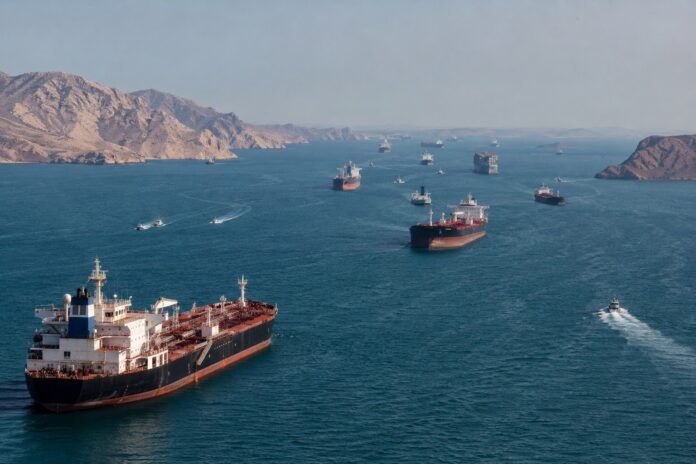
The future of the Strait of Hormuz has become a central issue in negotiations aimed at ending the conflict with Iran. Before the war, roughly 20 percent of the world’s oil exports and liquefied natural gas shipments passed through the narrow maritime corridor.
Iran has insisted that the strait cannot simply return to its pre-war status, when international shipping moved through without restrictions. Gulf Arab states, however, have firmly opposed any arrangement that would require vessels to pay compulsory fees to Iran.
President Donald Trump said Monday that Iran has been “tapped everyone along” for decades but indicated that negotiations between the two sides are moving forward in a positive atmosphere.
Trump told reporters aboard Air Force One that Iran sought renewed talks after sustaining significant damage from recent U.S. military strikes.
“They want to meet, and we’re meeting. We’ll see what happens. There’s a chance we can make a deal,” said the President, who added that Iran’s request for talks resulted from US pressure.
“Without what we did, they wouldn’t even be talking to us,” he said. “They requested a meeting through their surrogates and directly and we’re meeting.”
When asked how long he was willing to continue negotiations, Trump said he was in no rush and suggested the military campaign had dramatically altered conditions in the region.
“I have plenty of time. The whole shoreline is wiped out. The Strait is in very good shape. And we’re talking right now.”
Trump expressed optimism that diplomacy could ultimately succeed but warned that military action remains an option if the talks collapse.
“We’re having good talks, so we’ll see what happens. I think there’s a good chance something could happen. And if it doesn’t, we go back to doing what we were doing two days ago.”