
 JBizNews
U.S. Tightens Restrictions on Chinese Robotics as AI Competition Expands Beyond Software
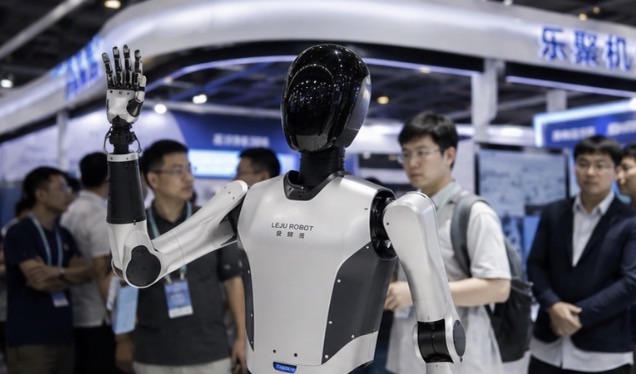
Washington is widening its technology strategy beyond semiconductors, moving to restrict additional Chinese-made humanoid robots and related technologies as policymakers increasingly view advanced robotics as a strategic industry tied to national security, manufacturing and artificial intelligence.
The latest action reflects a broader shift in U.S. industrial policy. Rather than focusing solely on advanced computer chips, officials are now paying closer attention to the machines that could power future factories, warehouses, logistics centers and critical infrastructure. Humanoid robots are expected to play a growing role in manufacturing, healthcare, retail and defense as AI systems become more capable.
China has invested aggressively in robotics, automation and advanced manufacturing as part of its long-term effort to reduce dependence on foreign technology. Chinese manufacturers have rapidly expanded production of industrial and humanoid robots while integrating artificial intelligence into factory operations, creating new competition for American and European producers.
U.S. policymakers argue that allowing Chinese robotics companies to establish a dominant position in critical industries could create future security and economic risks similar to those raised over telecommunications equipment and advanced semiconductors. The restrictions are intended to encourage domestic manufacturing while giving American robotics companies greater opportunity to compete.
For businesses, the policy could reshape purchasing decisions over the next several years. Manufacturers, logistics providers and warehouse operators planning automation projects may have fewer foreign suppliers to choose from while domestic production expands. Although that could increase equipment costs in the near term, supporters argue it may strengthen long-term supply-chain resilience and reduce dependence on overseas technology.
The move also highlights how artificial intelligence is becoming inseparable from industrial policy. Governments are increasingly competing not only over software development but also over robotics, manufacturing capacity, advanced machinery and the infrastructure required to deploy AI throughout the economy.
As companies continue investing in automation to address labor shortages and improve productivity, robotics is expected to become one of the fastest-growing segments of the broader AI economy. Decisions made today by governments and manufacturers could shape global competition for years to come.
JBizNews Desk | Wall Street
© JBizNews.com All Rights Reserved. Reproduction or distribution without written permission is prohibited.