
 JBizNews
Starbucks Turnaround Gains Momentum, Offering Fresh Read on Consumer Confidence
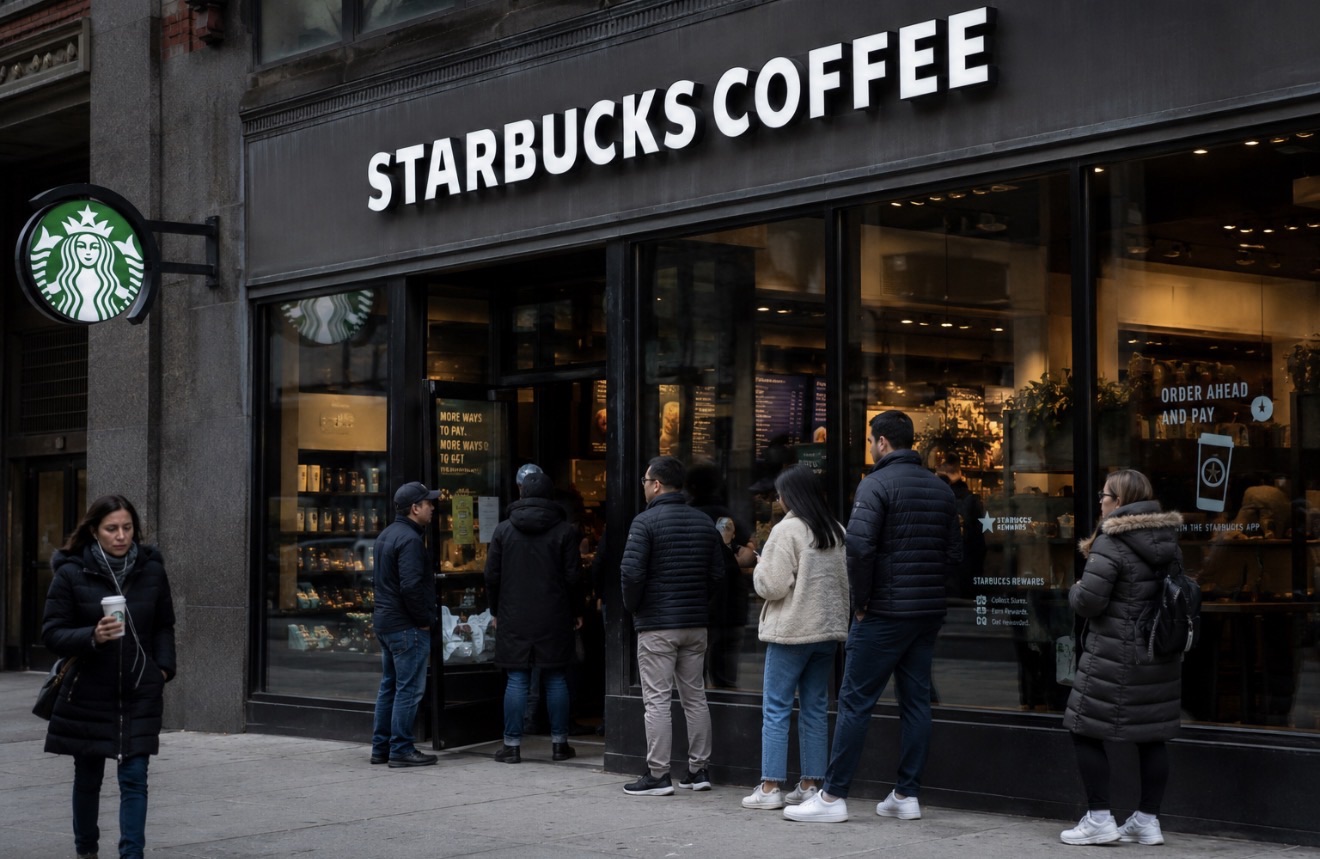
Starbucks is no longer just reporting stronger earnings—it is becoming one of the clearest indicators that American consumers are still willing to spend on affordable everyday luxuries despite persistent economic uncertainty. The coffee chain raised its full-year outlook after reporting quarterly results that exceeded Wall Street expectations, extending a turnaround that investors have been watching for more than a year.
The results matter beyond the coffee business.
Unlike major purchases such as automobiles or appliances, buying a premium cup of coffee is a discretionary decision consumers make almost daily. When customer traffic increases at Starbucks, economists often view it as an early sign that households remain confident enough to continue spending on smaller indulgences even while carefully managing larger expenses.
Comparable-store sales rose well above analysts’ expectations, driven primarily by stronger customer traffic rather than higher prices. That distinction suggests the company is attracting more customers instead of relying on price increases to generate revenue—a healthier foundation for long-term growth.
Much of the improvement reflects changes introduced under CEO Brian Niccol, who has focused on simplifying operations, reducing wait times, improving staffing and making stores more inviting. The strategy appears to be encouraging customers to visit more frequently while improving service consistency across the company’s network.
The performance also provides another data point in the broader story of the U.S. consumer. Recent earnings from several major retailers and consumer-product companies have shown households becoming more selective with spending. Starbucks, however, demonstrates that consumers continue rewarding businesses that deliver a product they view as worth the price, even in a slower economic environment.
For restaurant operators, retailers and franchise businesses, the report reinforces an important lesson: growth is becoming less dependent on raising prices and more dependent on improving customer experience. Businesses that increase convenience, service quality and perceived value appear to be outperforming competitors relying primarily on pricing power.
Investors should also pay close attention to customer traffic rather than headline revenue alone. With inflation beginning to moderate, companies that generate growth by attracting more customers instead of charging more may be better positioned as consumer spending patterns normalize.
What to watch next
Starbucks now faces a different challenge—proving its recovery is sustainable. Investors will be watching upcoming quarters to see whether stronger customer traffic continues after the initial turnaround initiatives mature, while economists will look for confirmation from other consumer-facing companies to determine whether Starbucks is signaling broader resilience in household spending or simply executing better than its competitors.
JBizNews Desk | Seattle
© JBizNews.com All Rights Reserved. Reproduction or distribution without written permission is prohibited.