
 Matzav
Operation Blackout Crushes Global Scam Empire, Seizes $15 Billion and Frees Thousands of Trafficking Victims
The FBI announced that it has dismantled four of what it described as the world’s largest online scam compounds during a sweeping international campaign known as Operation Blackout, recovering more than $15 billion in assets, rescuing thousands of trafficking victims, and preventing thousands of Americans from losing their life savings.
According to the FBI, the targeted scam compounds served as massive hubs for online fraud operations. Many of the people forced to work in these centers were victims of human trafficking who had been held against their will. The bureau said Operation Blackout liberated thousands of these workers and also prevented approximately 10,000 Americans from falling victim to devastating financial scams. The agency did not specify exactly when those rescues occurred.
The FBI also said the operation led to the creation of new international partnerships designed to combat transnational fraud networks and human trafficking organizations.
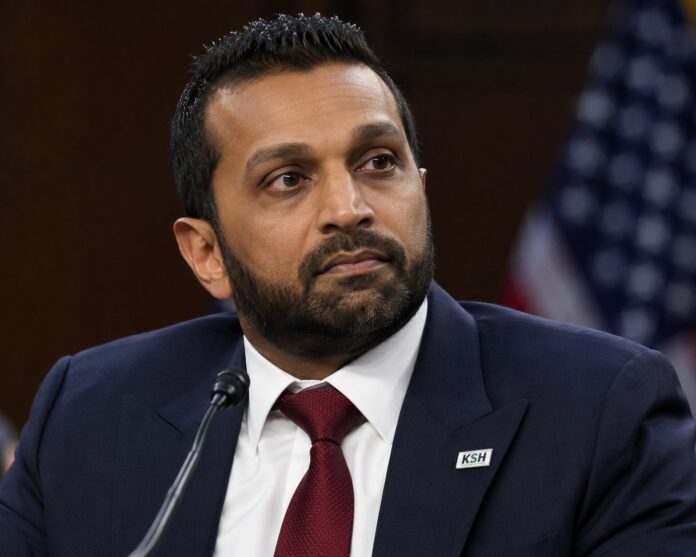
FBI Director Kash Patel previously disclosed that the $15.2 billion seizure resulted from a 16-month investigation. In a July 21 post on X, Patel said dozens of scam compounds were dismantled, hundreds of suspects were arrested, and multiple human trafficking operations were shut down. He highlighted four major operations that made up the broader campaign.
One of the largest actions, Operation Zephyr Exodus, targeted Cambodia’s Prince Group, which authorities identified as a transnational criminal organization. Investigators seized a record 127,000 Bitcoin, valued at approximately $15 billion at the time.
Another phase of the operation, known as Operation Sand Dollar, was carried out in Dubai in coordination with China’s Ministry of Public Security and Dubai Police. Officials said the operation dismantled nine scam compounds, arrested more than 300 suspects, confiscated roughly $300 million, seized thousands of electronic devices, and freed thousands of trafficking victims.
Under Operation Compound Fracture, investigators shut down websites and malicious mobile applications allegedly used to facilitate scam operations.
Meanwhile, the Shunda Compound Takedown was conducted jointly by the FBI and Thai law enforcement, disrupting a criminal network believed to be responsible for hundreds of millions of dollars in losses suffered by victims.
Last month, the U.S. Treasury Department imposed sanctions on 35 individuals and organizations connected to the Prince Group, including a Cambodian conglomerate accused of laundering proceeds generated by international scam operations.
Federal officials estimate that Americans lost at least $10 billion to scam networks operating from Southeast Asia during 2024, representing a 66 percent increase compared to the previous year.
The FBI’s 2025 Internet Crime Report paints an even broader picture of the growing threat. According to the report, the Internet Crime Complaint Center received more than one million complaints last year, with reported losses exceeding $20.87 billion—a 26 percent increase over the prior year.
The United Nations’ International Organization for Migration (IOM) has also warned about the widespread trafficking tied to these scam compounds.
According to a July 28 IOM statement, victims are frequently recruited through fraudulent job advertisements promising legitimate employment overseas. After arriving, many have their identification documents confiscated, are confined inside heavily guarded compounds, and are forced to carry out online fraud under threats of violence. Survivors have reported enduring sexual abuse, solitary confinement, starvation, and torture.
“People trapped in scam compounds are victims of trafficking, forced to commit crimes through violence, threats and coercion. They deserve protection, not punishment,” IOM Director General Amy Pope said in the statement.
“We must work together to support survivors, stop traffickers and close the gaps these criminal networks exploit. No country can tackle this alone,” Pope said.
Between 2022 and 2025, the IOM assisted more than 3,500 trafficking victims who had been forced into criminal activity across Southeast Asia. Those rescued came from 39 countries, with many originating from India, Bangladesh, Sri Lanka, Indonesia, Kenya, and Ethiopia.
Meanwhile, efforts continue in Washington to strengthen the government’s response to these criminal enterprises.
Last September, lawmakers introduced the Scam Compound Accountability and Mobilization (SCAM) Act, legislation intended to crack down on foreign scam operations and hold international criminal organizations accountable for human trafficking, forced criminal activity, and cyber fraud targeting Americans.
Although the Senate approved the legislation in December and forwarded it to the House of Representatives, the bill has seen little movement since then.
{Matzav.com}