

As previously reported, President Donald Trump announced yesterday that he has suspended planned U.S. military strikes against Iran after what he described as significant progress toward a new agreement that could reopen the Strait of Hormuz, revive negotiations, and reduce tensions after months of conflict.
In a post on social media, Trump said the emerging framework would restore free navigation through one of the world’s most strategically important waterways while addressing concerns over Iran’s nuclear program.
The developing agreement “would include the Immediate, Complete, and Total OPENING OF THE HORMUZ STRAIT, and an end to Iran’s nuclear threat,” Trump wrote.
“Based on this request, I have agreed, for the future benefit of the WORLD and, likewise, the survival of a successful and prosperous Iran, to cancel the attack, subject to being able to rapidly make a DEAL,” Trump said.
The announcement marks the latest in a series of pauses ordered by Trump since the United States and Israel launched military operations against Iran on Feb. 28. Previous ceasefire efforts have repeatedly collapsed, leading to renewed fighting.
According to Israel’s Channel 12, mediators are working to restore the memorandum of understanding signed by Washington and Tehran last month. The reported proposal would keep the Strait of Hormuz open for international shipping for 60 days without transit fees while also renewing a ceasefire between the two sides.
The earlier memorandum unraveled because of conflicting interpretations over control of the Strait of Hormuz. Trump maintained that the agreement guaranteed unrestricted passage through the waterway, while Iranian officials believed it gave Tehran authority over the routes used by commercial vessels.
Iranian Foreign Ministry spokesman Esmail Baghaei indicated Sunday that Tehran has no intention of returning to the prewar status quo.
He stated that the Strait of Hormuz “will in no way return to the status it was before February 28th,” the date the conflict began.
Speaking with Iranian state television, Baghaei said Iran is holding discussions with Oman regarding maritime traffic through the strait but emphasized that there are currently no negotiations underway concerning a full reopening of the vital shipping lane.
Despite Trump’s latest announcement, the president has previously declared suspensions of military action only to see negotiations break down and hostilities resume.
Iran’s defense minister responded on X by saying the country was “neither surprised nor passive” following Trump’s remarks and insisted Iran remains fully prepared to respond to any concrete military threat from the United States.
Even as Iranian leaders publicly project unity and resolve, reports suggest an internal struggle is developing within the regime between hardliners who reject any negotiations with Washington and officials who believe continued military pressure could strengthen Iran’s bargaining position.
A regional official involved in the mediation efforts said the proposal announced by Trump envisions the United States and Iran returning to direct negotiations while continuing discussions over the issues that have repeatedly blocked a broader agreement.
According to the official, the proposal also calls for reopening the Strait of Hormuz and ending attacks throughout the region, including strikes by Iranian-backed militias operating in Iraq against Gulf Arab states and Jordan.
In return, the United States would lift its naval blockade of Iran and permit Tehran to resume oil exports, consistent with the tentative ceasefire framework currently under discussion, the official said.
The same official stressed that no final agreement has been reached and that negotiations remain ongoing. He spoke on condition of anonymity because he was not authorized to discuss the talks publicly.
Trump also stated that Israel has agreed to join his effort to end the conflict by implementing the proposed ceasefire arrangement. Israeli officials have not publicly commented on that assertion.
Meanwhile, Saudi Crown Prince Mohammed bin Salman spoke by telephone with Trump on Saturday and expressed concern over the possibility of further U.S. military escalation against Iran, according to the Saudi Press Agency.
A person familiar with the conversation said Saudi leaders fear Tehran could retaliate by targeting critical energy infrastructure in Saudi Arabia and other Gulf nations. According to that source, the call took place before Trump’s social media announcement.
The crown prince reportedly sought clarification regarding what additional military options Trump was considering against Iran before the president announced the suspension of planned strikes.
A White House official, speaking anonymously because he was not authorized to discuss the matter publicly, confirmed that Trump and the Saudi crown prince spoke Saturday but declined to provide further details.
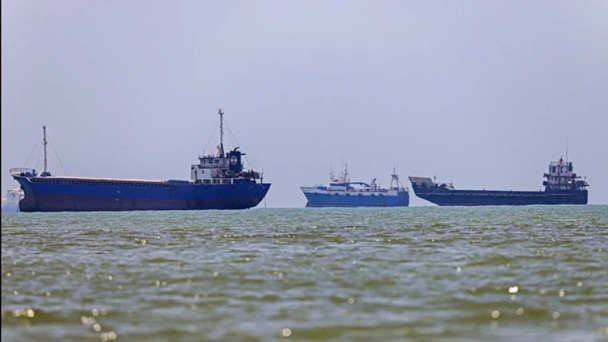
Throughout the conflict, Iran has repeatedly targeted vessels attempting to transit the Strait of Hormuz without Tehran’s authorization, underscoring the strategic importance of any agreement aimed at restoring normal shipping through the waterway.