
 JBizNews
FIFA’s $20 Billion World Cup Plan Sparks Global Revolt as Europe Threatens Boycott
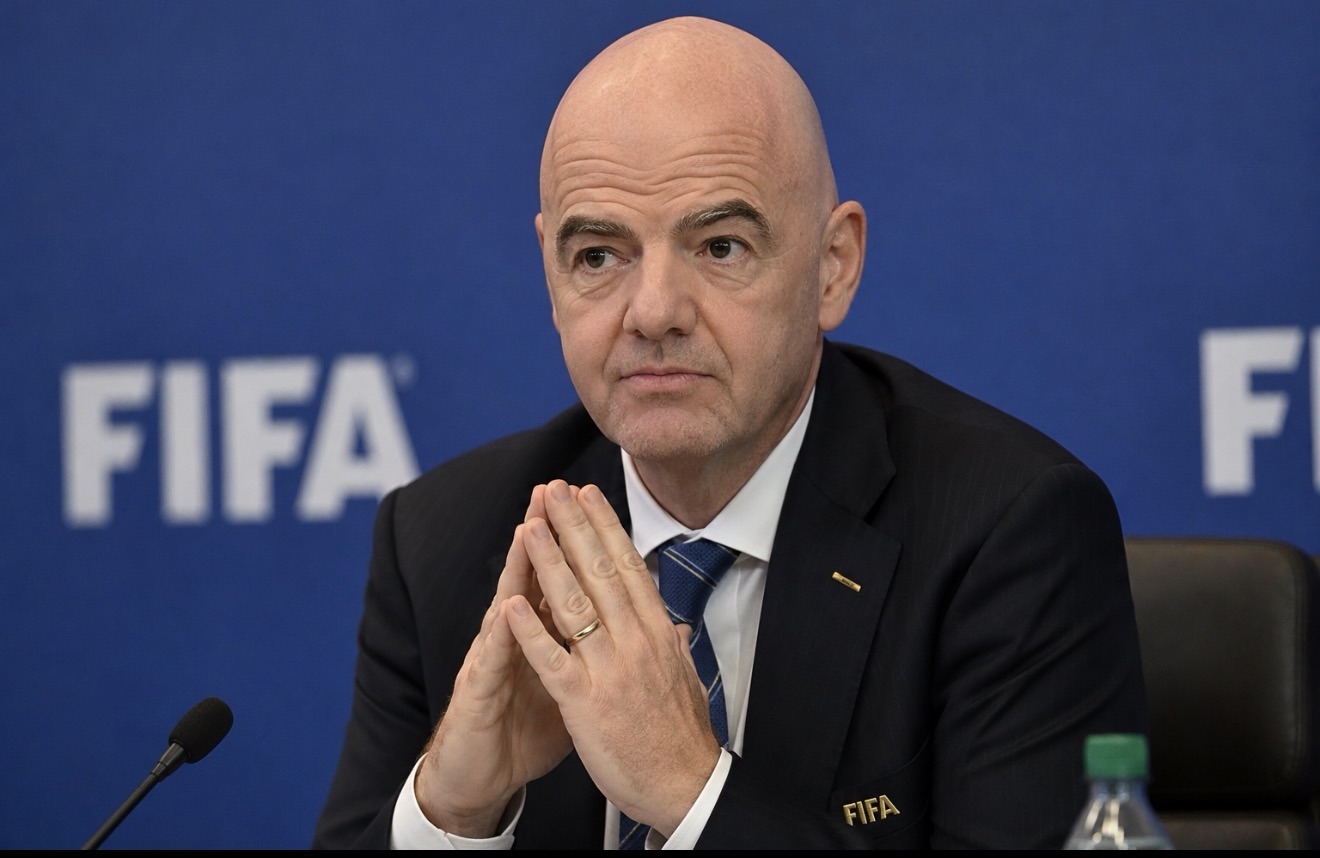
What began as an ambitious effort to unlock billions of dollars from the commercial value of the FIFA World Cup has rapidly evolved into one of the biggest governance crises in modern soccer. FIFA President Gianni Infantino is facing mounting opposition after unveiling a proposal to place the World Cup and other commercial assets into a new company valued at roughly $20 billion and sell up to a 20% stake to outside investors.
The proposal would create FIFA Forward Enterprise (FFE), a commercial subsidiary expected to manage the World Cup and FIFA’s other revenue-generating events. Investment firm Thrive Capital, led by Joshua Kushner, is expected to spearhead fundraising alongside JPMorgan, with the transaction potentially raising about $4.2 billion while allowing FIFA to retain majority control.
Resistance has been swift and unusually broad. UEFA’s 55 member associations have warned they will boycott FIFA competitions if the plan proceeds, arguing that the governing body is attempting to commercialize the sport’s crown jewel without sufficient transparency or consultation. North America’s CONCACAF has also rejected the proposal, adding significant pressure on FIFA as it seeks approval from its 211 member associations.
The internal backlash intensified Friday when Carlos Cordeiro, a senior adviser to Infantino and former president of U.S. Soccer, resigned in protest. Cordeiro, a former Goldman Sachs executive, called the proposal “a bad deal for football,” questioning why FIFA would sell a stake in its most valuable asset despite holding billions of dollars in reserves and carrying no debt. His departure marks the highest-profile resignation linked to the initiative.
Beyond the politics of soccer, the dispute has become a major business story. The World Cup has evolved into one of the world’s most valuable sports properties, generating record revenues from broadcasting, sponsorships, hospitality and ticket sales. Selling an ownership interest could reshape how global sporting events are financed and could attract long-term institutional investors seeking stable media and entertainment assets. At the same time, critics fear outside investors would eventually pressure FIFA to prioritize financial returns over sporting integrity.
The controversy is also drawing attention in Washington. Members of Congress have begun scrutinizing the proposal and its investment structure, including reported ties to U.S.-based investors, raising the possibility that the dispute could extend beyond sports governance into political and regulatory oversight.
For businesses, sponsors and broadcasters, the outcome could influence the future economics of international sports. If the proposal collapses, it may discourage other governing bodies from pursuing similar privatization strategies. If approved, it could establish a new model for monetizing global sporting assets while fundamentally changing the relationship between sports organizations and private capital.
With member federations expected to vote in the coming weeks, Infantino now faces perhaps the defining test of his presidency. The battle is no longer simply about raising billions of dollars—it has become a fight over who should control the future of the world’s most valuable sporting event.
JBizNews Desk | New York
© JBizNews.com. All Rights Reserved. Reproduction or distribution without written permission is prohibited.