
 JBizNews
U.S. Strategic Petroleum Reserve Won’t Be Tapped Again to Ease Prices in War’s New Phase
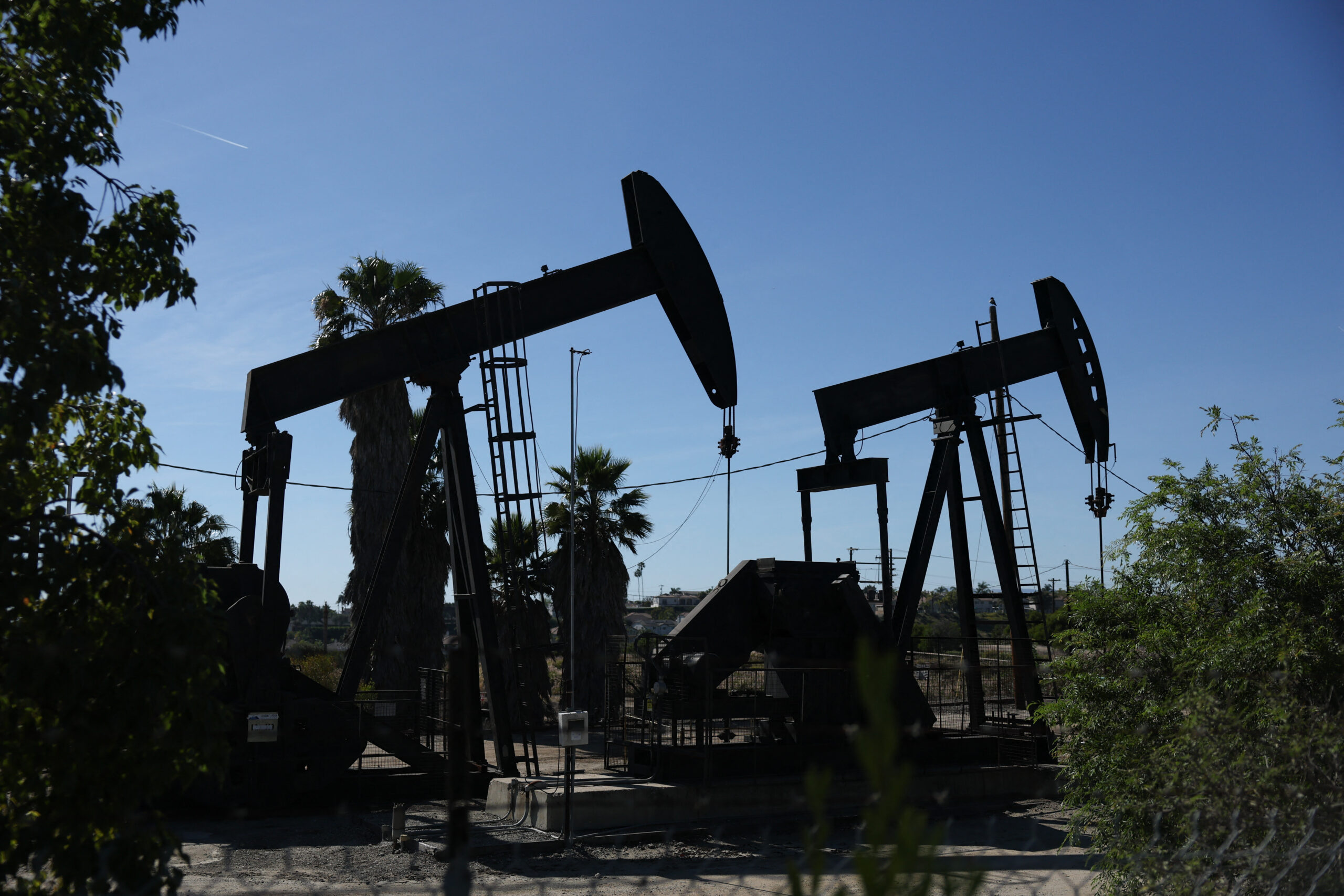
The Trump administration is signaling that it does not plan another release from the Strategic Petroleum Reserve to push down gasoline and diesel prices as the war with Iran enters a more prolonged and economically disruptive phase.
Energy Secretary Chris Wright has said an additional draw is highly unlikely, even as crude oil, gasoline and diesel remain elevated and households absorb higher transportation, delivery and food costs. The decision leaves consumers more exposed to market prices after Washington already committed 172 million barrels from the reserve earlier this year as part of a coordinated international response.
That distinction is critical. Oil is still moving out of the reserve under the previously announced program, but the administration is not preparing a new release specifically to counter the latest rise in fuel prices.
Washington’s restraint reflects how sharply the country’s emergency stockpile has already fallen. Department of Energy data showed the reserve at roughly 308 million barrels in late July, its lowest level since 1983 and more than 100 million barrels below where it stood when the conflict began in February.
The reserve was created to protect the United States from severe supply interruptions, not to guarantee a particular gasoline price. Continued withdrawals could leave the country with fewer barrels available if the Strait of Hormuz disruption worsens, another producer loses output or a hurricane damages Gulf Coast energy infrastructure.
For drivers, the decision removes one of the government’s fastest tools for adding crude oil to the market. The reserve can nominally release as much as 4.4 million barrels a day, although oil generally takes about 13 days after a presidential decision to begin reaching the commercial system.
Past releases have shown that emergency barrels can reduce oil and gasoline prices, particularly when coordinated with other countries. Their effect is temporary, however, because reserves do not create new production and cannot compensate indefinitely for a prolonged loss of global supply.
Today’s challenge is also larger than crude availability alone. Refiners are operating near capacity, global supplies of finished gasoline and diesel are tight, and unusually high refining margins are keeping pump prices elevated even when crude oil pulls back.
That limits what another crude release could accomplish. Additional barrels from federal caverns would help only if refineries have the capacity and the correct equipment to process them into the fuels consumers actually need.
American refineries are designed to handle specific grades of crude. Much of the oil produced from domestic shale fields is lighter than the heavier barrels many Gulf Coast plants were built to process, while disruptions in overseas trade have made it harder to obtain the optimal mix.
Diesel has become an especially serious pressure point. Trucks, farms, construction equipment, railroads and industrial operations depend on the fuel, allowing higher costs to spread far beyond motorists.
Gasoline directly affects family commuting and travel budgets. Diesel reaches consumers more indirectly through supermarket deliveries, online orders, building materials, manufactured goods and nearly every product transported by road.
The administration is instead focusing on other ways to increase fuel availability, including efforts to improve refinery efficiency and move more diesel into the market. Those measures may help at the margins but cannot quickly replace major refinery capacity or reopen blocked shipping lanes.
Earlier reserve releases were structured largely as exchanges rather than outright sales. Energy companies receiving federal crude must return oil later, along with additional premium barrels, allowing the government to argue that the reserve will eventually emerge larger than before the transaction.
That repayment structure strengthens the reserve over time but does little for consumers facing higher prices today. Returned barrels are scheduled to arrive after the immediate crisis, while households must pay current market prices each time they fill a tank.
A deeper problem is the physical condition of the reserve itself. Repeated withdrawals have placed strain on aging salt caverns, pipelines, pumps and other infrastructure, reducing the system’s practical operating flexibility.
The reserve was designed for occasional national emergencies, not repeated large-scale price interventions. Frequent withdrawals can damage caverns and increase maintenance needs, making officials more cautious about using the system again unless the national-security case becomes overwhelming.
Political pressure is likely to grow if gasoline remains above $4 a gallon in more regions. High fuel prices are among the most visible forms of inflation because drivers see them displayed on roadside signs and must often pay them several times a month.
Unlike other household costs, gasoline changes quickly and can influence consumer confidence before broader inflation reports capture the full effect. Persistent increases can force families to reduce restaurant spending, travel, retail purchases or other discretionary expenses.
Federal and state governments still have several possible responses. Fuel-tax relief could reduce prices temporarily, environmental rules could be adjusted to expand supply flexibility, and regulators could allow additional fuel blends or transportation waivers.
Each option carries tradeoffs. Tax suspensions reduce government revenue, environmental waivers can worsen pollution, and regulatory changes cannot produce large quantities of fuel if refineries and pipelines are already operating near their limits.
Domestic oil producers may increase drilling if higher prices persist, but new wells take time to plan, finance and bring into production. Even greater U.S. crude output would not fully solve the shortage if the bottleneck remains refining capacity or global access to finished fuels.
The decision not to authorize another emergency draw therefore marks a change in the government’s message to consumers. Earlier in the war, Washington used the reserve as a visible shield against the oil shock. In the conflict’s new phase, officials appear determined to preserve what remains.
That leaves households more dependent on the war’s direction, global refinery output and the reopening of major shipping routes. If those conditions do not improve, gasoline and diesel prices may remain elevated without a large federal stockpile release to soften the increase.
JBizNews Desk | Washington, D.C.
© JBizNews.com All Rights Reserved. Reproduction or distribution without written permission is prohibited.