
 Vos Iz Neias
Buttigieg Says Higher Taxes Would Enable U.S. Fast Trains; California Project Has Zero Operational Miles After 18 Years
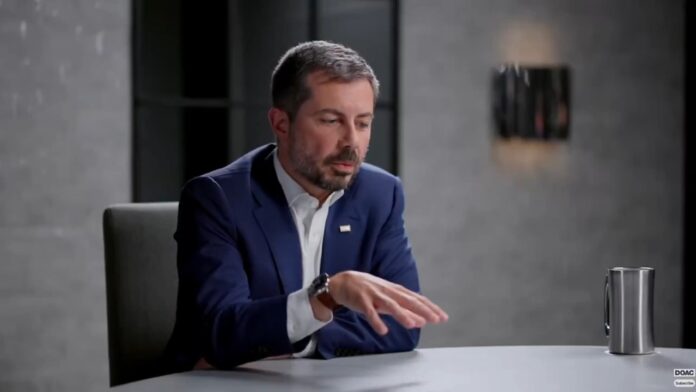
WASHINGTON D.C (VINnews)-Former U.S. Transportation Secretary Pete Buttigieg said higher taxes on capital gains, corporate income and inherited wealth would allow the United States to build high-speed rail systems.
In a recent interview on the “Diary of a CEO” podcast, Buttigieg argued that current tax policies leave the country short of the resources needed for major infrastructure.
“If we had a more reasonable rate of taxation on capital gains and corporate income, and made it harder to pass along inherited wealth,” he said, “we’d be out of this doom loop we’re in saying … we can’t possibly do something like fast trains here in the United States. Of course we can. This is the wealthiest economy in the world.”
“If we aren’t collecting a fair level of taxes, then of course we’re going to come up short when we’re trying to fund those things,” Buttigieg added.
Buttigieg, who served as transportation secretary under President Joe Biden and is viewed as a potential 2028 presidential contender, linked the issue to broader concerns about inequality and the ability of government to deliver large public projects.
Critics point to California’s long-running high-speed rail effort as evidence that funding levels alone do not guarantee results. Voters approved Proposition 1A in 2008, authorizing bonds for a system then estimated to cost about $33 billion and connect Los Angeles and San Francisco by 2020.
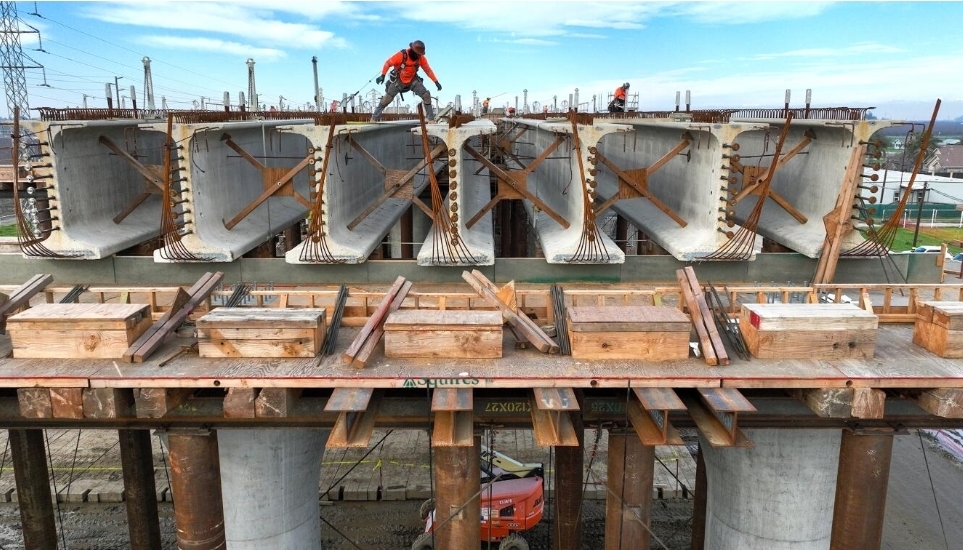
Nearly 18 years later, the project’s estimated cost has risen dramatically. Recent figures from the California High-Speed Rail Authority and outside analyses put the full Phase 1 buildout in a range that has included high-end scenarios near $230 billion, though the authority has also cited lower optimized estimates around $126 billion for a San Francisco-to-Los Angeles/Anaheim route. Roughly $15 billion has been spent to date.
No miles of operational high-speed rail are in service. Construction has focused on segments in the Central Valley, with the initial operating segment still years from revenue service and no high-speed trains yet running.
Federal funding has also faced cuts in recent years amid concerns over delays, cost growth and missed deadlines. The project continues to face scrutiny over timelines, scope and remaining funding gaps.