
 Matzav
Finance Committee Chairman: Left Will Target Torah World, Chareidi Education, and Jewish Identity
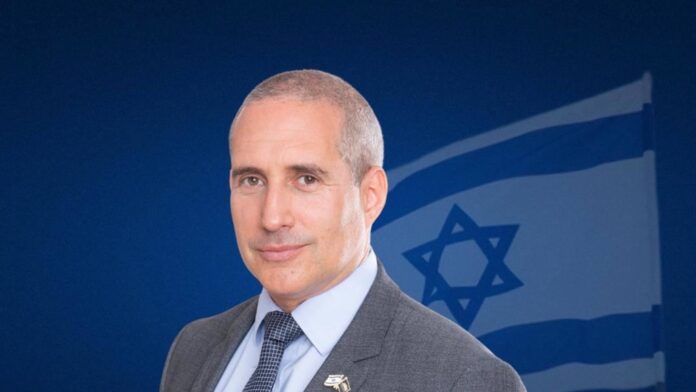
Knesset Finance Committee Chairman MK Chanoch Milwidsky warned that Israel’s upcoming election will center not only on politics, but on the country’s Jewish identity and the future of the Torah world, accusing the left and the opposition of seeking to undermine Torah learning, chareidi education, and religious institutions.
Speaking in an interview on Kol Chai Radio’s “Hamahadura Hamerkazit” with Avi Ravina, Milwidsky said the central question facing voters is whether Israel will remain a Jewish state rooted in Jewish tradition or move in a fundamentally different direction.
“The real question is whether the State of Israel will remain a Jewish state, where Judaism is the state’s guiding religion, a country built upon the values of mesoras Yisroel, or whether it will become something entirely different,” he said.
Milwidsky sharply criticized left-wing and opposition parties, arguing that their campaign is directed not only against Prime Minister Binyamin Netanyahu but against the broader concept of a Jewish state. He claimed they are targeting the Torah world, the independent chareidi school system, and media outlets identified with the religious and chareidi public.
Addressing suggestions that a left-wing government might ultimately cooperate with the chareidi parties and therefore leave the Torah world untouched, Milwidsky dismissed the idea outright.
“They are fighting Judaism, they are fighting the Jewish state,” he said. “They understand that the Torah world is the root, the connection between the Jewish people and the Ribbono Shel Olam.”
The Finance Committee chairman also discussed a committee meeting that had been planned to consider several significant budget requests, including funding related to chareidi education, teachers’ and kindergarten teachers’ salaries, as well as a proposal to allocate approximately one billion shekels to strengthen security protections for communities along Israel’s northern border.
According to Milwidsky, the opposition refused to allow the committee to convene during the Knesset recess to address those issues.
“They are politically exploiting the security of the residents of northern Israel,” he charged.
Milwidsky also argued that chareidi teachers face discrimination specifically when they teach in chareidi educational institutions. He said those same educators would receive full benefits if they worked in non-chareidi schools, but when employed within the chareidi system, they are denied equal conditions.
He went on to connect the issues of chareidi education and government funding to the broader debate over judicial reform, asserting that the future of the Torah world depends on changes to Israel’s legal system.
According to Milwidsky, the High Court of Justice and the attorney general’s office have repeatedly blocked legislation and government policies dealing with the draft law, daycare funding, and budgets for the chareidi community.
“Until we deal with these bodies and carry out comprehensive judicial reform, we can continue passing laws, and the High Court will continue blocking them,” Milwidsky said.
He added that the next government will have to confront the High Court directly and establish clear limits on judicial intervention in matters decided by the elected branches of government.