
 Matzav
New Shipping Attacks Jeopardize Emerging Strait of Hormuz Agreement With Iran
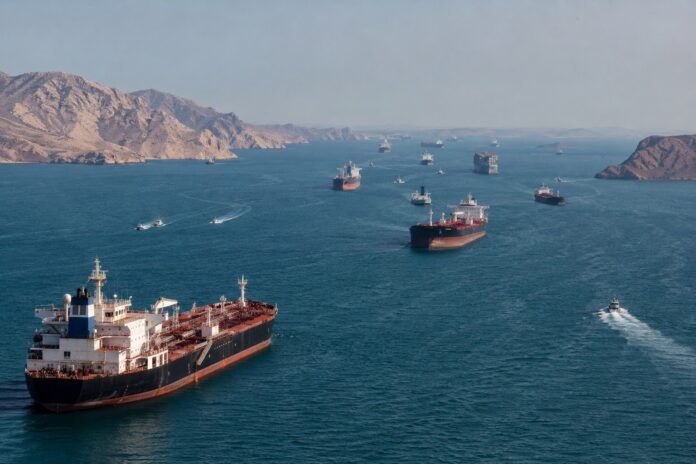
Fresh attacks on commercial vessels in the Middle East are raising new concerns about efforts to secure an agreement with Iran that would ensure safe passage through the Strait of Hormuz, even as U.S. officials say negotiations continue to make progress.
The latest incidents unfolded early Tuesday, when a commercial vessel sailing near Oman was struck by an unidentified projectile, according to the United Kingdom Maritime Trade Operations (UKMTO). Authorities are also investigating a separate attack on another ship in the same region.
The renewed violence came on the same day Houthi rebels were blamed for sinking an Indian commercial vessel in the Red Sea, reinforcing fears that some of the world’s most critical shipping lanes remain vulnerable despite ongoing diplomatic efforts.
In response to the attack, India’s Ministry of External Affairs condemned the violence, saying, “The continued incidents of attacks on commercial shipping in the region are deeply worrisome.”
Despite the deteriorating security situation, Secretary of State Marco Rubio expressed optimism that negotiations with Iran are continuing to move forward.
“There’s oil moving right now through the straits. You know there are ships moving through the straits. There’s oil moving right now through the straits. So the straits are open, nonetheless,” Rubio said.
He added, “I think that there’s a conversation and negotiation that we are involved in between Oman and Iran on how more ships can be able to go through there safely in the short term as we move towards these longer-term talks about denuclearization.”
Rubio concluded by saying, “And suffice it to say, there’s been progress made in those talks, but not finality yet.”
His comments followed remarks earlier Tuesday by Treasury Secretary Scott Bessent, who suggested an agreement could be reached within days.
“We are in talks with the Iranians,” Bessent said during an appearance on CNBC’s Squawk Box. “There is a chance we may have a deal today or tomorrow to open the strait and move towards a more normalized position in this conflict.”
Bessent’s comments helped push oil prices lower, with crude falling below $77 per barrel as investors anticipated the possibility of a breakthrough that would stabilize one of the world’s most important energy corridors.
Even so, negotiations remain complicated by reports that Iran wants a central role in regulating maritime traffic through the Strait of Hormuz. According to reports, Tehran has proposed charging commercial vessels fees for using the strategic waterway.
Trump administration officials strongly disputed those reports, insisting Iran would not be permitted to impose tolls on international shipping.
“Any temporary routes will be without any impediments — meaning no approvals or permissions and no tolls or charges,” a U.S. official said. “The Strait of Hormuz is an international waterway and no party controls the lanes or the ability to transit through them.”
President Donald Trump also weighed in on the negotiations Monday, describing the current discussions as Iran’s “last chance for them to sign a good document” before “decapitation,” referring to the possibility of military strikes targeting Iran’s leadership.
Trump’s remarks came after he said he had called off a military operation against Iran that he claimed would have rivaled “World War II,” believing Tehran was prepared to pursue a negotiated agreement instead.
Iran also disclosed Monday that its proposed navigation plan would establish two designated shipping corridors through the Strait of Hormuz, with vessels entering along a northern route close to Iran’s coastline and exiting through a southern lane near Oman.
Meanwhile, UKMTO said the commercial vessel struck near Oman sustained damage after being hit by an unidentified projectile. Authorities are continuing to investigate the attack while urging all ships operating in the region to remain on heightened alert.
The latest attacks underscore the fragile security environment surrounding the negotiations, as Oman continues mediating talks between Washington and Tehran aimed at guaranteeing safe passage through the Strait of Hormuz before broader discussions turn to Iran’s nuclear program.
The Strait of Hormuz remains one of the world’s most strategically important waterways, carrying roughly one-fifth of all globally traded seaborne oil.