
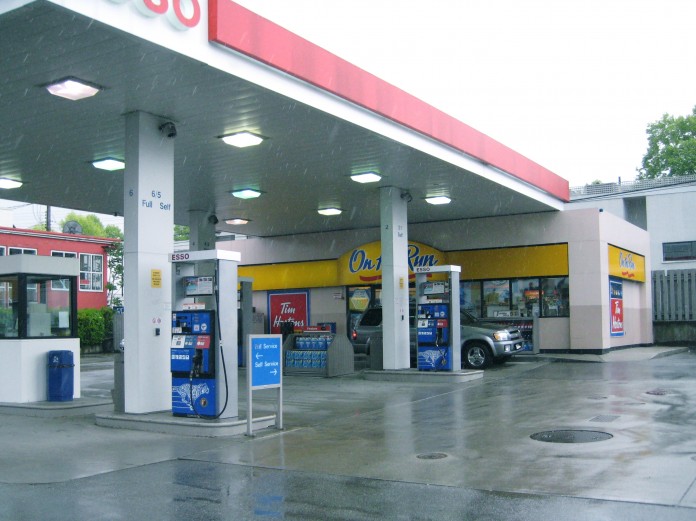

The Trump administration is preparing to extend a temporary waiver to the century-old Jones Act in an effort to ease gasoline prices for American drivers, according to sources familiar with the discussions. The move comes as President Donald Trump intensifies his criticism of oil giants Exxon Mobil and Chevron, accusing them of earning excessive profits while consumers continue paying high prices at the pump.
The Jones Act requires cargo transported between U.S. ports to travel on vessels that are built in the United States, owned by American companies, and staffed by U.S. crews.
By temporarily relaxing those requirements, the administration hopes to make it easier to transport fuel across the country, reducing shipping bottlenecks and increasing supply in regions facing higher prices.
Industry leaders had anticipated that the waiver would be renewed before the end of July. Instead, administration officials have continued negotiations with maritime industry representatives and members of Congress over possible revisions that would preserve flexibility for moving critical fuel supplies while narrowing the waiver’s scope, according to three people familiar with the talks who spoke on condition of anonymity because they were not authorized to discuss the matter publicly.
The existing waiver is scheduled to expire on Aug. 16. If renewed, it would continue what has already become the longest suspension of Jones Act requirements since the waiver program was established.
Government figures show the exemption was invoked nearly 200 times during the four-and-a-half-month period ending in late July.
With the November midterm elections approaching, the administration is searching for additional ways to reduce gasoline prices, which remain above $4 per gallon on average nationwide.
In recent months, the White House has pursued several strategies to ease fuel costs, including boosting oil supplies and providing regulatory flexibility. Trump also publicly increased pressure on Exxon and Chevron this week, saying the companies should return more of their profits to consumers through lower prices at gas stations.
Neither Exxon Mobil nor Chevron responded to requests for comment.
Speaking with reporters Tuesday in Brownsville, Texas, Energy Secretary Chris Wright said the waiver has already helped bring down fuel prices in California and along the East Coast, adding that another extension appears likely.
Wright predicted gasoline prices would continue falling over the next several weeks.
“President Trump believes in markets and he believes in capitalism. But he’ll use every tool he has, including the bully pulpit, to try to encourage and put pressure to lower energy prices for Americans,” Wright said at a press conference when asked about Trump’s comments on Exxon and Chevron.
Bob McNally, president of Rapidan Energy Group, said the most powerful tool available to any U.S. president would ordinarily be encouraging Saudi Arabia to increase oil production. However, he noted that option is currently limited because exports remain constrained by disruptions around the Strait of Hormuz stemming from the conflict involving Iran.
McNally said other proposals—including a windfall profits tax, government-imposed gasoline price controls, or legal action against major oil companies—would either be politically difficult, economically risky, or unlikely to produce meaningful price reductions.
He added that while extending the Jones Act waiver would increase the number of tankers available to move fuel domestically, its overall impact on gasoline prices would likely amount to only a few cents per gallon.
Opponents of extending the waiver are urging the administration to impose tighter geographic restrictions and conduct closer reviews of each shipment permitted under the exemption.
Sources said White House trade adviser Peter Navarro, Office of Management and Budget Director Russell Vought, and members of the White House Energy Dominance Council have all participated in ongoing discussions about the future of the waiver.
No final decision has been reached, and officials cautioned that the details could still change before an announcement is made.
Several senior Republican lawmakers, including House Speaker Mike Johnson and House Majority Leader Steve Scalise, have urged the administration to limit the waiver’s reach, arguing that frequent exemptions could weaken the U.S. merchant fleet and undermine the national security objectives behind the Jones Act.
A White House official said the administration continues to evaluate how the waiver is being used and that discussions remain active. The official added that any decision will be announced directly by the president or the administration.
Maritime organizations have intensified their campaign against another extension, with the American Maritime Partnership resuming television advertisements on CNBC and Fox News while also launching a digital advertising campaign alongside the American Waterways Operators.
AMP President Jennifer Carpenter argued that the waiver has primarily benefited foreign shipping companies and major energy firms rather than American consumers.
“The waiver has shifted routine domestic commerce to foreign operators, including entities linked to China and Russia, while undermining the U.S. maritime industrial base,” Carpenter said.