
 JBizNews
US Uses Up Nearly 80% Of Key Interceptors, Stockpiles ‘Dangerously Low’
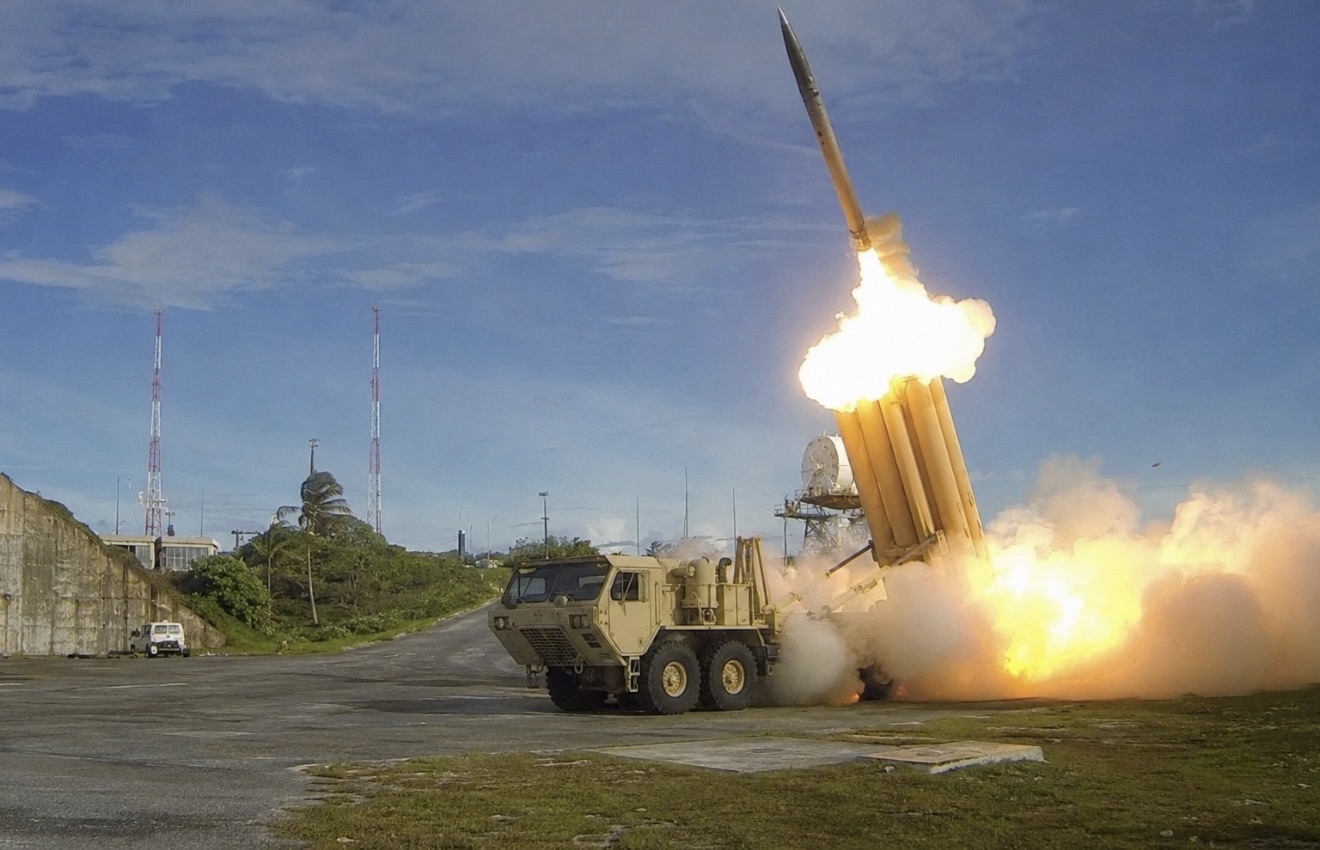
The United States has consumed close to four-fifths of its inventory of Terminal High Altitude Area Defense interceptors and roughly half of its Patriot stock since the war with Iran began, according to two people familiar with the latest Pentagon inventory report — a drawdown that senior commanders have described internally as “dangerously low.” The scale of the ballistic-missile-defense depletion had not surfaced publicly before Tuesday.
The numbers matter less as a battlefield tally than as an industrial one. The Center for Strategic and International Studies estimates the country held roughly 2,200 Patriot rounds across the platform’s two most modernized variants and 452 THAAD missiles before the fighting started. Work backward from the depletion figures and the replacement math turns unforgiving fast.
Production Lines Cannot Keep Pace
Current fiscal-year delivery schedules put the Pentagon on track to receive roughly 15 new Tomahawks and about 20 new Patriot missiles a month — a rate set years ago against peacetime assumptions, not five months of sustained air-defense engagements across the Gulf. CSIS has estimated it would take three years or more to rebuild THAAD inventories to their pre-war levels.
The Defense Department has moved to widen the bottleneck. Two agreements were signed this week to expand Patriot and THAAD rocket motor manufacturing, part of a broader push to accelerate interceptor output, though a department spokesperson declined to say when the expansion would begin producing results. Rocket motors have been the chokepoint in this supply chain for years, and adding capacity there is the single highest-leverage fix available. It is also among the slowest, requiring qualified facilities, energetics handling capacity and a skilled workforce that cannot be hired into place in a quarter.
Offensive munitions are in similar shape. Reporting citing two sources indicates the military has expended virtually all of its Army Tactical Missile Systems and Precision Strike Missiles, with close to half the Tomahawk stockpile consumed as well.
The Pentagon Pushes Back
Chief Pentagon spokesperson Sean Parnell rejected the characterization, saying American forces retain a deep arsenal and have executed multiple successful operations across combatant commands. Secretary of War Pete Hegseth publicly disputed the framing of the reporting.
The dispute is partly semantic. Nobody is arguing the inventory is empty. The argument is over how much margin remains for a second contingency — and margin, not absolute count, is what drives procurement budgets.
The Allied Exposure
The commercial consequences extend well beyond the US budget line. Several regional governments that depend on American air defense systems have acknowledged the shortage could constrain their own ability to intercept incoming Iranian missiles and drones, particularly if they become targets in any escalation. Gulf states have spent a decade buying into the American interceptor ecosystem. A supply squeeze at the source translates directly into delivery risk on their own orders — and into a sales opening for European, Israeli and South Korean air-defense vendors pitching alternatives.
Foreign military sales queues were already long before February. They now compete against a domestic replenishment requirement that the department has every incentive to service first.
What It Means For Energy And Shipping
The stockpile picture lands as negotiations over the Strait of Hormuz remain unresolved. Secretary of State Marco Rubio has described progress but not finality on an agreement, while Treasury Secretary Scott Bessent floated the possibility of consensus within a day or two. Shipping analysts have been more cautious.
Interceptor inventory is now an input into that calculation. Defensive depth determines how much risk tanker operators, insurers and Gulf energy exporters price into the corridor. Thinner magazines mean less confidence that facilities and shipping lanes can be shielded through a renewed exchange, and that uncertainty carries a cost whether or not another shot is fired.
For American defense manufacturers, the read is straightforward: multi-year demand for interceptors, rocket motors and long-range strike munitions at volumes above anything in current baseline plans. For the buyers, the constraint is time. Capacity ordered in 2026 delivers in 2029. That gap is the real story in the inventory report, and no contract signed this week closes it.
JBizNews Desk | Washington
© JBizNews.com All Rights Reserved. Reproduction or distribution without written permission is prohibited.