


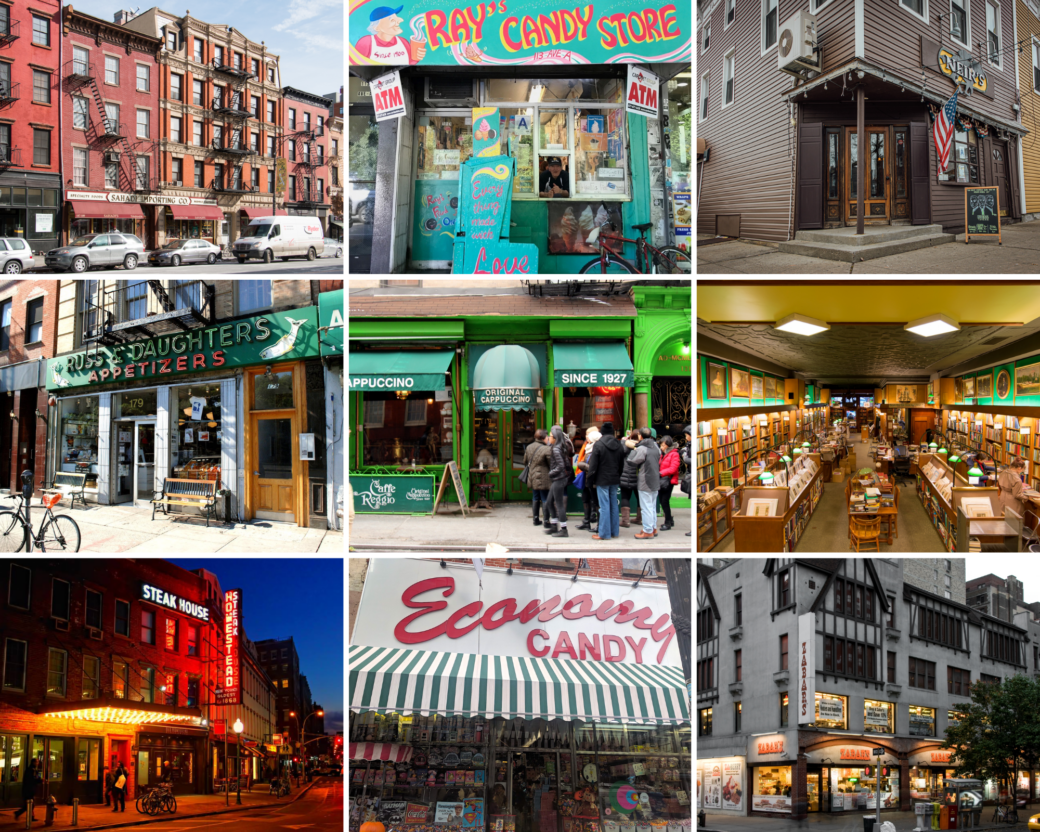
Each year, New York City loses another piece of its history as beloved neighborhood establishments and longtime businesses close their doors, like Caputo Bakery in Carroll Gardens and Barbetta in the Theater District. But despite this constant evolution, many historic establishments have survived decades, and even centuries of change, still offering a glimpse into the city’s past. Ahead, we found some New York City institutions that still feel like classic New York, from charming Jewish delis and old-school steakhouses to century-old ice cream parlors, cafes, and shops.
Delis & appetizing
Zabar’s
2245 Broadway, Upper West Side
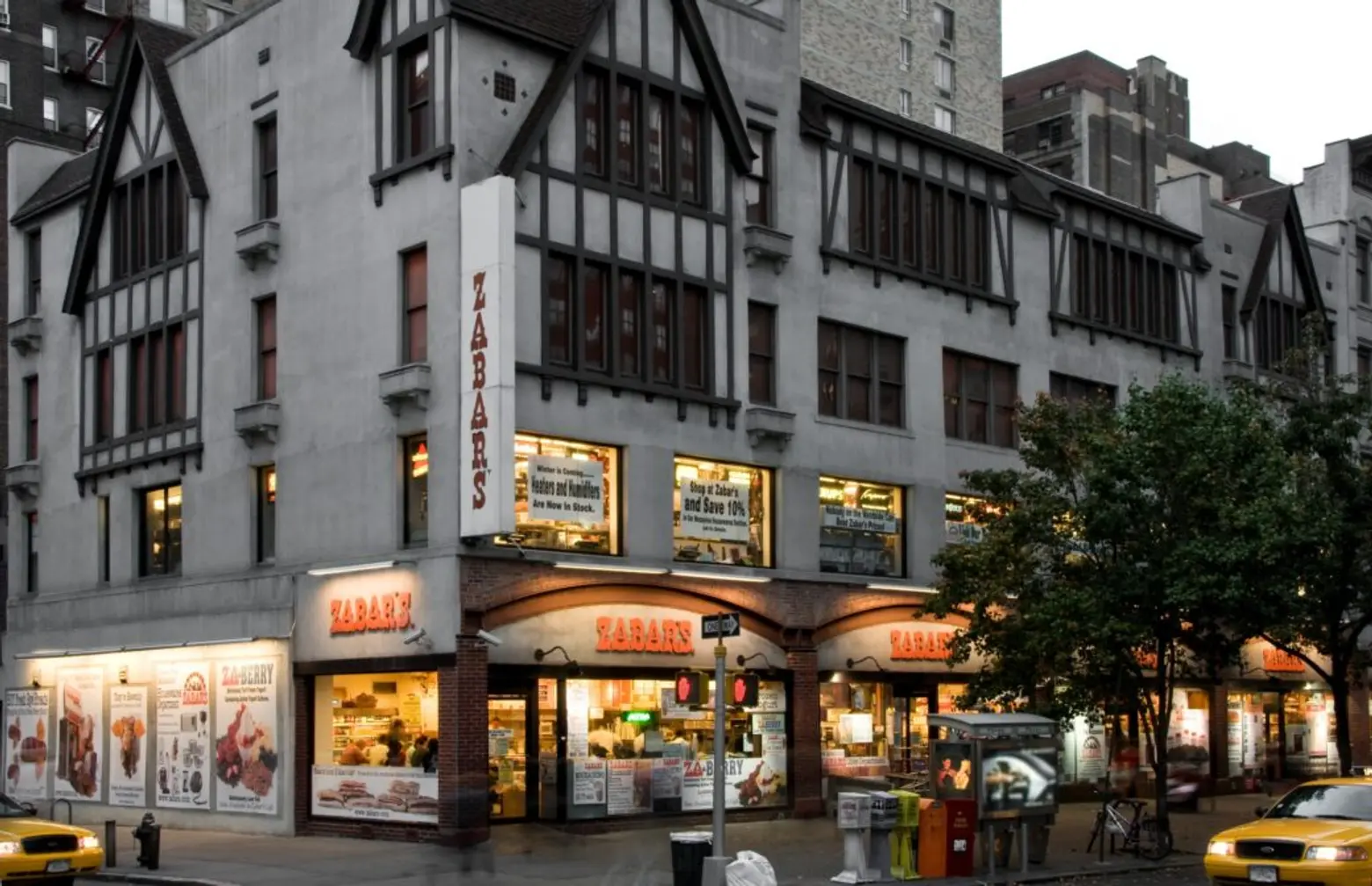
Now nearing its centennial, the Upper West Side’s famed Zabar’s has come a long way since its 1934 founding. Established by husband-and-wife duo Louis and Lillian Zabar, the gourmet deli began as a 22-foot-wide shop on Broadway and West 80th Street, devoted to offering the highest quality coffee and smoked fish.
Louis arrived in the United States in the early 1920s after fleeing persecution against Jews in Ukraine. He rented a stall at a Brooklyn farmers market, where he reconnected with Lillian, whom he knew from his village in Ukraine and who had also fled the country to escape pogroms, as 6sqft previously reported.

The couple married in 1927 and had three children: Saul, Stanley and Eli. The latter went on to found Eli Zabar’s, a chain of specialty food stores inspired by the food halls and markets of London and Paris, according to their website.
Saul, who went on to take the reins from his father, was honored in October, a week after his death at age 97, with the unveiling of vinyl posters depicting him in his signature white coat at the nearby 79th Street subway station.
For more than nine decades, Zabar’s has cemented its status as a cultural and culinary icon cherished by generations of New Yorkers, tourists and celebrities alike. The store helped pioneer several food trends, including introducing Brie cheese to NYC in the 1960s, popularizing gourmet cookware in the 1970s and sparking the so-called “caviar war” with its selection of high-quality, affordable caviar.
The store has also been depicted in numerous television and film productions, including “You’ve Got Mail,” “Will & Grace,” “Dream On,” “How I Met Your Mother,” “Mad About You,” “Friends,” “Sex and the City,” “The Nanny,” “Seinfeld,” “Heart of Dixie,” “Law & Order,” and “Gossip Girl.”
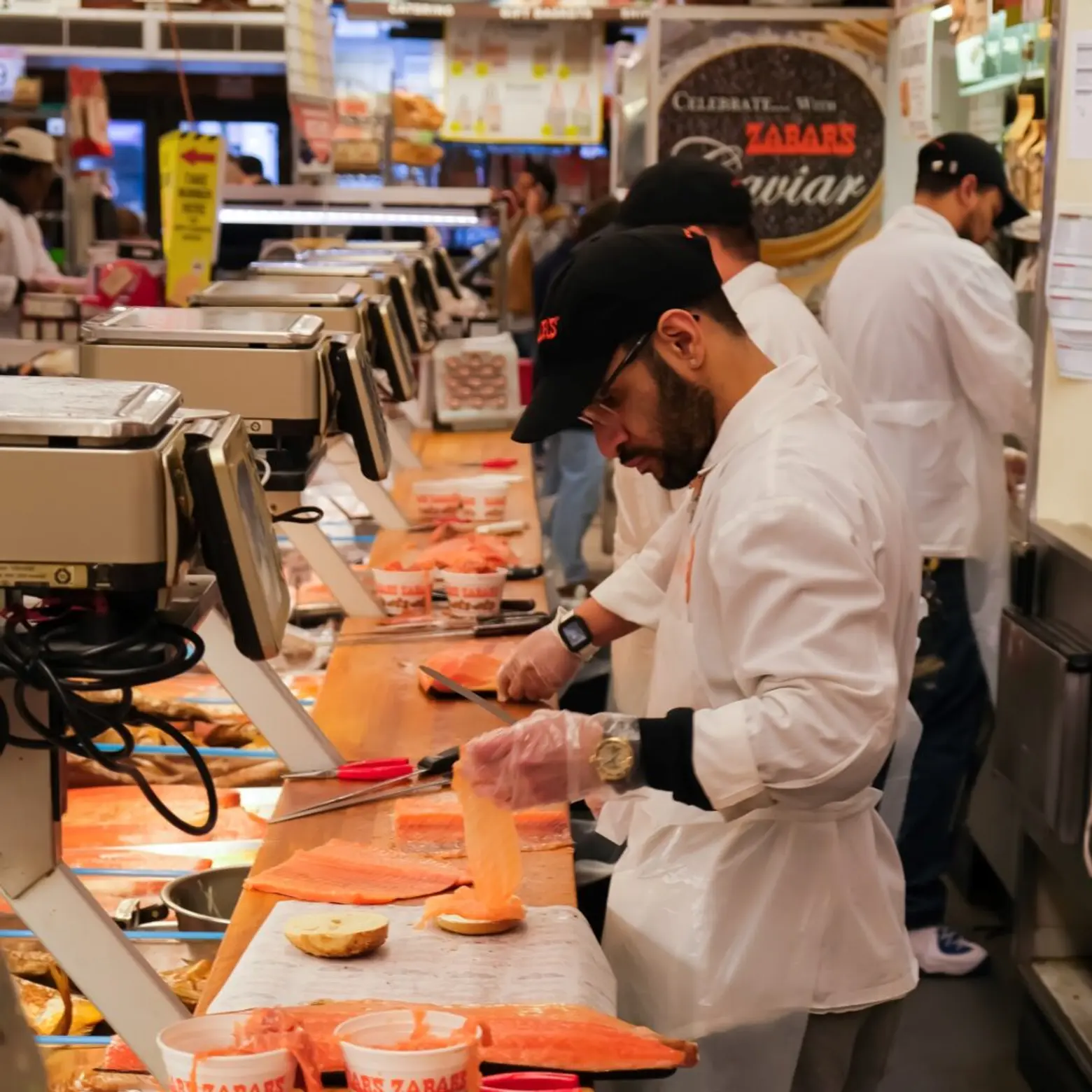
Now, the store has expanded across the block front and also offers its products online. Lines of customers still flock to watch as store workers carefully slice smoked fish, offer tastings of artisanal cheeses, display fresh-baked pastries, and roast its famed coffee blends.
Russ & Daughters
179 East Houston Street, Lower East Side
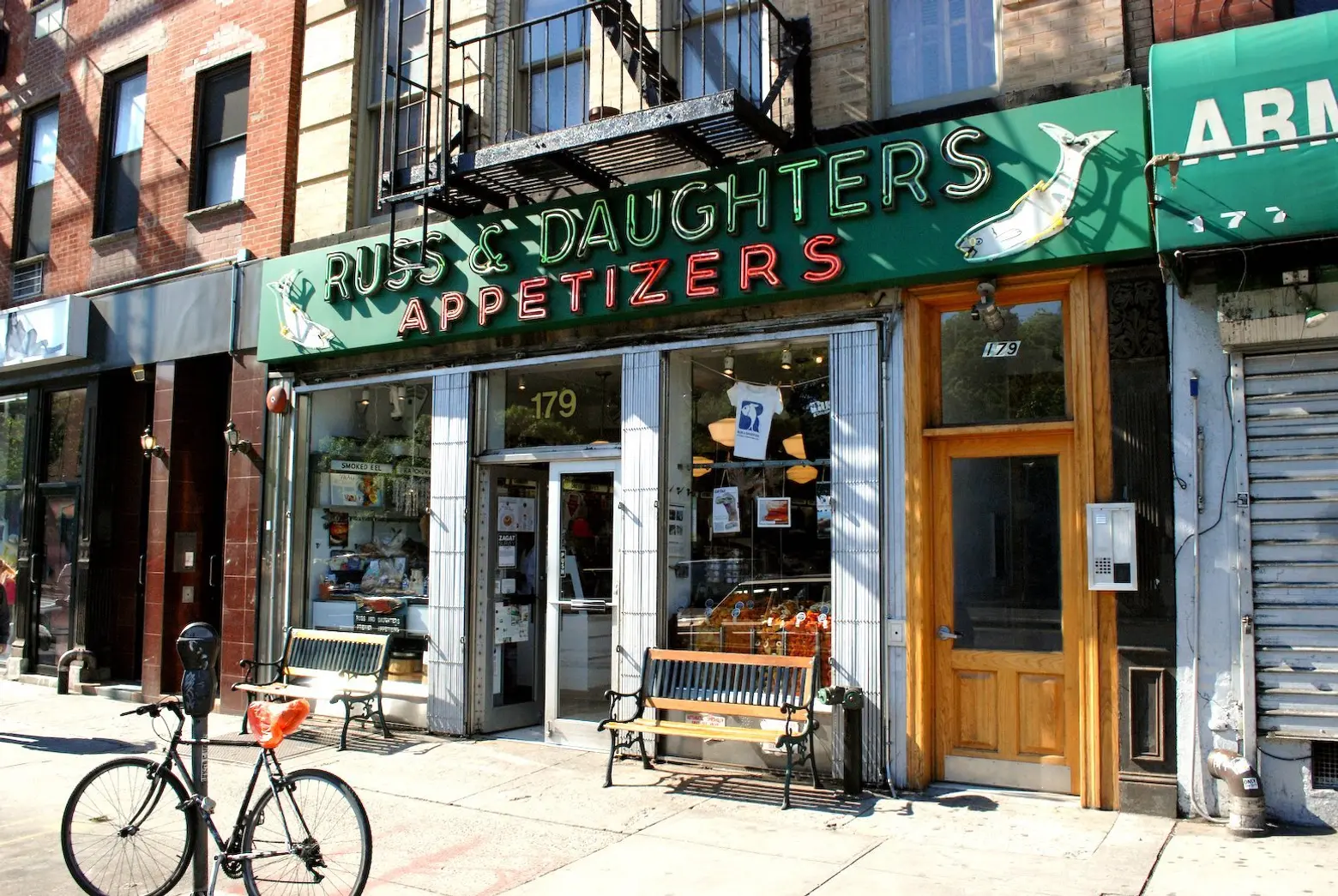
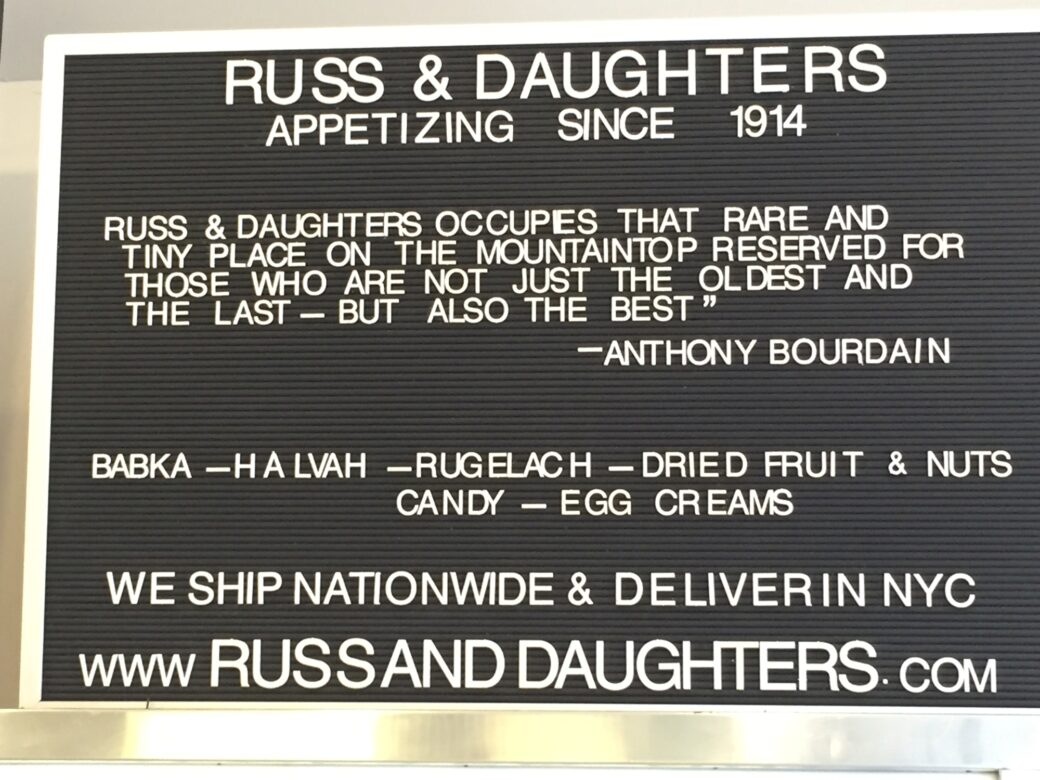
From its humble beginnings as a herring pushcart on the Lower East Side, Russ & Daughters has grown into an internationally recognized culinary establishment. The 112-year-old Jewish deli traces its roots to Joel Russ, a Jewish immigrant from Strzyzow, Poland, who sold herring from a pushcart around the neighborhood from 1904 to 1907 before saving enough money to sign a lease for an appetizing shop on Orchard Street in 1914.
After several successful years, the business moved to its current location at 179 East Houston Street. In 1933, Joel renamed the store “Russ & Daughters” after his three daughters: Hattie, Ida and Anne. It became the first known American business to use “& Daughters” in its name, according to the company’s website.
The business’s continued success over the decades led it to open its first Brooklyn location in 2019, featuring a retail counter and Jewish bakery at 141 Flushing Avenue in the Brooklyn Navy Yard. The location also serves as the company’s nationwide shipping facility.
In 2023, the company opened another location in Hudson Yards on the ground floor of the 50 Hudson Yards skyscraper at 34th Street and 10th Avenue. The 4,500-square-foot shop serves signature Jewish specialties, including smoked fish, bagels, bialys and babka, and offers seat-yourself dining, as well as caviar and a champagne bar.
Today, Russ & Daughters continues to offer a selection of appetizing foods for New Yorkers and international visitors alike, with its legacy carried on by fourth-generation owners and cousins Niki Russ Federman and Josh Russ Tupper.
One look at the original neon sign above its East Houston Street location transports visitors back to old New York and serves as a testament to the brand’s long and storied history.
Steakhouses
Old Homestead Steakhouse
56 9th Avenue, Meatpacking District
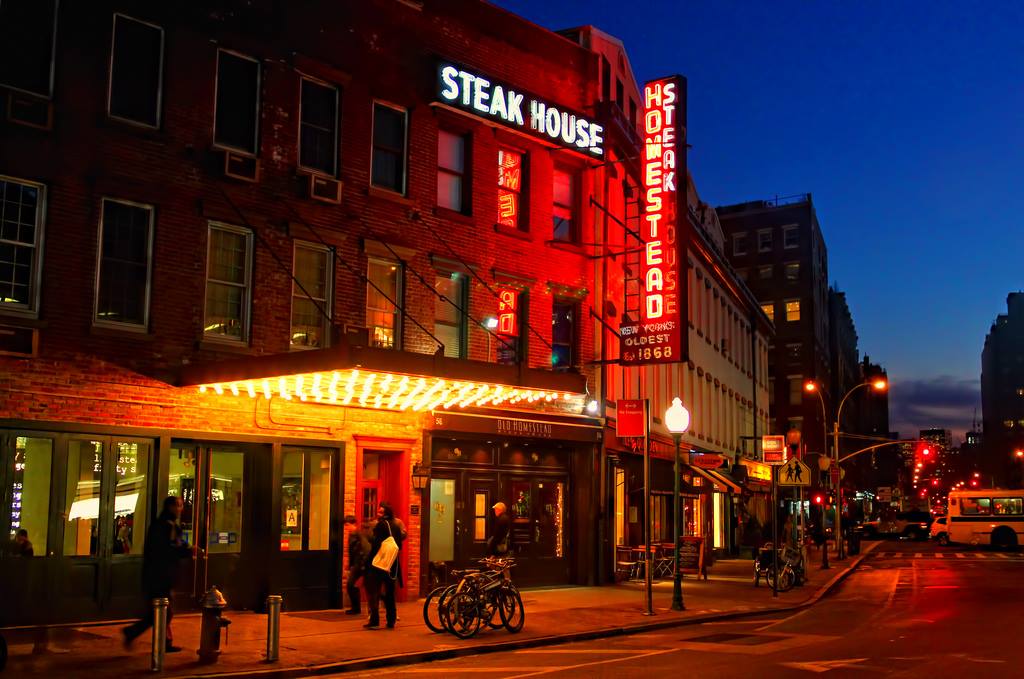
For more than 150 years, the Old Homestead Steakhouse has whipped up sizzling platters of porterhouses and chops from its long-time flagship in the Meatpacking District. As the oldest continuously operating steakhouse in the country, the restaurant has seen a lot change over the years, but as co-owners and brothers Greg and Marc Sherry admit, “not much has changed” since their family took over the business in the 1940s, according to their website.
The steakhouse came under the Sherry family’s ownership when Greg and Marc’s grandfather, Harry Sherry, rose from dishwasher to owner. Although the brothers were next in line to take over the restaurant, their grandfather made sure they started as dishwashers, busboys, and food preparation assistants, teaching them firsthand what it would take to carry on the family legacy.
In the 1990s, Old Homestead became the first steakhouse in the United States to introduce Japanese Wagyu beef. The brothers worked alongside the U.S. Department of Agriculture to help ensure Japanese beef producers met USDA standards, a process that ultimately contributed to the lifting of a federal ban on Kobe beef imports. That relationship has given Old Homestead close ties to Japanese beef producers, allowing patrons to enjoy some of the world’s most sought-after Wagyu.
Upon entering the steakhouse, guests are greeted by its charming old-world interior, where jazz music provides a fitting backdrop. Above the entrance rests the restaurant’s signature cow statue, Anabelle, reportedly gifted to the Sherry family by a Texan who loved the restaurant.
Keens Steakhouse
72 West 36th Street, Midtown
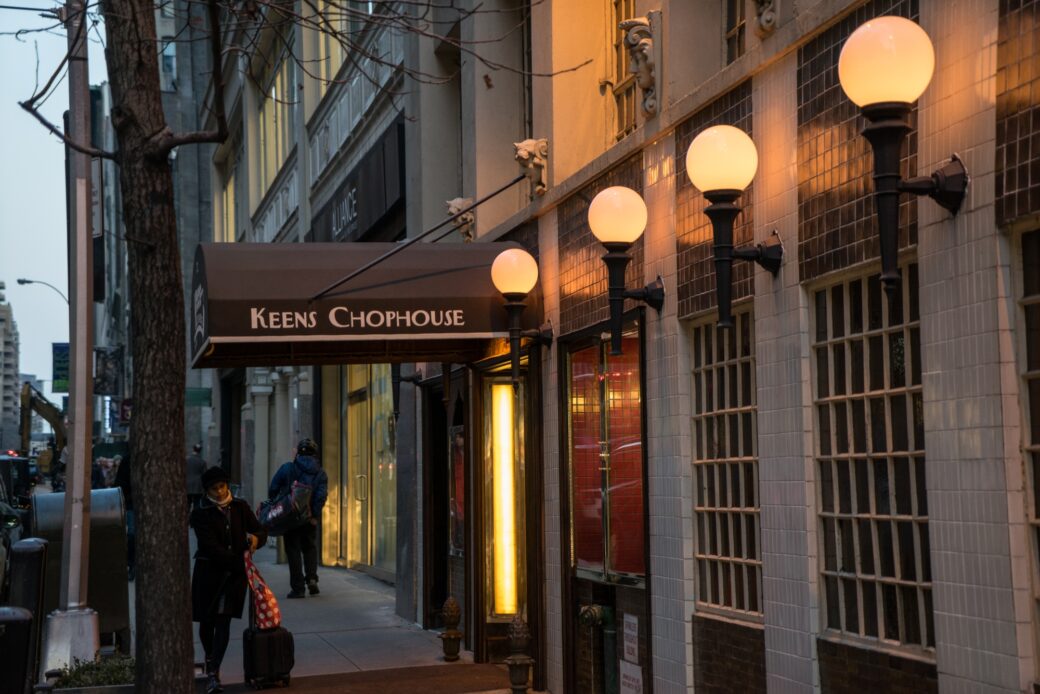
The history of Keens Steakhouse dates to 1885, when Albert Keen, manager of the famed theater and literary group The Lambs, opened the restaurant. As a prominent member of the former Herald Square Theater District, Keen quickly established the eatery as a popular gathering place for actors and stage workers, who would stop in between shows, according to the restaurant.
Keens did not serve women until the early 1900s, when English actress Lillie Langtry sued the restaurant after being denied entry and won her case, according to the New York Times. One of the restaurant’s upstairs dining rooms was later named in her honor.
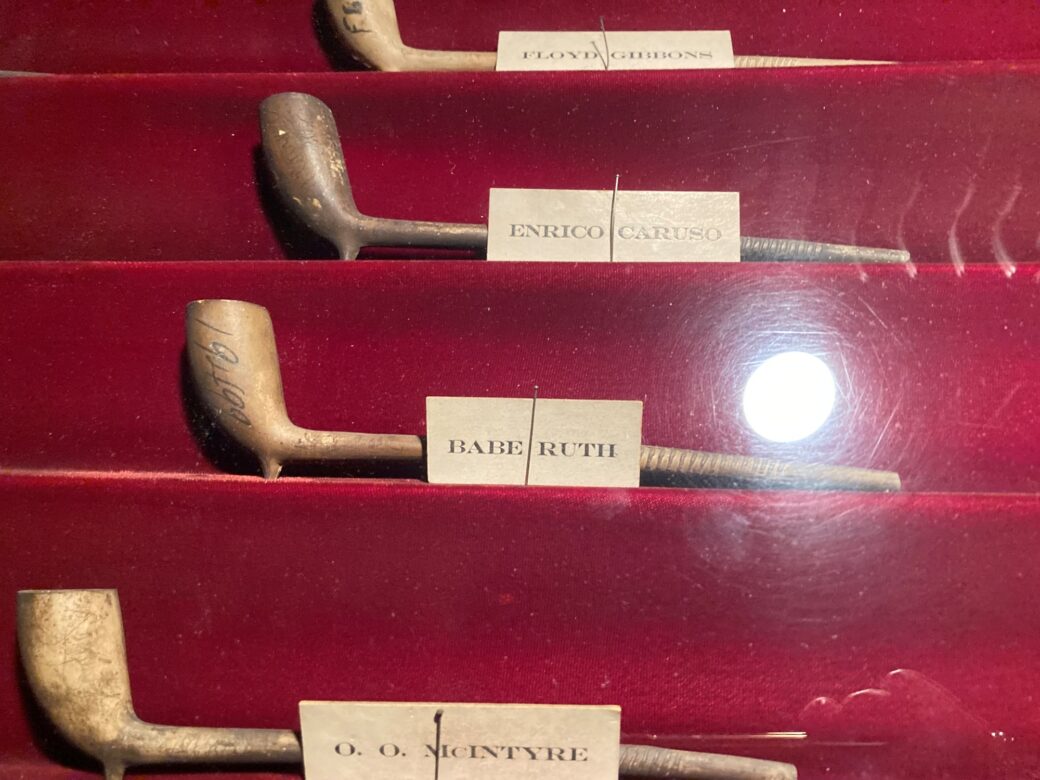
Beyond its long history, Keens is also known for another unusual distinction: It owns the world’s largest collection of churchwarden pipes. Originating from a 17th-century tradition in which patrons checked their pipes at their favorite inns, the Midtown steakhouse began collecting pipes in the early 1900s and now has pieces associated with Theodore Roosevelt, Babe Ruth, Albert Einstein, J.P. Morgan and other iconic figures.
Today, the steakhouse is the only surviving business from the former theater district and, after Old Homestead Steakhouse, is the second-oldest continuously operating steakhouse in NYC.
Sweet treats
Economy Candy
108 Rivington Street, Lower East Side
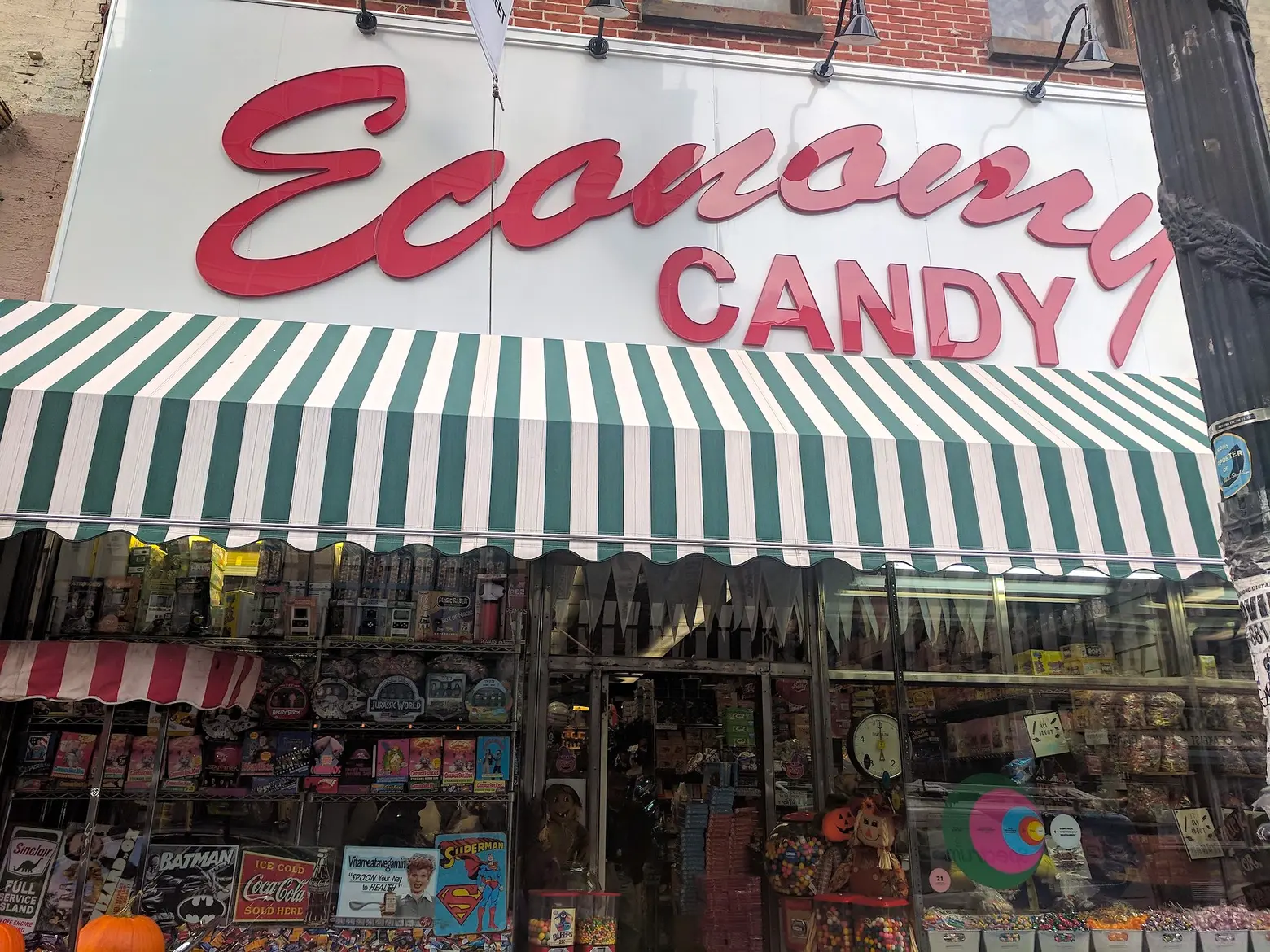
Standing as the oldest candy store in the five boroughs, Economy Candy has been satisfying generations of New Yorkers’ sweet tooths since 1937. The business began as a pushcart outside a shoe and hat repair shop on the Lower East Side during the Great Depression. When the cart started bringing in more business than the repair shop, it eventually transformed into a proper storefront at the corner of Rivington and Essex.
Upon returning home from World War II, Morris “Moishe” Cohen and his brother-in-law took over the business and expanded its offerings to include candy, chocolate, gift baskets, dried fruit, nuts and other treats. Moishe’s son Jerry and his wife, Ilene, joined the business full time in the 1980s, when the shop moved to its current location at 108 Rivington Street.
After his father retired, Jerry and Ilene took the reins and ran Economy Candy together for more than three decades. They have since passed ownership to their son Mitchell, who joined the family business in 2013, and his wife, Skye, who joined in 2016, according to the company’s website.

The rich history of Economy Candy was honored in 2023, when the corner of Rivington and Essex was co-named “Morris ‘Moishe’ Cohen Way” in honor of its founder. Cohen’s family had pushed for the co-naming since Moishe died at age 97 in 2015.
Earlier that year, the brand expanded for the first time in its more than 85-year history, opening a new location in Chelsea Market called “A Taste of Economy Candy.” The outpost is a smaller version of the original shop, offering a rotating selection of treats and classic candies that changes monthly.
Ray’s Candy Store
113 Avenue A, East Village
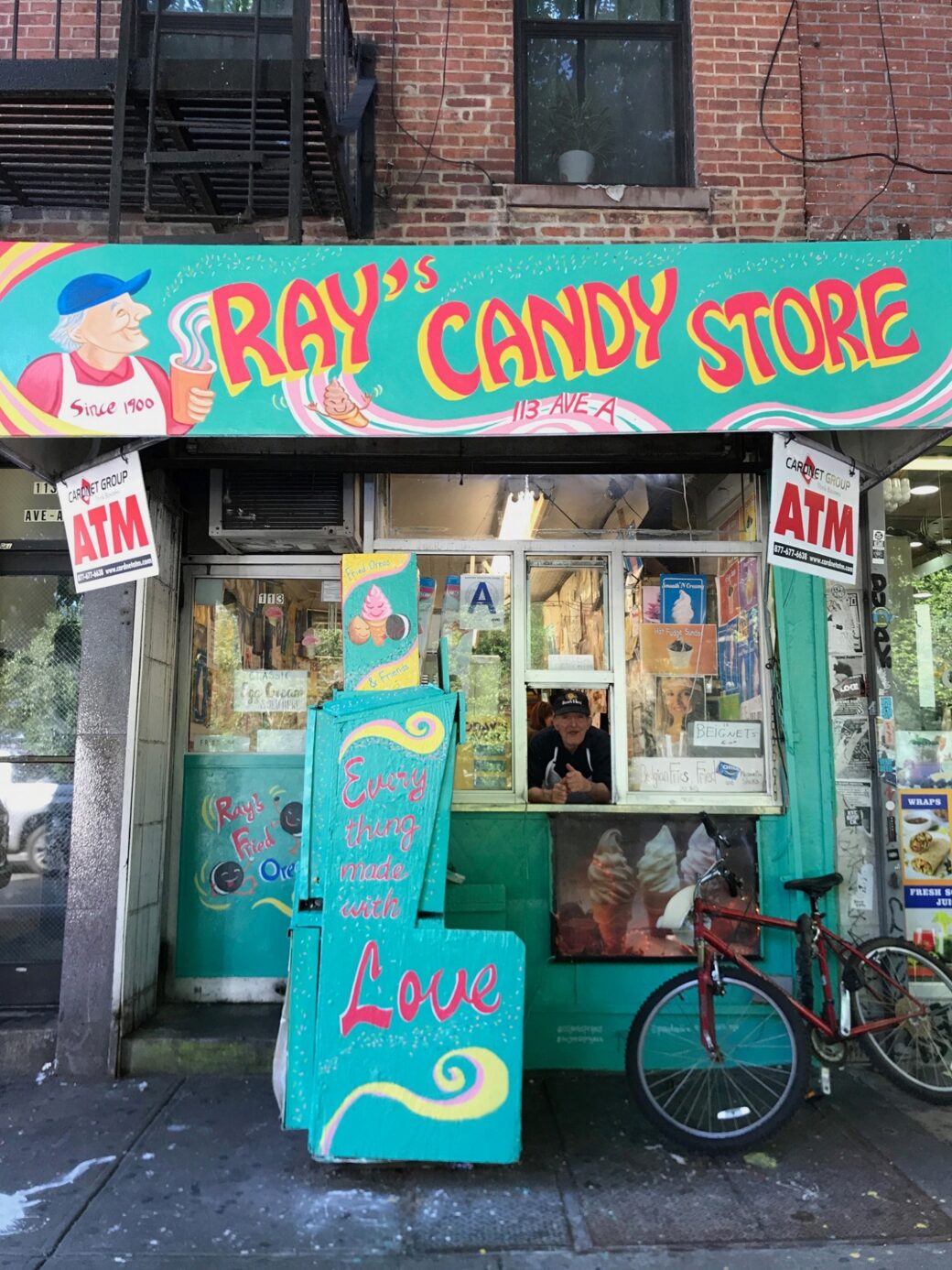
Ray’s Candy Store has been serving its signature egg creams, ice cream, and a multitude of other sweet and savory treats since 1974 under longtime owner Ray Alvarez. Born in Iran in 1933 as Asghar Ghahraman, Alvarez arrived in the United States in 1963 after deserting his ship while on tour with the Iranian Navy and swimming ashore in Virginia. After making his way to New York City, Alvarez worked for a decade as a dishwasher and waiter, saving $30,000 to purchase the store in 1974, according to the New York Times.
Since then, the store’s windows have framed the dramatic evolution of the East Village—and New York City as a whole—over the decades. In August 1988, when a riot broke out between police and protesters demonstrating against a newly imposed curfew in Tompkins Square Park, Ray’s remained open throughout the unrest. Alvarez told the Times he viewed all the “combatants” as “his customers.”
The candy store’s ties to significant moments in the city’s history expanded in 1992, when Curtis Sliwa, the red-bereted founder of the Guardian Angels, was kidnapped and shot by two gunmen after entering a stolen taxi outside the candy store.
Ray’s Candy Store remains one of the few places where New Yorkers out late in Lower Manhattan can count on finding the shop open, shining like a guiding light with no shortage of sweet treats.
Eddie’s Sweet Shop
105-29 Metropolitan Avenue, Forest Hills
When walking into Eddie’s Sweet Shop in Forest Hills and seeing its grand, ornate interior, it’s easy to think about the countless generations of New Yorkers who have enjoyed hot fudge sundaes and milkshakes behind the shop’s century-old marble countertops. Established in 1925, Eddie’s is the oldest ice cream parlor in the city, serving a wide variety of homemade ice cream flavors and decadent toppings for over 100 years.
History is immediately apparent upon entering Eddie’s. Its wooden-and-marble interior has remained virtually unchanged since the Citrano family purchased the shop from its previous owners in 1968, with the store’s refrigerator itself more than 80 years old, according to Time Out.
Vito Citrano, who now runs the business alongside his family, took over the shop from his father, Giuseppe. Vito makes the shop’s 18 ice cream flavors, whipped cream, and sauces by hand.
Cafes & other restaurants
Caffe Reggio
119 MacDougal Street, Greenwich Village
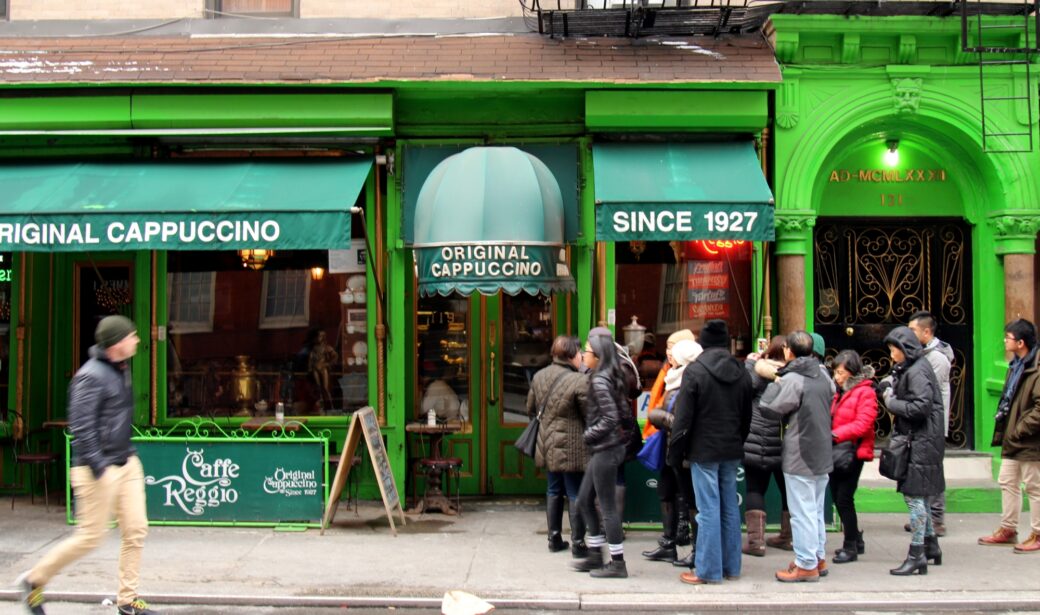
Over the course of its nearly 100-year history, Caffe Reggio in Greenwich Village has been a mainstay for New Yorkers, artists, musicians, and beatniks. The historic establishment, which claims to have introduced the cappuccino to Americans, still stands beneath its iconic green facade on MacDougal Street, serving its signature drink alongside lunch and dinner options.
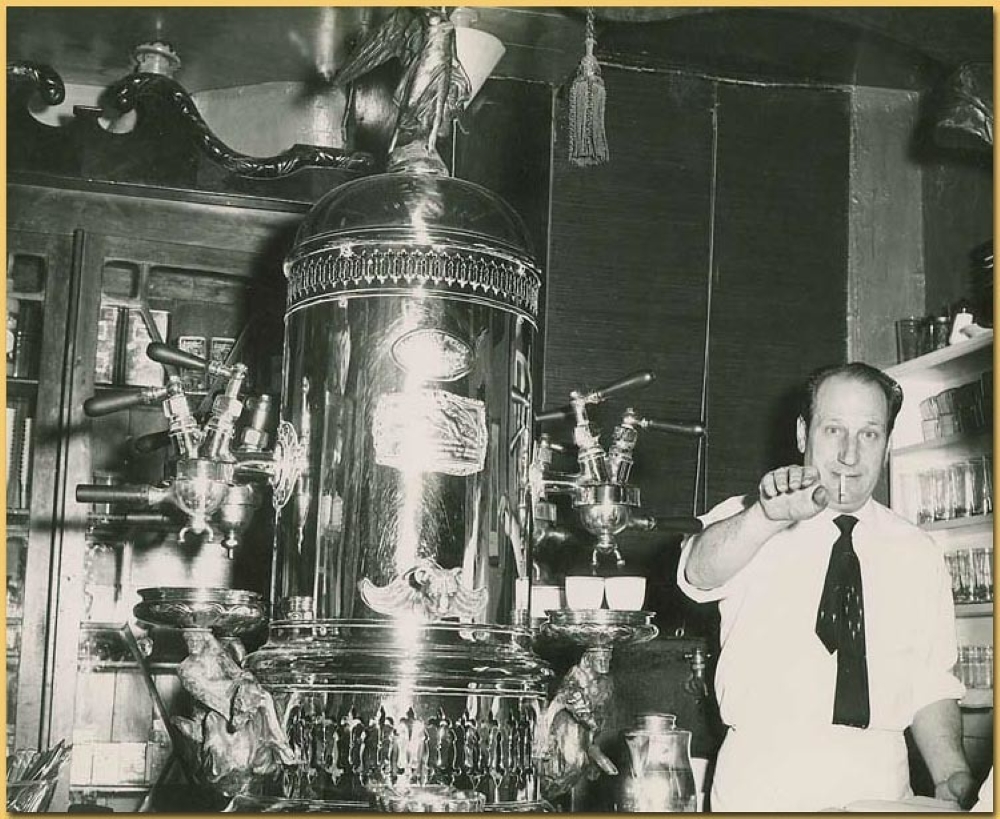
The cafe’s ornate 1902 Italian espresso machine serves as a testament to the cafe’s legacy through its glistening bronze exterior and intricate mechanics.
Domenico Parisi, who opened Caffe Reggio in 1927, spent his entire life savings—roughly $1,000—to purchase the machine, according to Village Preservation. As cappuccino grew popular in Italy at the start of the 20th century, Parisi is said to have brought the tradition to the United States, serving the drink in America for the first time.
Over the decades, the cafe stood as the neighborhood evolved around it. In the 1950s and ’60s, as the Village became a cultural hotspot for writers, musicians and beatniks, its walls hosted figures like Jack Kerouac, Allen Ginsberg and William S. Burroughs.
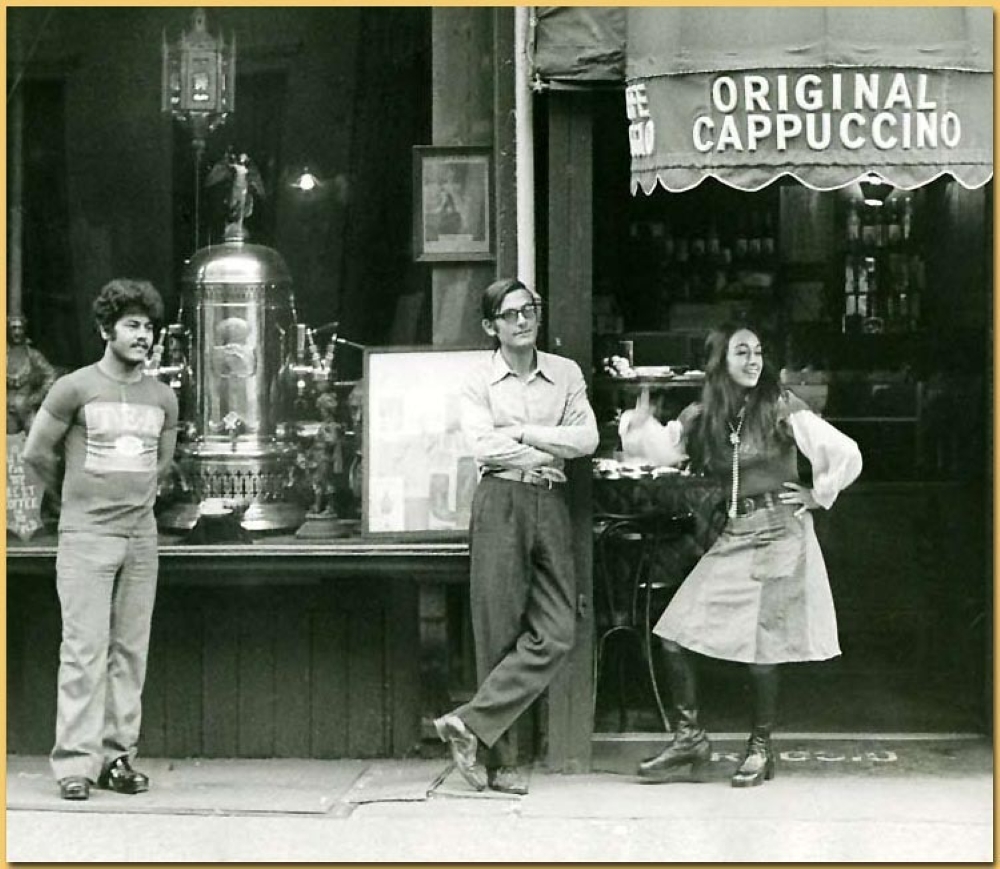
Soon after, legendary musicians such as Bob Dylan and Joan Baez frequented the storied space, along with many other cultural icons. The cafe also appeared in several films, including “The Godfather Part II,” “Serpico” and “Shaft.”
Today, visitors flock to the establishment to experience its history and, of course, its famed cappuccinos. Inside, a stunning array of antique artwork and furniture, some dating back to the Italian Renaissance, further evokes a sense of timelessness.
Nom Wah
13-15 Doyers Street, Chinatown
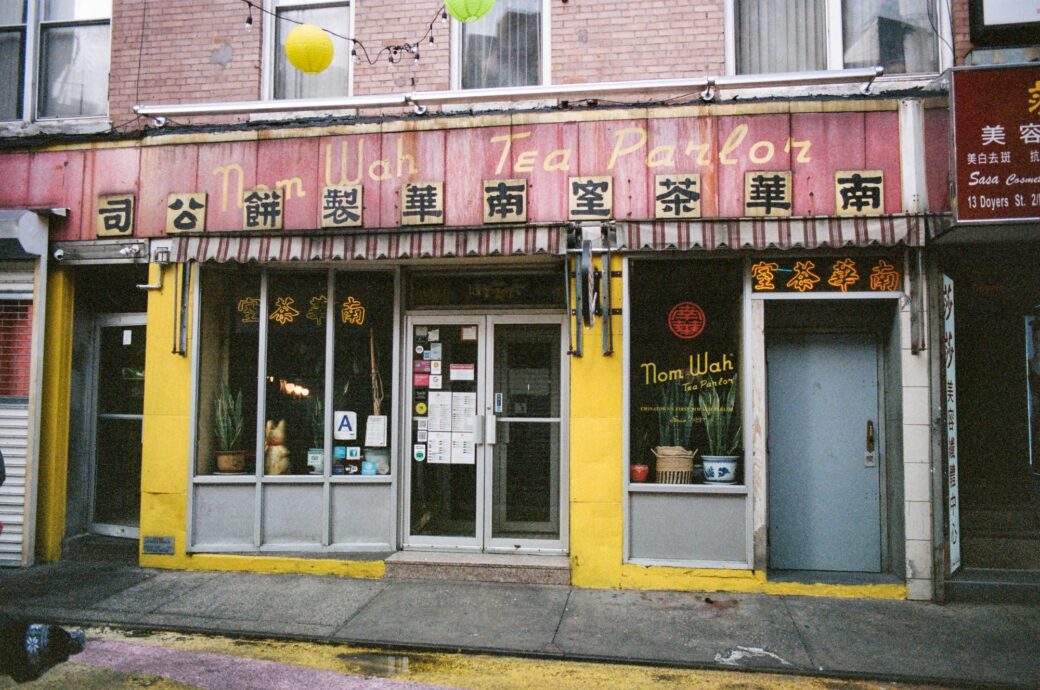
Chinatown’s oldest continuously operating restaurant, Nom Wah, has been serving Hong Kong-style dim sum for more than a century from its tea parlor and bakery on the neighborhood’s famed “Bloody Angle.” The restaurant opened its first location in 1920 at 13-15 Doyers Street, a sharply angled block whose layout provided an ideal blind spot for gangs seeking to ambush rivals. Its original owners are unknown.
In the 1950s, Wally Tang began working at the restaurant, gradually rising through the ranks to become store manager before taking ownership of the establishment in 1974. In 2010, Wally retired and passed the reins to his nephew, Wilson Tang, who has since expanded the brand to Philadelphia, opened fast-casual outposts across Manhattan, and begun shipping its dumplings nationwide.
He also transitioned the restaurant from a traditional dim sum establishment that used metal carts to a “made-to-order” format with a menu, according to the New York Times.
Nom Wah’s connection to pop culture grew further in 2014, when a scene from “The Amazing Spider-Man 2” was filmed at the restaurant. The following year, the Met Gala hosted a pre-party there.
Sylvia’s Restaurant
328 Malcolm X Boulevard, Harlem
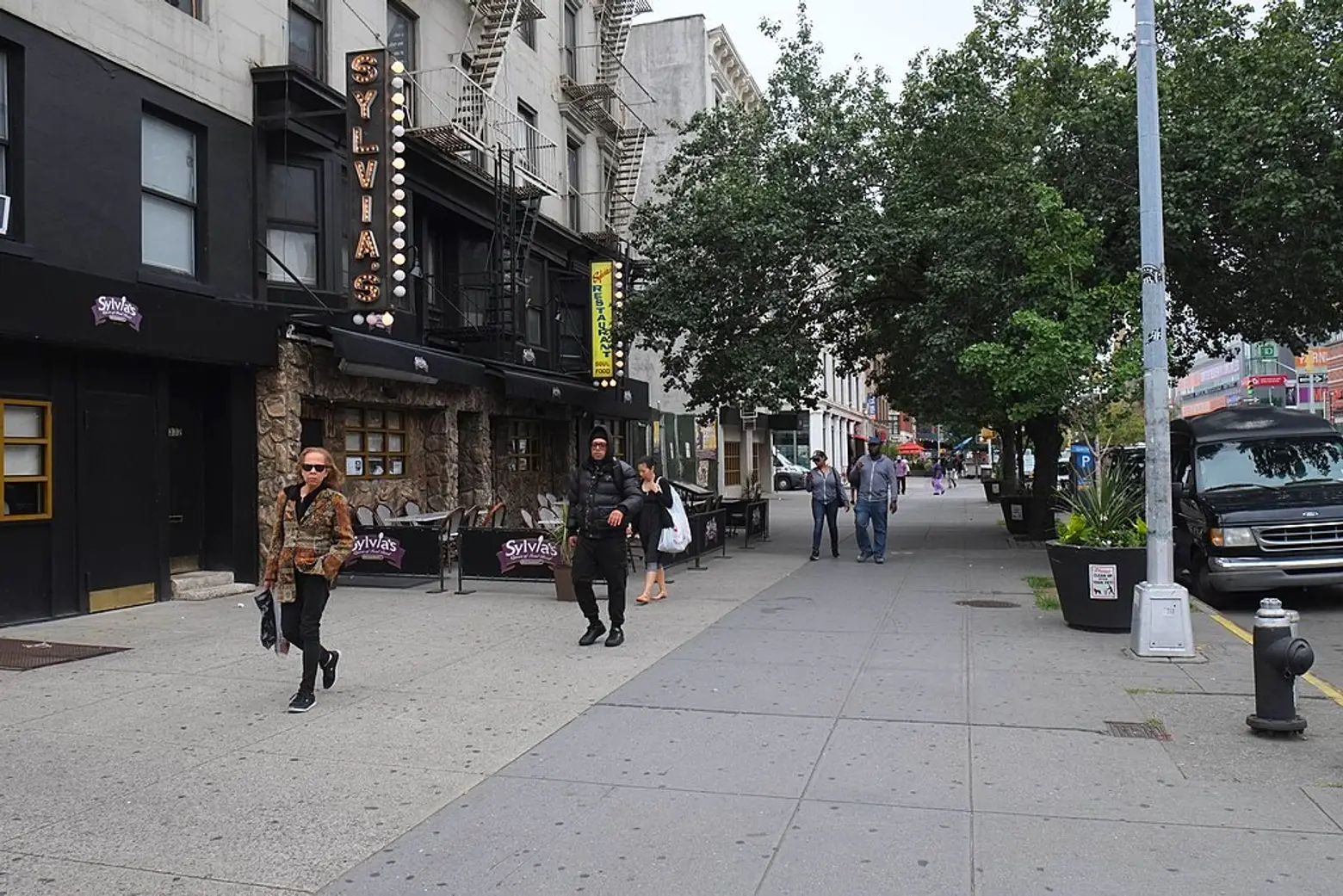
Sylvia’s has been serving Harlem with soul food, hospitality, and a strong sense of community since 1962, making it one of the oldest continuously Black-owned businesses in the five boroughs. Founded by Sylvia Woods, the business has grown from a modest eatery with a handful of tables into one of the neighborhood’s best-known restaurants, serving fried chicken, slow-simmered collard greens, mac and cheese, and a wide variety of other dishes.
Though Woods died in 2012, her legacy as the “Queen of Soul Food” lives on through the restaurant. She received numerous honors during her lifetime, including the Merit Award from former Mayor Michael Bloomberg, as well as citations from President Bill Clinton and Gov. George Pataki. In 2024, Sylvia’s was recognized by the James Beard Foundation, which named the restaurant one of “America’s Classics” for its contributions to American dining culture.
Sahadi’s
187 Atlantic Avenue, Brooklyn Heights
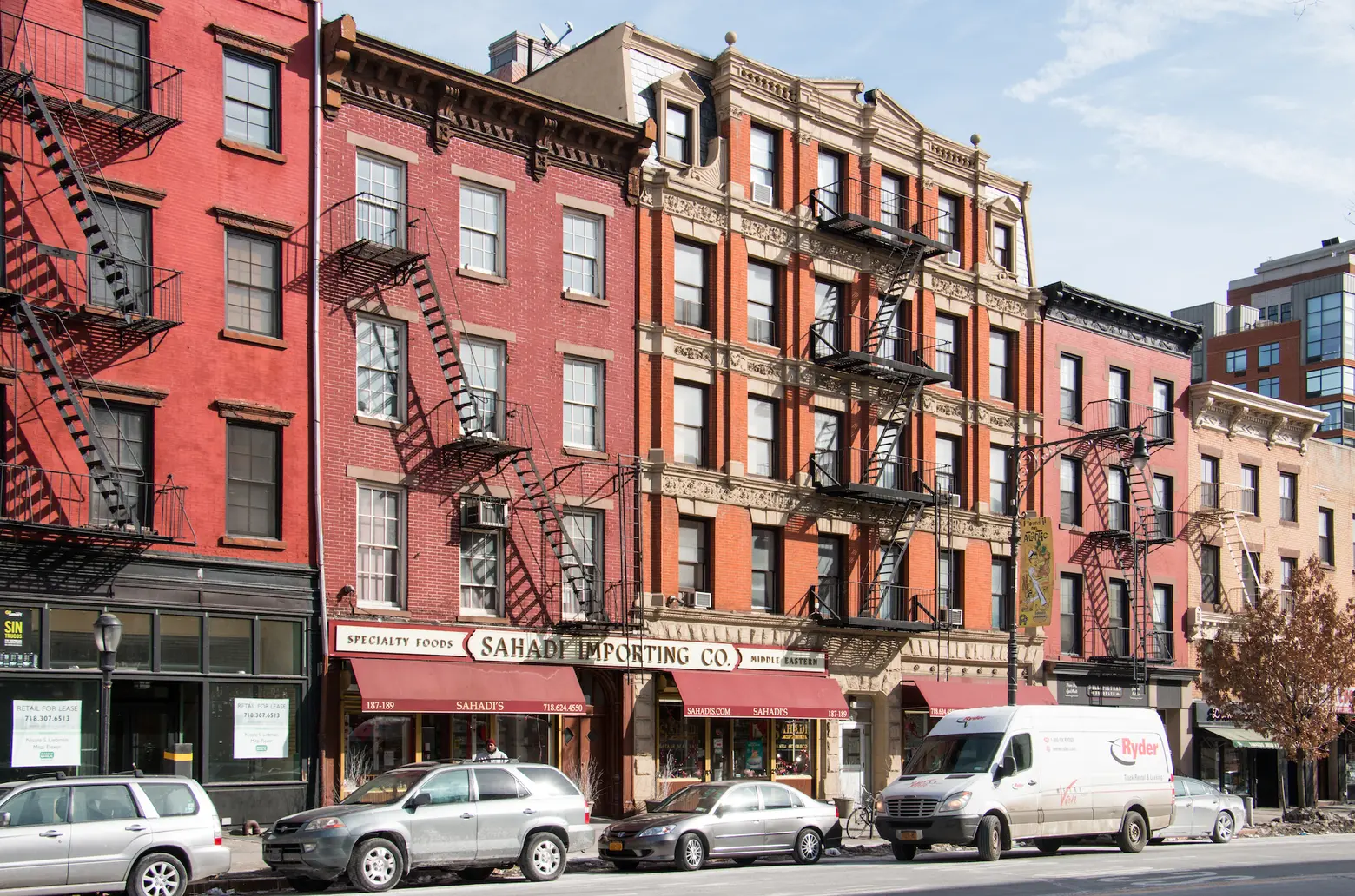
A NYC staple for more than 130 years, Sahadi’s first opened in Lower Manhattan in 1895 before moving to Brooklyn’s Atlantic Avenue, where it has remained ever since. Listed on the state’s Historic Business Preservation Registry in 2023, the Middle Eastern grocery store and cafe is known for its vast selection of more than 200 grains and spices, including bulk bins of freshly roasted nuts, imported olives and old-fashioned coffee beans. It has since expanded to include baked goods, homemade prepared foods and more.
First established in Lebanon, Sahadi Trading Company opened in Manhattan’s “Little Syria,” an area near the World Trade Center and Liberty Park that served as the center of the city’s Syrian community during the late 19th and early 20th centuries. In 1948, as construction of the Brooklyn-Battery Tunnel displaced the neighborhood, Sahadi’s relocated to Atlantic Avenue.
The corridor became known for its many Syrian businesses and, in the 1950s and ’60s, was known as the “Syrian shopping center of Brooklyn, Manhattan and New Jersey,” as 6sqft previously reported.
While Atlantic Avenue has changed significantly over the years, Sahadi’s has remained a cherished neighborhood institution. Today, the business is operated by fourth-generation owners Christine Sahadi Whelan and her brother, Ron Sahadi, along with Whelan’s husband, Pat Whelan.
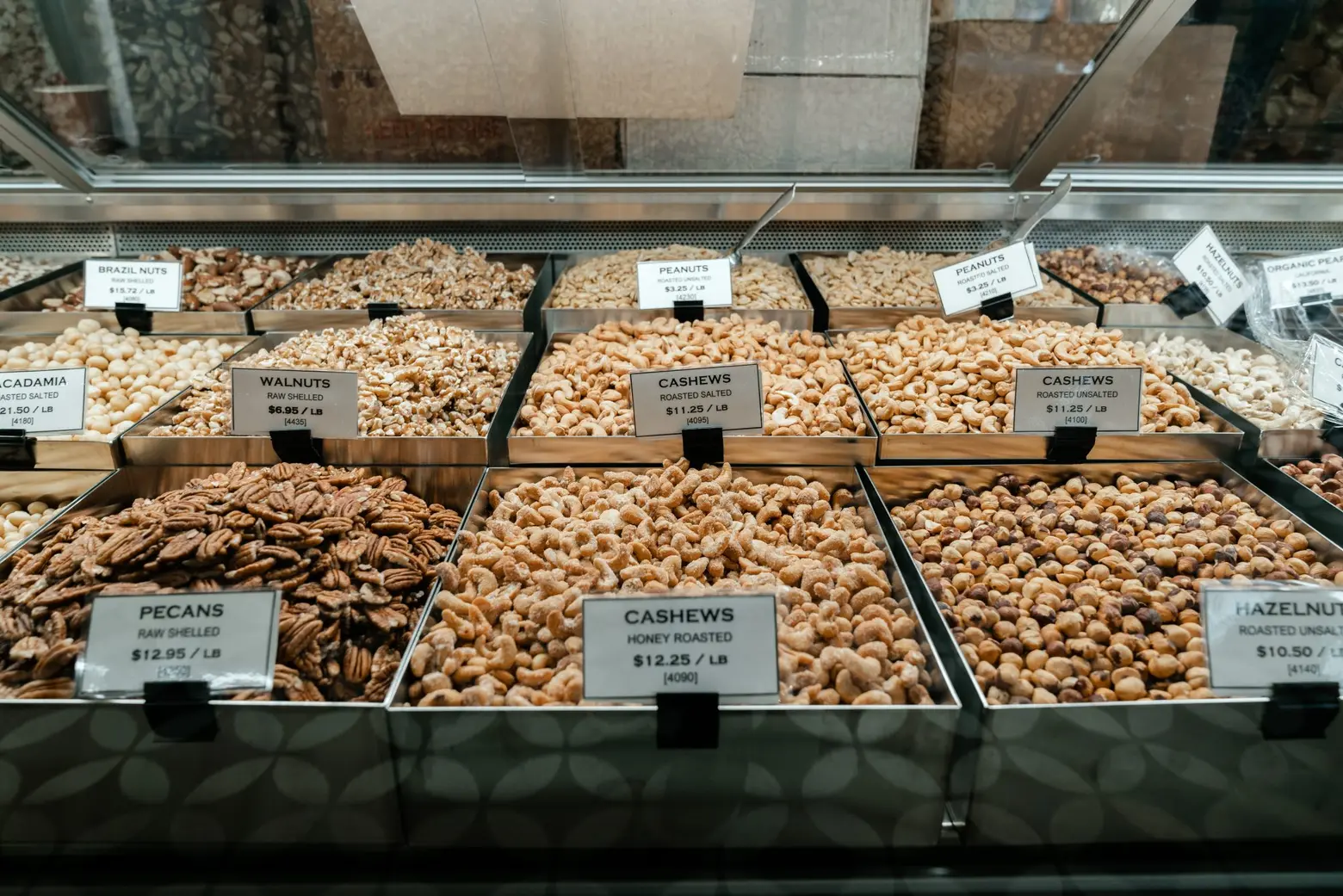
In 2019, Sahadi’s opened a second location at Industry City, marking the first expansion in its more than century-long history. The 7,500-square-foot space offers 80 seats, Lebanese wines on tap, daily meze specials, grab-and-go options and one of the city’s only operational Saj griddles.
A few years later, in 2023, Sahadi’s announced it would return to Manhattan after 75 years, opening a new outpost in Chelsea’s Pier 57 food hall with seated dining and bar service.
Bars & taverns
McSorely’s Old Ale House
15 East 7th Street, East Village
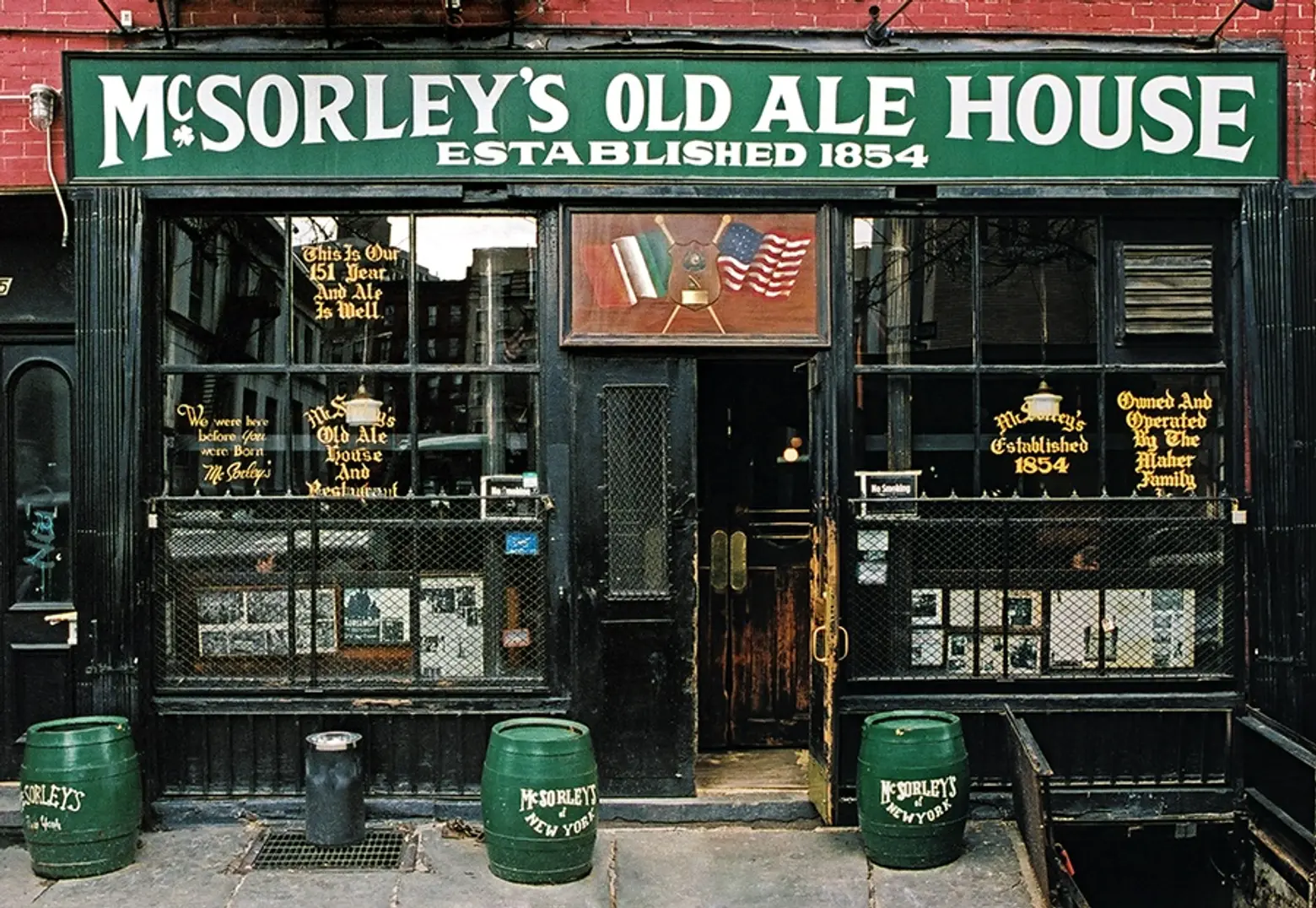
McSorley’s claims to be the oldest bar, and depending on how you count it, it might be correct. At the very least, the rustic watering hole’s sawdust-strewn floors and historic interior stand as evidence of its long and storied past. Established in 1854, the pub says it is NYC’s oldest continuously operating saloon. Over its 172-year history, it has seen generations of New Yorkers grace its tables and barstools for a pint of its “light” or “dark” ale, the only two alcoholic beverages it serves.
Originally opened as an all-male establishment, the tavern has seen much over the years, though its appearance might suggest otherwise. While female customers were admitted to most city bars by the 1960s, McSorley’s remained one of the last bars in the five boroughs to exclude women, adhering to its outdated credo of “good ale, raw onions, and no ladies.”
The policy remained in place even after the establishment was passed to former owner Daniel O’Connell’s daughter, Dorothy, in the 1930s. During the years she owned the business, she was reportedly only permitted inside on Sundays, after the bar had closed, according to their website.
A landmark 1970 court case brought by two female civil rights attorneys who were denied entry to the bar, Seidenberg v. McSorley’s, resulted in the creation of “McSorley’s Law,” which barred discrimination in bars, hotels, restaurants, airplanes, golf clubs and other public accommodations based on sex, as 6sqft previously reported.
Years later, in 1994, Teresa Maher, daughter of McSorley’s owner Matthew Maher, became the first woman to work behind the bar.
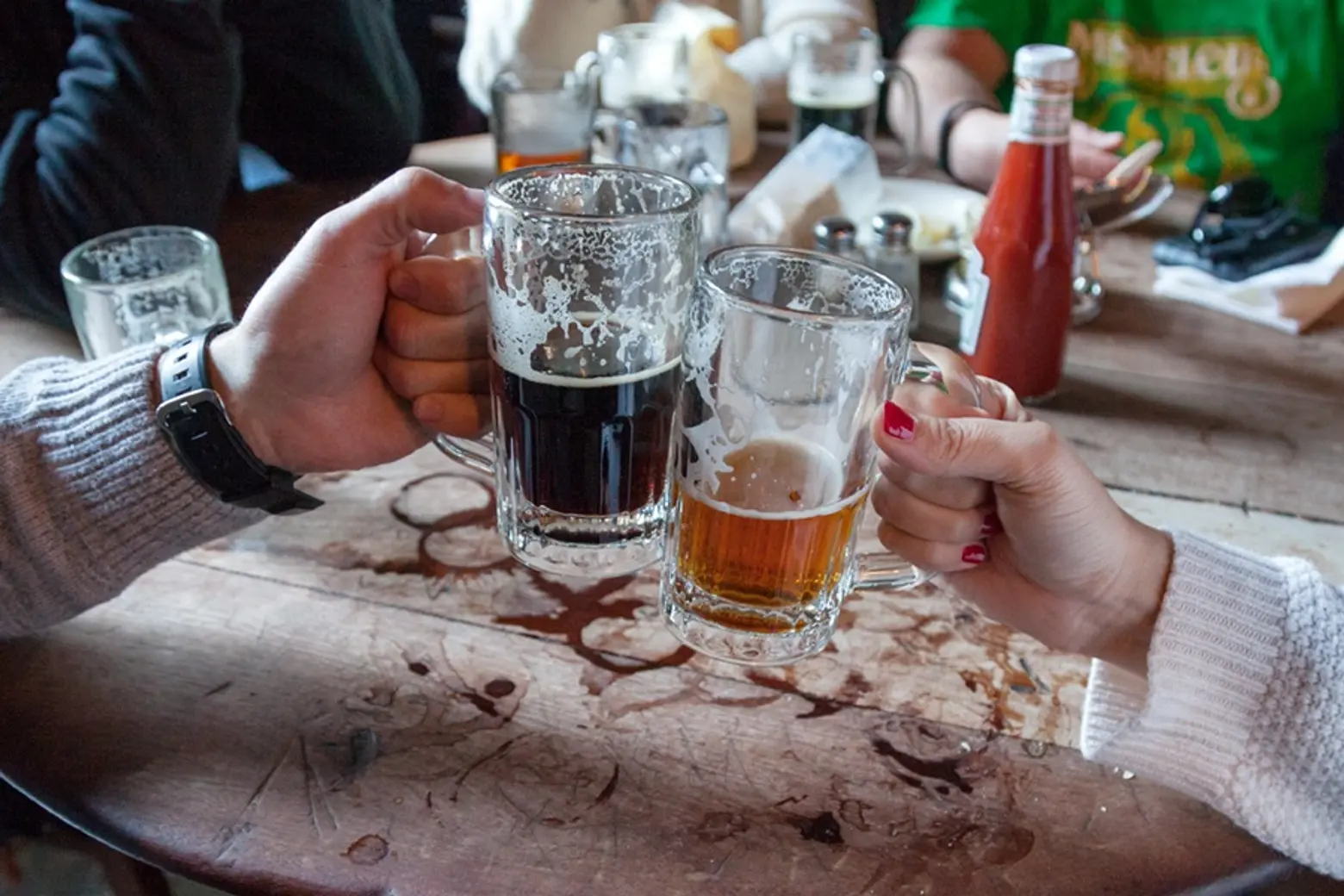
Droves of patrons still flock to the East Village to get a taste of the storied watering hole, enjoying its signature ales and good times with friends and strangers alike, as long as they follow McSorley’s golden rule: “Be Good or Be Gone.”
Neir’s Tavern
87-48 78th Street, Woodhaven
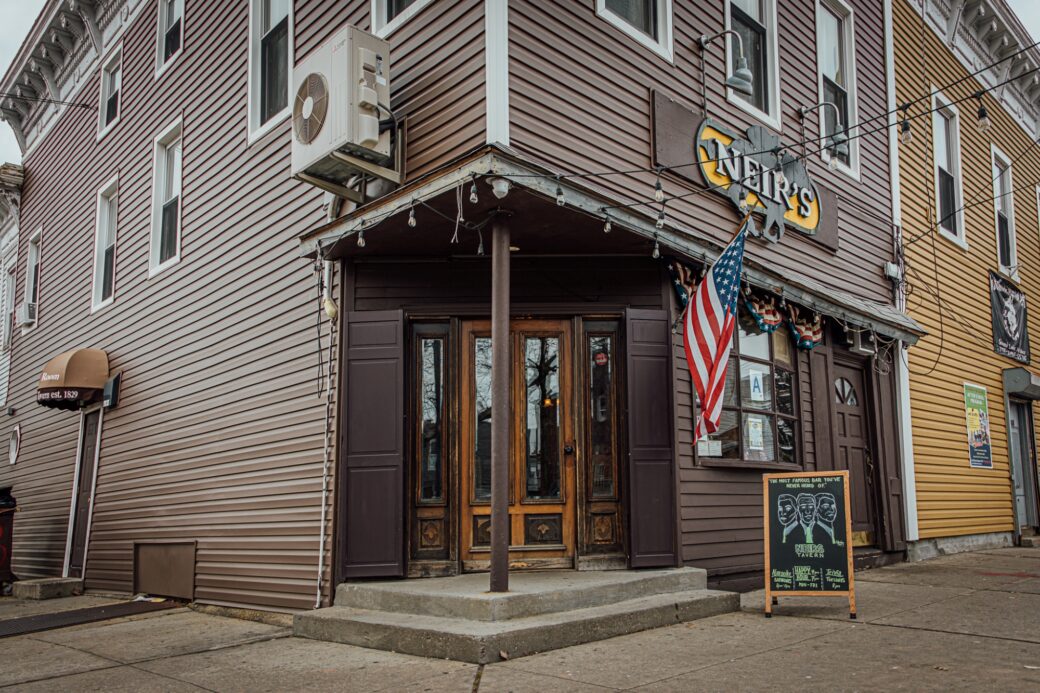
Nearing its 200th birthday, Neir’s Tavern in Queens is the “most famous bar you’ve never heard of,” occupying the corner of 78th Street and 88th Avenue in Woodhaven since 1829, nearly 70 years before the borough was incorporated into NYC. It is the longest continuously operating bar in the five boroughs and one of the oldest in the entire country.
Neir’s was originally called “The Blue Pump Room,” established across the street from the Union Course Racetrack. On race days, the venue drew crowds of up to 70,000, prompting the construction of several hotels to accommodate visitors and the establishment of the tavern. In 1888, when the racetrack closed, Louis Neir purchased the tavern and gave it the name it still carries today, according to Seton Hall University.
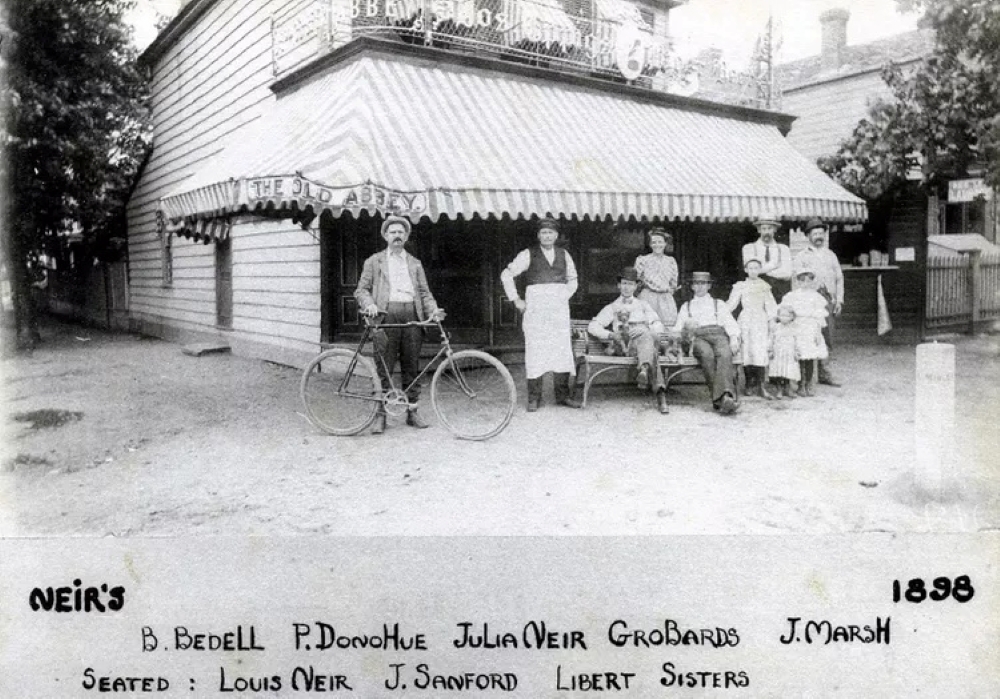
Neir expanded the watering hole, adding a ballroom, a bowling alley and space upstairs for a hotel. Famed actress, singer and entertainer Mae West reportedly gave one of her first performances at Neir’s Tavern as a child. Some historians also say the bar remained open during Prohibition as a speakeasy.
The bar’s connection to show business evolved further in the 1990s, when a scene from the classic mob film “Goodfellas” was filmed at Neir’s. Actors including Robert De Niro, Joe Pesci, Ray Liotta and Lorraine Bracco appeared in the scene.
As Woodhaven changed around Neir’s over the years, the bar’s status as a communal gathering place persisted. Generations of New Yorkers have celebrated milestones there, including having their first-ever drink, a tradition that has become part of the tavern’s legacy.
The tavern came to the brink of closure. In 2009, a local FDNY member and his group of friends purchased and restored the bar, but the building was sold to new owners in December 2018 without their knowledge, as 6sqft previously reported. Unable to negotiate a new affordable, long-term lease, the group faced the prospect of losing the tavern. However, former Mayor Bill de Blasio stepped in to help save the bar from closing.
Fraunces Tavern
54 Pearl Street, Financial District
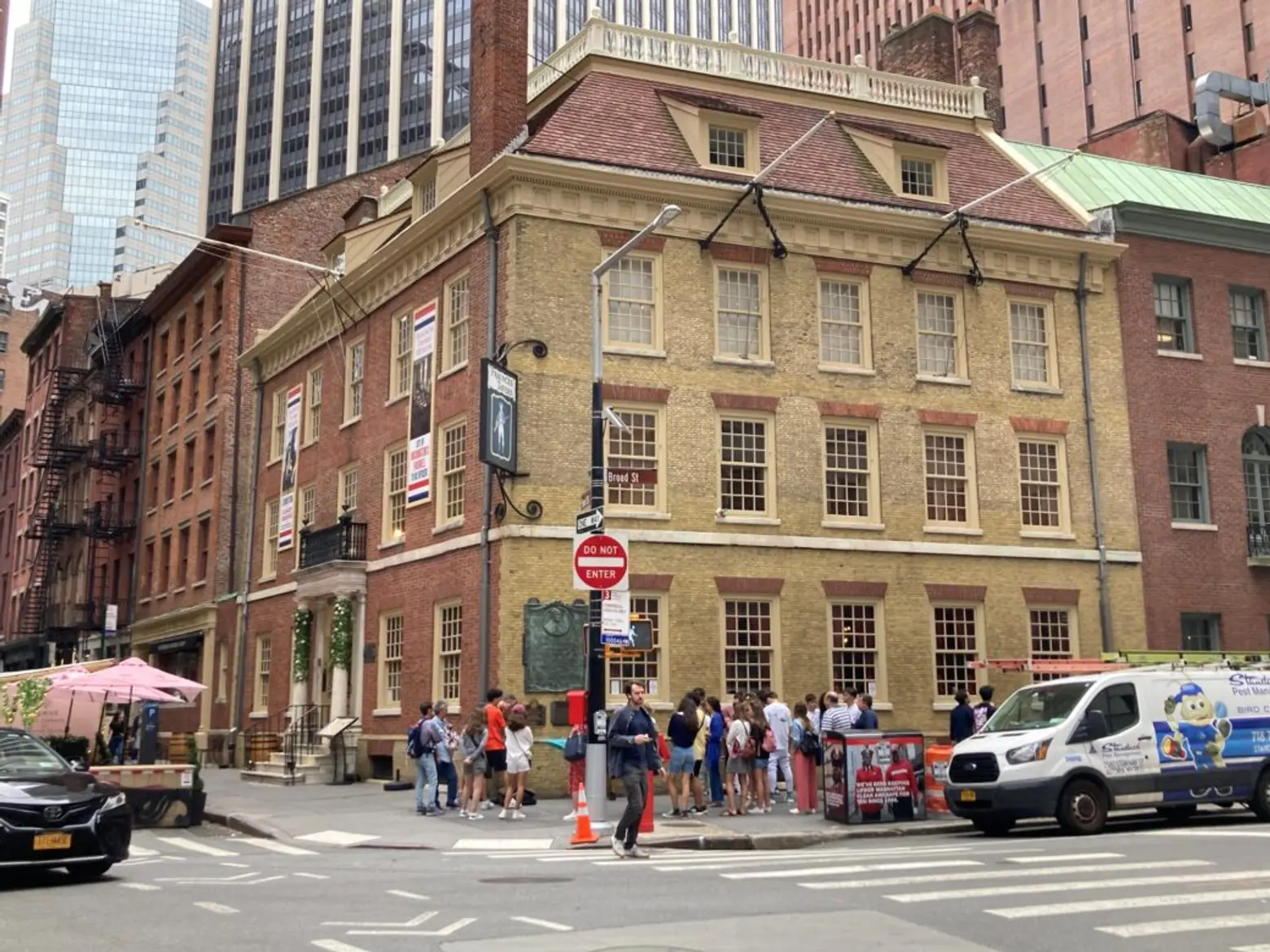
No establishment in NYC is perhaps more synonymous with its revolutionary history than Fraunces Tavern in the Financial District. Constructed in 1719, the tavern calls itself the “oldest standing structure in Manhattan,” with a storied past that placed it at the center of the nation’s founding. The tavern is named for Samuel Fraunces, a patriot, spy, steward and gourmand who bought the former De Lancey Mansion and turned it into one of the city’s most popular watering holes.
Originally called “The Queen’s Head,” the tavern thrived among the wharves along the city’s waterfront. It became a hotspot for merchants, travelers, traders, and other seafarers, eventually becoming so integral to the region’s trade that the New York Chamber of Commerce was founded at the tavern in 1768, as 6sqft previously reported.
Less than a decade later, the Sons of Liberty made the tavern one of their favorite gathering places, and in 1774, they planned their New York Tea Party there. On August 23, 1775, Fraunces Tavern became directly involved in the Revolutionary War when an 18-pound British cannonball crashed through its roof.
As the centuries passed, the tavern was saved from being lost to history several times. In 1900, the Daughters of the American Revolution led a campaign to save the structure from demolition, and in 1903, the city acquired Fraunces Tavern through eminent domain, designating the property as a park.
The following year, the Sons of the Revolution in the State of New York purchased the building, prompting the city to withdraw its park designation. In 1907, the group began restoring and reconstructing the building as a restaurant and museum.
In 1965, the same year the city’s Landmarks Preservation Commission was founded, the agency designated Fraunces Tavern a NYC landmark. The building was added to the National Register of Historic Places in 2008. Today, the museum is open seven days a week, offering visitors an intimate glimpse into its historic interior and the city’s revolutionary past.
Specialty shops
Argosy Book Store
116 East 59th Street, Midtown
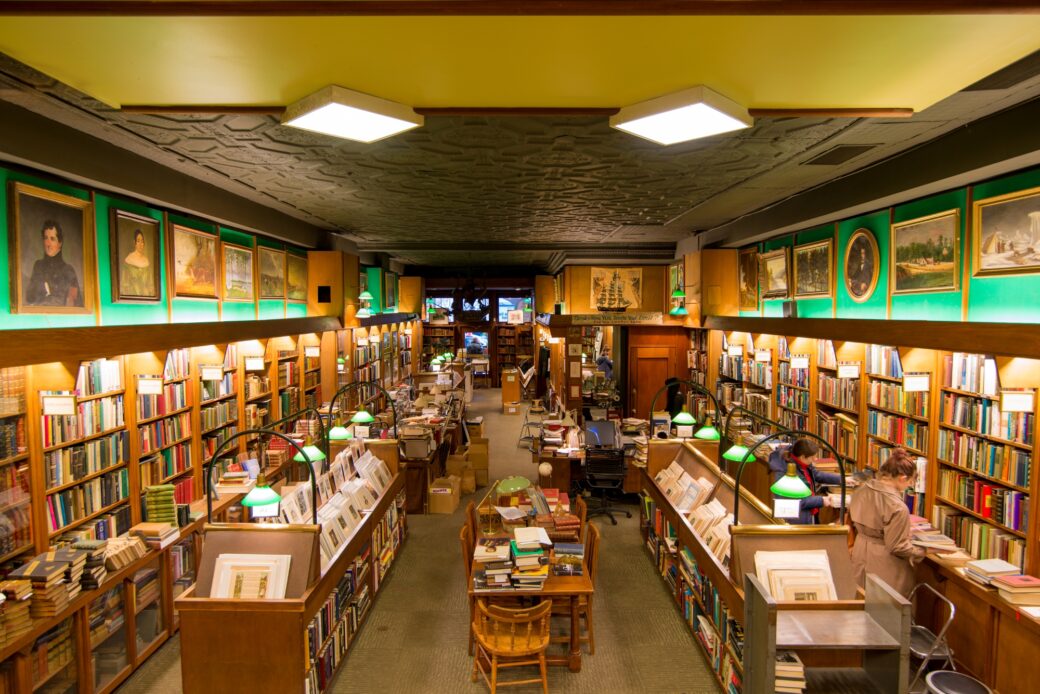
Founded in 1925, Midtown’s Argosy Book Store has reached the century mark. Now in its third generation of family ownership, the store offers a vast collection of old and rare books across six floors of wall-to-wall shelves. Established by Louis Cohen, the shop originally stood along Fourth Avenue’s book row before moving to East 59th Street in the 1930s, according to ABC News.
The store offers a selection of antiquarian and out-of-print items, specializing in Americana, modern first editions, autographs, art, photography, antique maps and prints. It also offers thousands of books across a wide range of fields. For years, New Yorkers in search of the perfect gift have shopped at Argosy’s.
Casa Amadeo
786 Prospect Avenue, Longwood
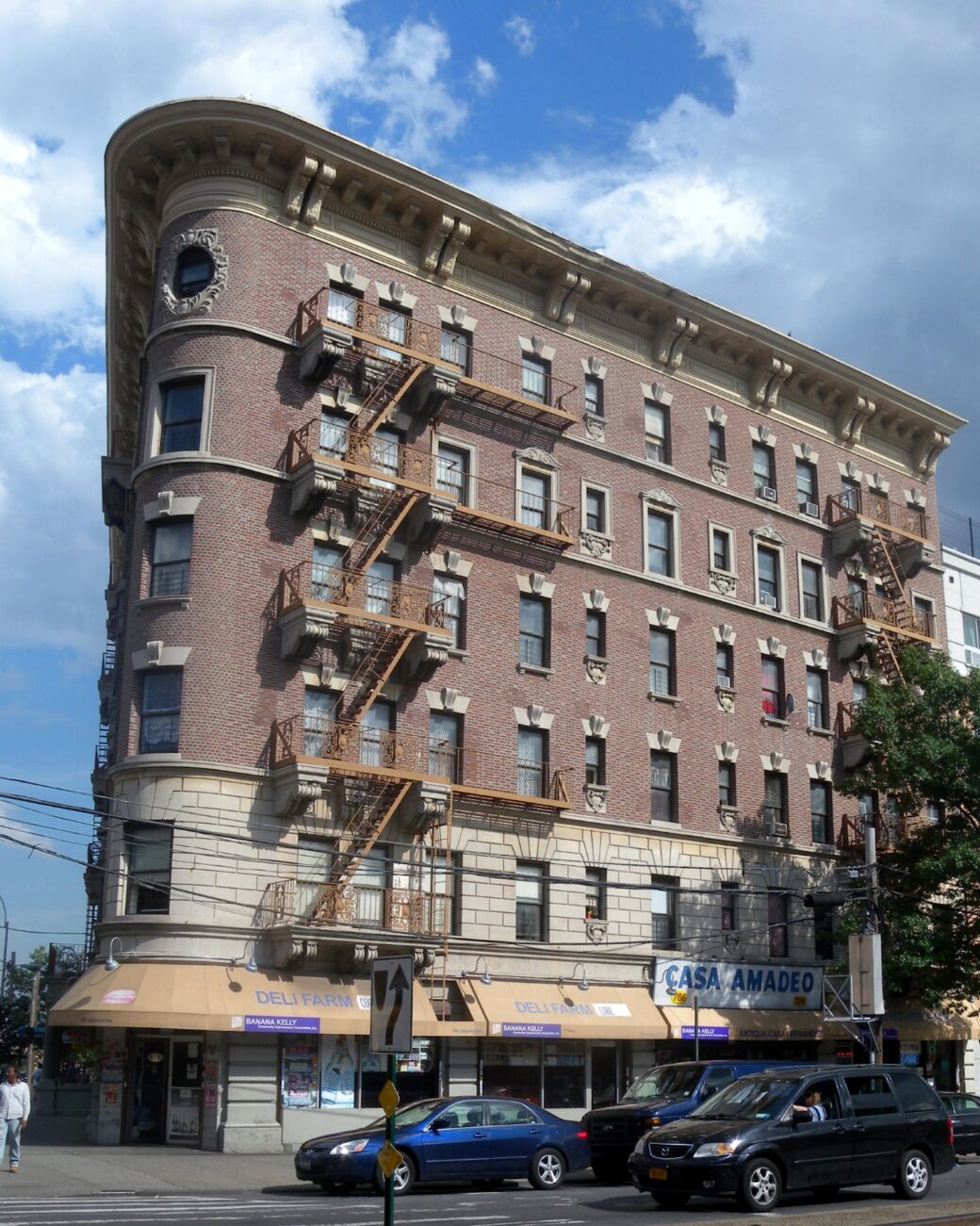
The Bronx’s Casa Amadeo is the city’s oldest continuously operating Latin music store. Currently located in Longwood, Casa Amadeo’s story begins in East Harlem, where owners Victoria and Rafael Hernández became influential figures in the blossoming Latin music scene after migrating from Puerto Rico in 1919, according to the National Park Service.
In 1927, Victoria opened what might have been the first Puerto Rican-owned music store in NYC, Almacenes Hernández at 1724 Madison Avenue. The store supported the family and gave Rafael the time to focus on his music, which he would later become one of the most renowned composers in Latin America. The couple sold the store to a Puerto Rican record producer in 1939.
Two years later, in 1941, the couple opened Casa Hernández in Longwood, occupying ground-floor retail space at the Manhanset apartment building, which was added to the National Register of Historic Places in 2001.
In the decades that followed, Casa Amadeo played a central role in the burgeoning Latin music scene of the mid-20th century, becoming a gathering place for musicians and a destination for new listeners looking to discover Latin music.
Today, Casa Amadeo retains many of its original features and continues to serve as a music hub for the community, preserving an archive of music for musicians and listeners alike. It remains one of the few surviving spaces that reflects the heyday of the Bronx’s Latin music scene.
C. O. Bigelow
414 6th Avenue, Greenwich Village
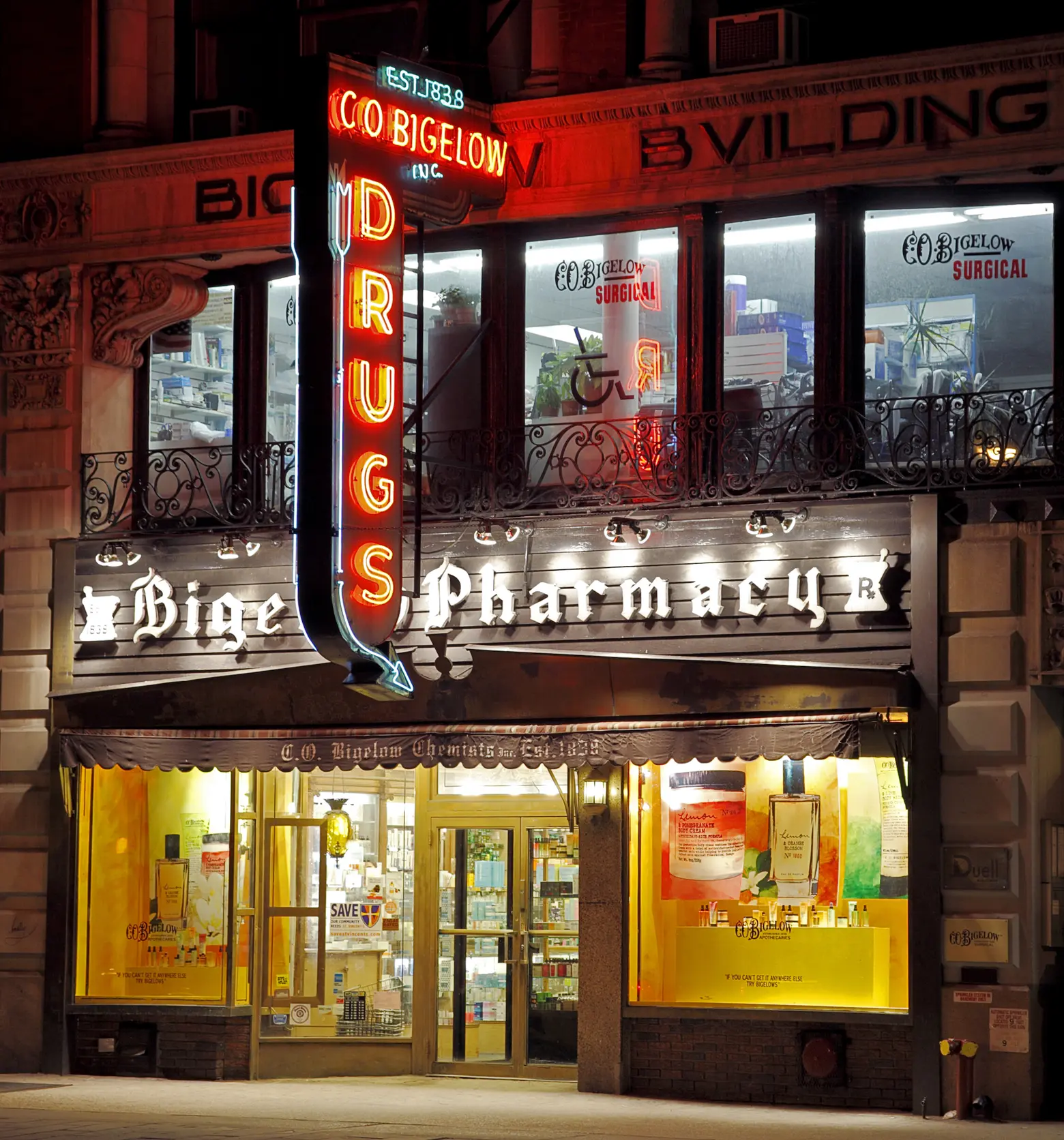
Standing as the oldest apothecary in the United States, C. O. Bigelow’s Greenwich Village location is a time capsule and an NYC institution, serving the health needs of everyone from Mark Twain to Eleanor Roosevelt.
Established in 1838 at 102 Sixth Avenue by Dr. Galen Hunter as The Village Apothecary Shop, the pharmacy offers a degree of personalized attention rarely found at today’s large chain pharmacies.
In 1855, the store was sold to employee George Hooper, who in 1870 created its signature Lemon Body Cream, which remains one of the store’s most sought-after products. Ten years later, the store was again sold, this time to another employee, Clarence Otis Bigelow, who renamed it after himself, according to City Lore.
In 1860, the store relocated to its current location at 414 Sixth Avenue, now part of the Greenwich Village Historic District. In 1939, it was purchased by William Ginsberg, who passed it on to his son in the 1950s. His grandson, Ian, grew up working in the shop and joined the business in 1985. He remains the brand’s third-generation pharmacist and owner.
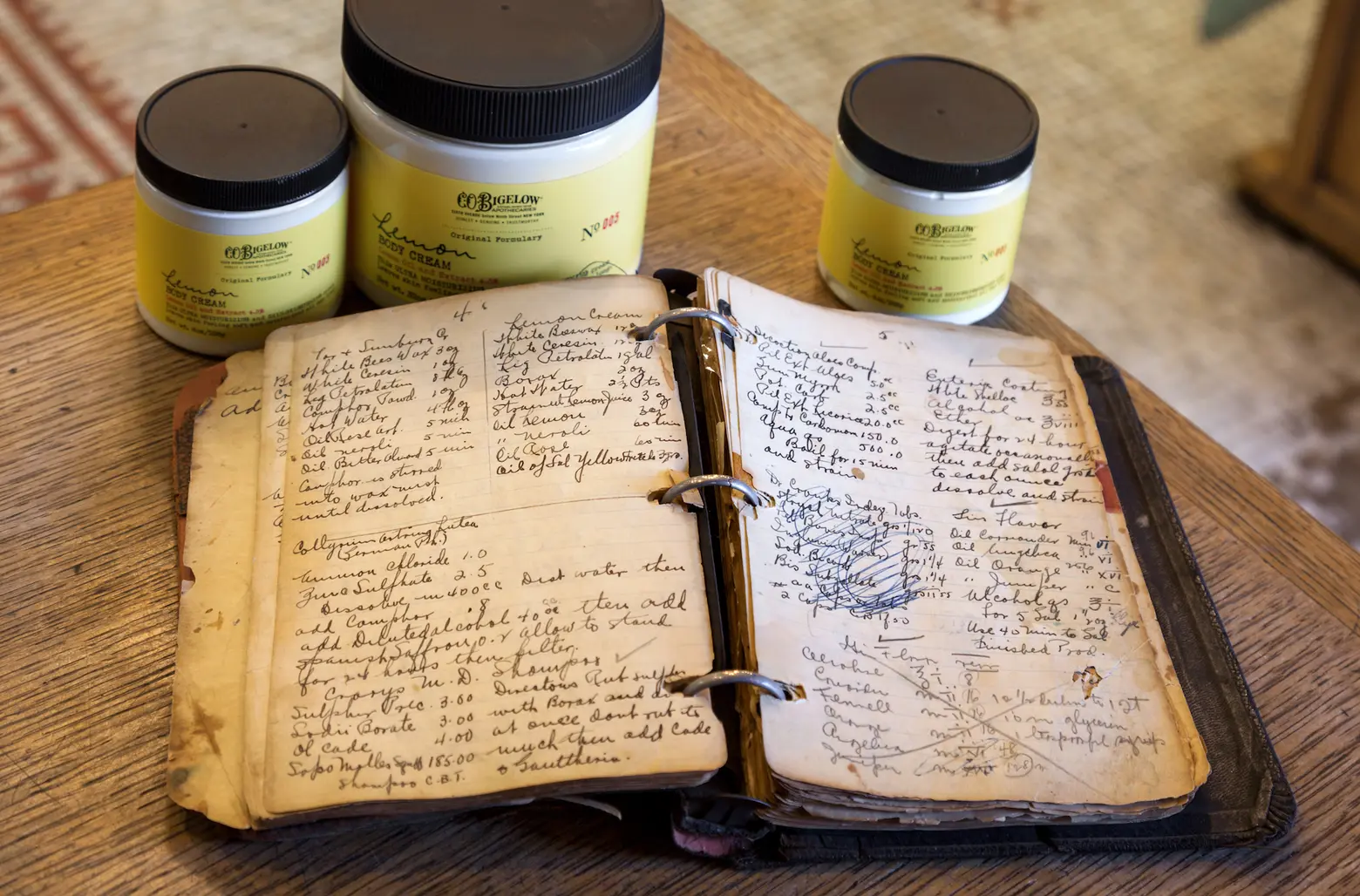
The shop has connections to numerous influential figures. Thomas Edison reportedly purchased the pharmacy’s balm after burning his fingers while inventing the light bulb, while Mark Twain appears as a customer in the company ledgers from 1905 and 1906 under his real name, S. L. Clemens. Eleanor Roosevelt was also a regular customer between 1933 and 1942, when she lived nearby.
Besides filling prescriptions, C. O. Bigelow carries a wide variety of unique personal care products from around the world, including its own products and items sourced internationally. The store’s interior, with its tile floor, canvas ceiling, oak fixtures and other original architectural elements, offers a glimpse into what it might have been like to fill a prescription in the early 20th century.
RELATED:
- NYC’s oldest bars and restaurants you can still dine at today
- 20 underground and secret NYC attractions you need to check out
The post 17 NYC businesses that feel like old New York first appeared on 6sqft.