

By Julia Parker – JBizNews Desk
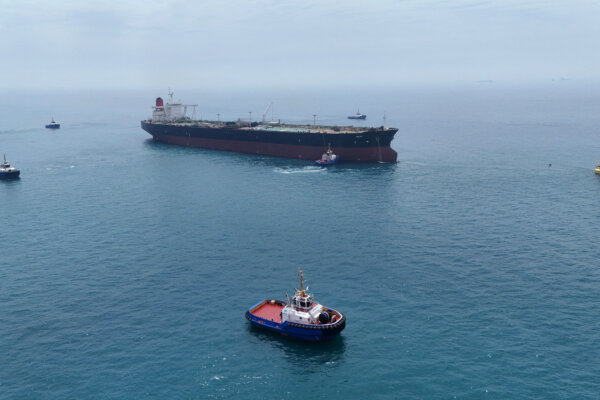
WASHINGTON — A proposed arrangement over traffic through the Strait of Hormuz is taking shape in Iran-Oman talks, raising stakes for oil buyers, shipowners, insurers and investors exposed to Gulf energy flows. The discussions matter because any shift in control over vessels entering the waterway could affect crude shipments, freight costs and risk premiums across global energy markets.
Iran has said it reached an agreement with Oman over the strategic shipping route, while the structure under discussion would give Tehran authority over inbound traffic into the Gulf. President Donald Trump said a deal “could happen,” signaling that Washington sees room for diplomacy even as the terms remain sensitive for energy-importing economies and U.S. allies in the region.
The Strait of Hormuz links the Persian Gulf with the Gulf of Oman and the Arabian Sea. It is one of the world’s most important oil chokepoints, carrying a large share of seaborne crude and fuel exports from Gulf producers. Even limited changes to operating rules can influence tanker scheduling, insurance pricing and refinery supply planning.
For energy markets, the commercial issue is not only whether the route remains open. A deal that gives Iran a formal role over inbound vessel traffic could require shipping companies and charterers to reassess compliance procedures, documentation, routing and security costs. Those expenses can filter into freight rates and, eventually, fuel prices paid by industrial users and consumers.
Oil traders are likely to focus on whether the arrangement reduces the risk of disruption or creates new uncertainty over enforcement. A clearer framework could calm markets if it lowers the threat of miscalculation in the waterway. But a system viewed as expanding Iran’s operational leverage could keep a geopolitical premium embedded in crude prices.
The proposal also matters for companies with exposure to sanctions rules. Banks, commodity traders and marine insurers already scrutinize cargo ownership, vessel histories and counterparties tied to Gulf shipments. Any arrangement involving Iranian control of inbound traffic would place additional attention on compliance with restrictions overseen by the U.S. Treasury Department and other Western authorities.
Shipping executives typically price geopolitical risk quickly because tankers must secure war-risk cover, port access and financing before loading or discharging cargoes. A perception of higher risk can raise voyage costs even when physical flows are not interrupted. That is especially important for refiners in Asia and Europe that rely on predictable Gulf crude supplies.
Oman has served as a mediator in regional diplomacy, and its role could help provide a channel between Tehran and other governments. Still, the commercial effect will depend on the final terms, including how inbound traffic is monitored, whether international shipping lanes remain freely navigable and how disputes are handled.
For investors, the talks add another variable to an energy market already shaped by production policy, demand concerns and geopolitical supply risk. A credible agreement that keeps vessels moving could ease volatility. A deal that leaves operators uncertain about control, inspection or compliance could do the opposite.
Companies with Gulf exposure are likely to wait for formal terms before changing operations. Until then, the Strait of Hormuz remains a key risk point for corporate fuel buyers, airlines, logistics groups and manufacturers whose costs rise when energy markets price in the possibility of disruption.
JBizNews Desk | Washington
© JBizNews.com All Rights Reserved. Reproduction or distribution without written permission is prohibited.