
 JBizNews
U.A.E. Rewrites Oil Pricing Formula as ADNOC Shifts Away From Murban Futures
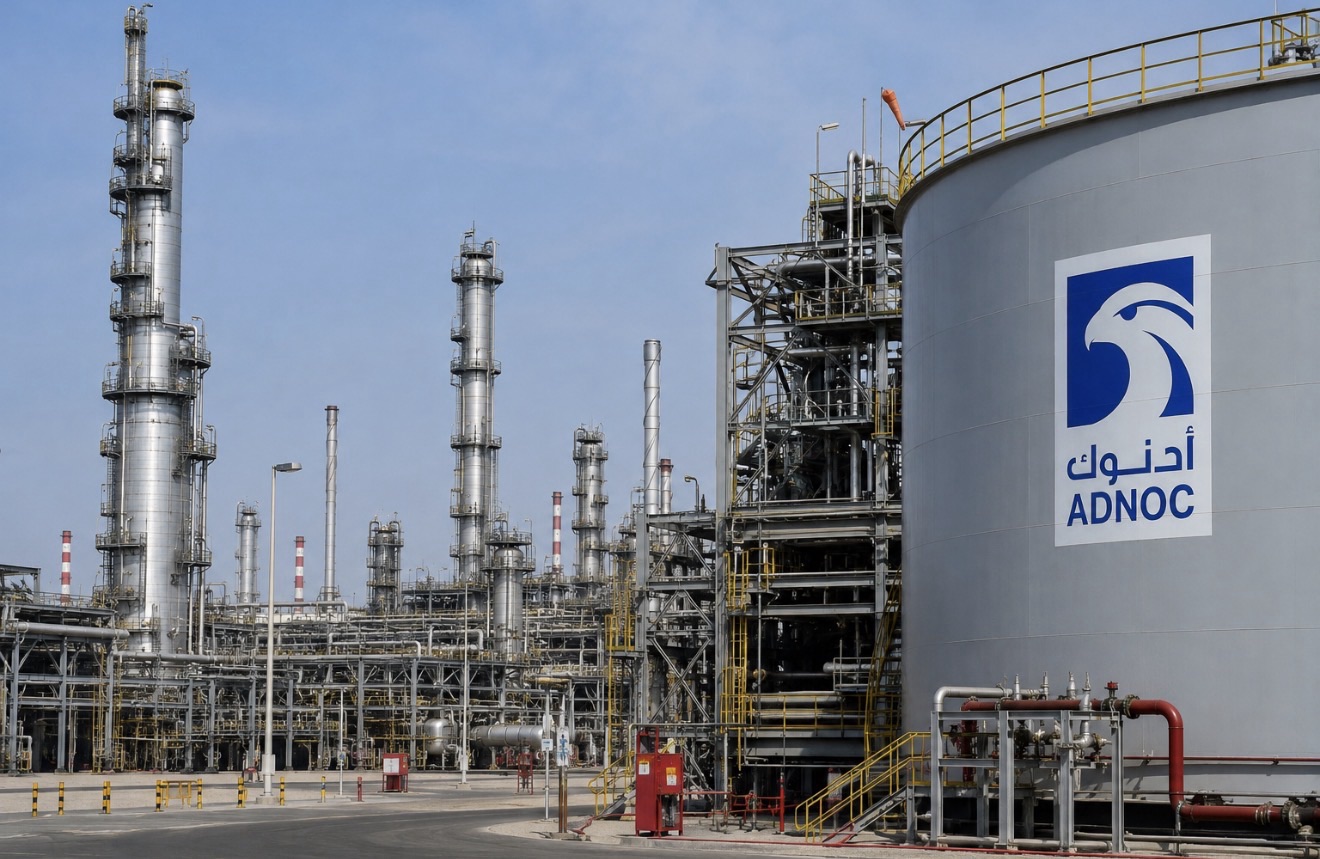
Abu Dhabi National Oil Company is changing how it prices every barrel of crude it sells, replacing the Murban futures benchmark it spent years building with a regional physical pricing benchmark as volatility from the Iran conflict continues reshaping Middle Eastern energy markets.
Beginning November 1, ADNOC will calculate monthly official selling prices for all of its Abu Dhabi crude grades—including Murban, Das, Umm Lulu and Upper Zakum—using prompt-month Platts Dubai pricing instead of Murban crude futures. Price differentials to Dubai will be announced during the month before cargoes load, bringing pricing closer to actual market conditions at the time of shipment.
The move ends a pricing framework that has been in place since the launch of the ICE Futures Abu Dhabi Murban contract in 2021. Under that system, buyers typically committed to prices roughly two months before cargoes loaded. The new approach shortens that timeline to approximately one month, reducing the disconnect between contracted prices and actual shipping conditions.
That timing matters. During the Iran conflict, freight rates, insurance premiums and security risks surrounding the Strait of Hormuz have changed rapidly, leaving refiners and traders exposed when oil was priced weeks before those costs became known. By narrowing the pricing window, ADNOC reduces the risk that customers pay based on market conditions that no longer exist when shipments actually depart.
The change also follows the United Arab Emirates’ departure from OPEC and OPEC+, which became effective May 1 and gave ADNOC greater flexibility over production and commercial strategy. Earlier this year, Platts removed the pricing floor linking Murban to Dubai after expanding Murban production increased its influence within regional crude markets. ADNOC’s decision now extends that evolution to its official sales program.
The reversal is notable because ADNOC spent years promoting Murban futures as the Middle East’s first internationally traded regional crude benchmark capable of competing with Brent. ICE Futures Abu Dhabi said it will continue listing Murban futures contracts that already have open interest while suspending future contract months without active positions.
In practice, the transition has already begun. Since June, ADNOC has been selling cargoes through spot tenders priced against Dubai differentials, making the formal announcement more of a confirmation than an unexpected policy shift. Market participants had largely expected any change to apply only to offshore marine grades, but ADNOC instead expanded it across its full production portfolio.
The company said the revised pricing mechanism reinforces its commitment to transparent pricing while continuing to meet all contractual delivery obligations. ADNOC also stated the change is not expected to materially affect outstanding debt securities, including bonds and sukuk issued under its financing programs.
Energy market specialists believe the implications could extend well beyond Abu Dhabi. Joel Hanley, Executive Director for Strategy and Development at S&P Global Energy, said aligning benchmark timing more closely with physical trading reduces basis risk and could encourage broader changes across global oil pricing systems. As Gulf crude increasingly trades on similar timelines, benchmark consistency becomes more valuable for both producers and buyers.
That possibility carries significance for American energy companies. Saudi Aramco, Kuwait Petroleum and Iraq’s state oil marketer all rely on similar official selling price systems. If other Gulf producers shorten their pricing windows as well, refiners, commodity traders, airlines and industrial fuel consumers could face meaningful changes in how they hedge Middle Eastern crude purchases and manage future fuel costs.
For businesses across the United States already navigating elevated diesel, jet fuel and freight expenses after two years of geopolitical disruptions, the new pricing mechanism will not necessarily reduce energy costs. It should, however, make pricing more closely reflect actual market conditions at the time oil is delivered, reducing one source of uncertainty in an energy market that has experienced little stability.
JBizNews Desk | Abu Dhabi
© JBizNews.com All Rights Reserved. Reproduction or distribution without written permission is prohibited.