 Vos Iz Neias
Former Undercover Agent Details Gaza Missions, Warns of Europe’s Trajectory in Podcast Interview
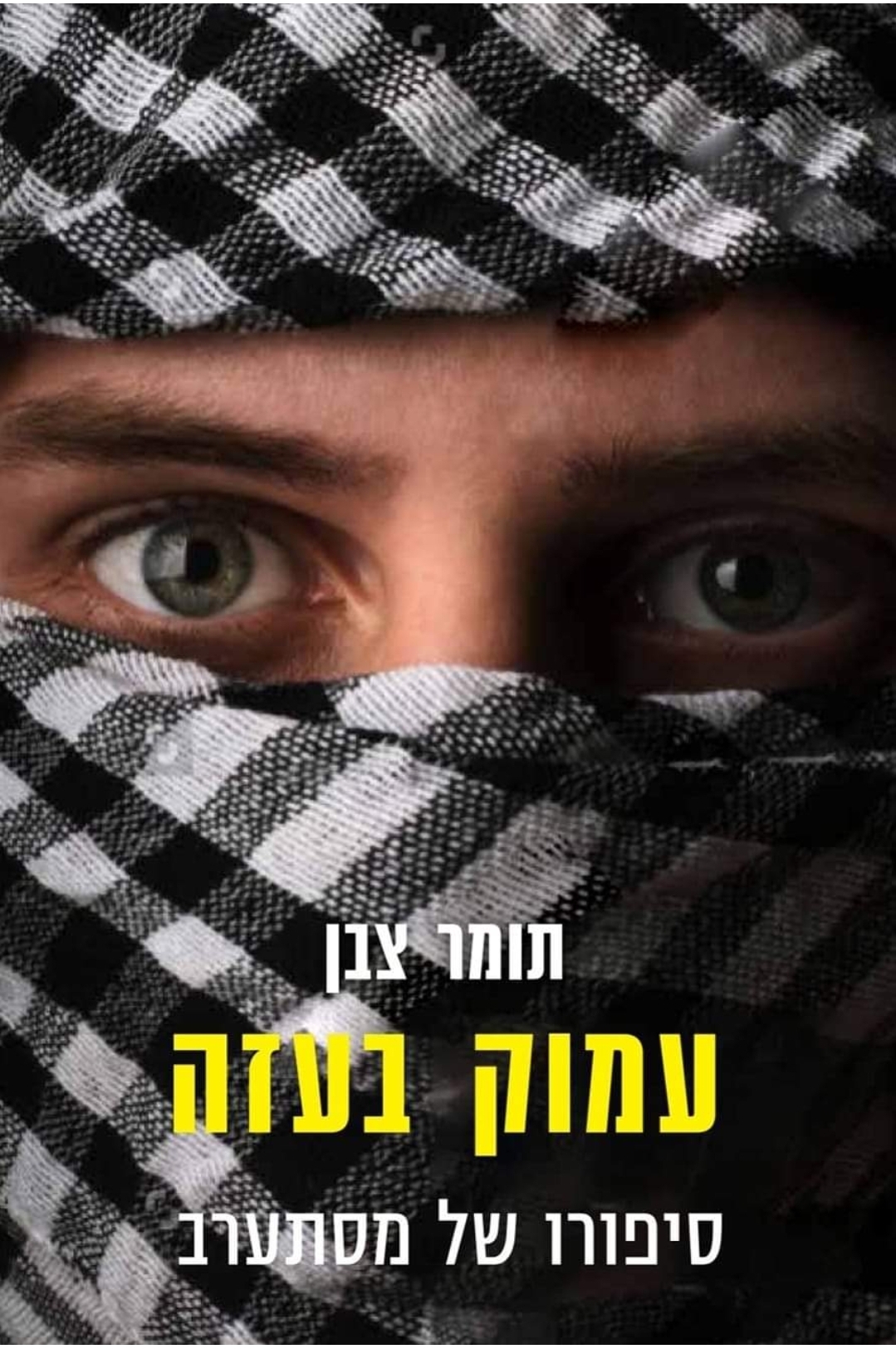
NEW YORK (VINnewws) — Tomer Tzaban, a former Israeli counterterrorism operative who spent a decade conducting undercover missions in Gaza, has detailed his experiences in a podcast interview about his book, “The Ghosts of Rafah: An Undercover Counter-Terrorism Agent in the Heart of the Middle East Conflict.”
Tzaban spoke with Alan Skorski on the Alan Skorski Reports podcast about his years with the elite Shimshon unit, where he served from 1986 to 1996.
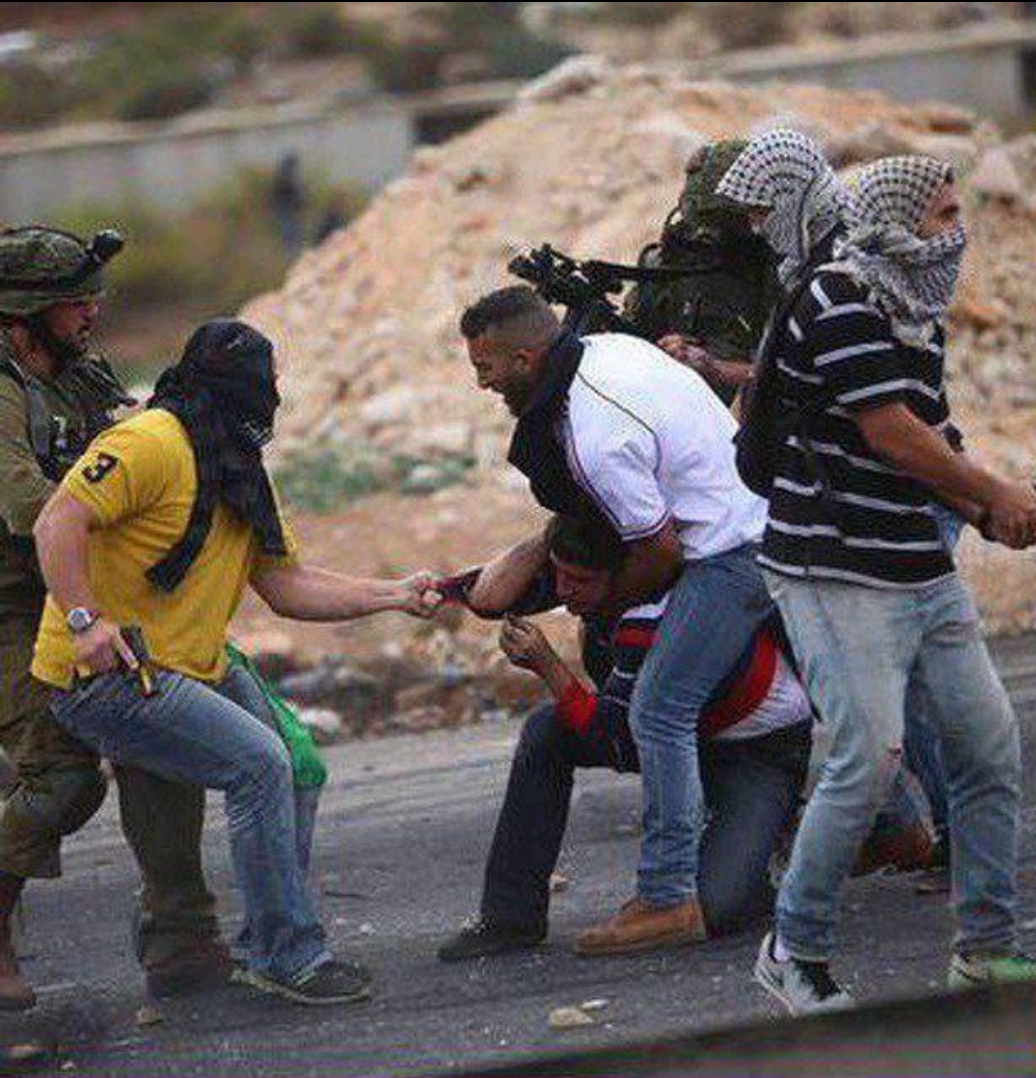
The unit operated undercover inside Gaza, with agents frequently assuming Arab identities and relying on disguises and carefully developed cover stories. Tzaban described operations that involved tracking terrorist suspects, preventing attacks and targeting members of armed groups.
One operation involved a group of terrorists who, according to Tzaban, had disguised themselves as young Orthodox Jewish men as part of a plan to abduct Israeli soldiers and hold them for ransom.
Tzaban also described an operation in which an intended target was located in a heavily populated area. The team abandoned the mission after a large number of children emerged from a nearby school, he said. Protecting civilians took precedence over completing the operation, consistent with the procedures under which the unit operated.
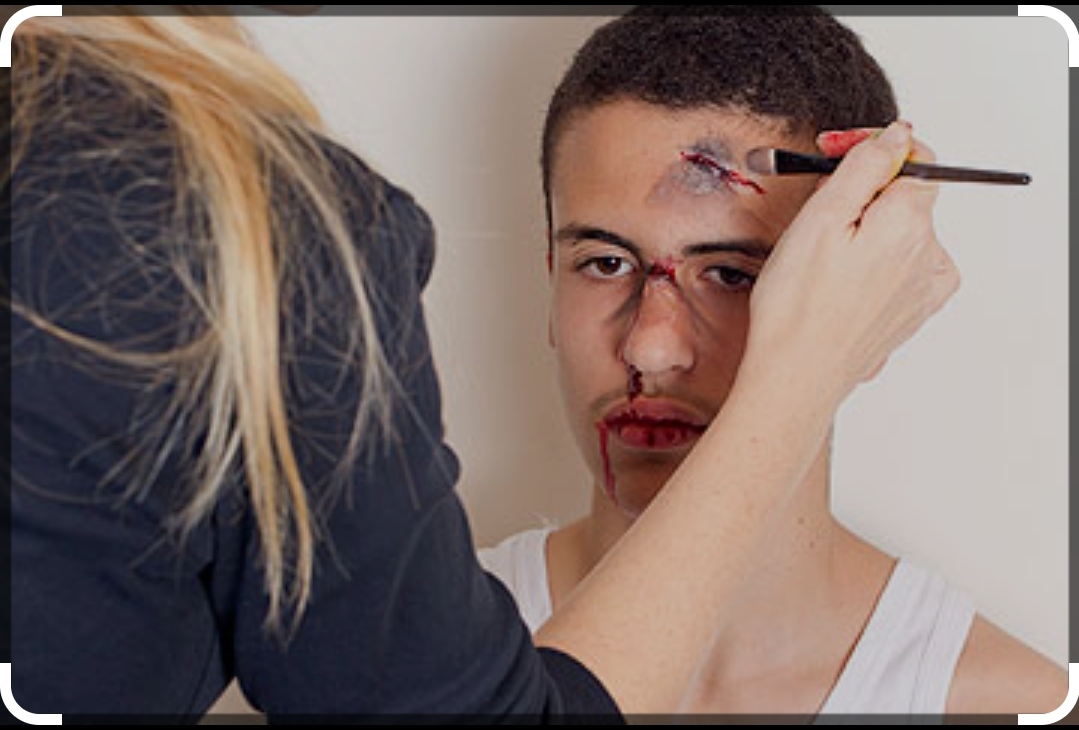
Maintaining a convincing disguise required attention to details that went far beyond clothing and appearance. Tzaban said operatives had to understand local customs, speech patterns and even seemingly insignificant differences in daily life.
He recalled that agents avoided strongly scented personal-care products because unfamiliar fragrances could make them appear out of place. Teams also worked with local Arabic speakers who could navigate regional dialects and social nuances.
According to Tzaban, Gaza’s different areas had distinct dialects, making language a potentially dangerous vulnerability. An operative could speak Arabic well and still attract attention by using words or pronunciation associated with another region.
The conversation also touched on “Fauda,” the Israeli television series about undercover counterterrorism operatives. Tzaban said he knows several actors involved with the series and believes some of the show’s early storylines drew heavily on the kinds of missions conducted by units such as Shimshon.
His book recounts individual operations while also examining the personal cost of spending years working undercover. Tzaban described the constant pressure of maintaining a false identity and the psychological effects that could continue long after an operation ended.
Tzaban also discussed security concerns in Europe, arguing that some extremist organizations have pursued strategies for decades that are now becoming more visible. He warned that Western countries, including the United States, should study those developments rather than wait until similar threats emerge at home.
The interview concluded with a discussion of the Oct. 7, 2023, Hamas attack on Israel and the intelligence failures that preceded it.
Tzaban said the attack represented a profound turning point for Israel and had consequences that extended far beyond the immediate security failure, changing the way many Israelis and Jews view the country’s security and the threat posed by Hamas.
“The Ghosts of Rafah” draws on Tzaban’s experiences to provide a firsthand account of Israel’s undercover counterterrorism operations in Gaza during the 1980s and 1990s.