
 Vos Iz Neias
Florida Attorney General Demands New York Times Open Books Over Pro-Hamas Coverage
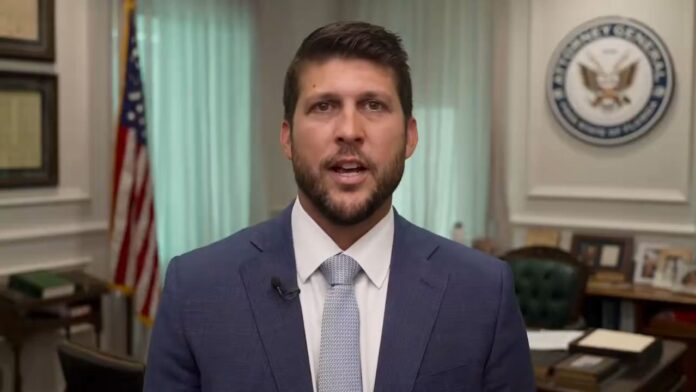
TALLAHASSEE (VINnews) — Florida Attorney General James Uthmeier on Monday demanded that The New York Times Co. open its corporate books and records, citing dozens of corrections the newspaper issued for what he described as incorrect and biased pro-Hamas coverage following the Oct. 7, 2023, Hamas attacks on Israel.
In a 28-page letter sent on behalf of the State Board of Administration of Florida, which oversees the Florida Retirement System Trust Fund, Uthmeier asserted the state’s rights as a shareholder. The pension fund holds approximately 148,000 to 160,000 shares of New York Times stock, valued at more than $12 million.
“After 10/7/23, the @nytimes issued dozens of corrections for incorrect and biased pro-Hamas coverage. As a trustee over FL’s retirement fund—a NYT stockholder—we are demanding their corporate board open the books,” Uthmeier posted on X. “The First Amendment protects speech—not ignoring shareholders!”
The letter, grounded in New York Business Corporation Law Section 624, seeks internal board documents, meeting minutes, reports and materials related to the company’s oversight of editorial standards. Uthmeier argued that repeated failures in applying those standards expose the company to reputational harm, potential defamation litigation and financial risk that could hurt shareholders, including Florida retirees.
Uthmeier’s letter specifically referenced a study documenting 72 corrections the Times issued for its coverage of the Israel-Hamas war between October 2023 and June 2024, stating that many of those errors favored Hamas. It also highlighted other instances of alleged editorial shortcomings, including a May 2026 opinion column by Nicholas Kristof that drew a defamation threat from Israeli officials.
The New York Times was given 14 days to permit inspection of the records or commit to a production schedule. Failure to comply could lead to a special proceeding in New York Supreme Court.
In a statement, Danielle Rhoades Ha, senior vice president for communications at The New York Times, said the company was aware of the demand letter. “While positioned as a request under corporate law, [it] is a clear attempt to chill First Amendment-protected journalism,” she said. “We will respond more fully in due course.”
Uthmeier, who serves as legal counsel and a trustee for the State Board of Administration, emphasized that the action is about corporate governance and protecting the value of the state’s investment rather than dictating editorial content.