
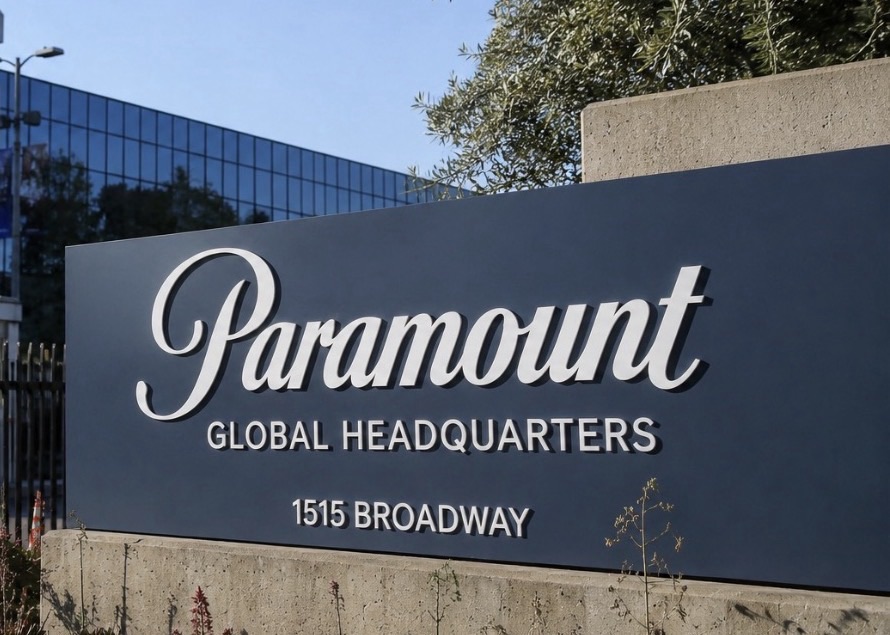

Paramount Skydance is now willing to discuss selling CNN outright if that is what it takes to get its Warner Bros. Discovery acquisition through the courts. Chief legal officer Makan Delrahim said at Politico’s California Agenda conference on Tuesday that a possible CNN sale is “on the table” as an option for resolving the antitrust suit brought by California and 11 other states against the $110 billion transaction.
That is a substantial escalation. Twenty-four hours earlier, the reported plan was an editorial oversight board — a governance structure meant to reassure regulators that Paramount would keep its hands off CNN’s newsroom. Selling the network is a different order of concession entirely: instead of promising restraint, the company gives up the asset.
The deal itself is largely cleared everywhere else. Paramount agreed in late February to pay $31.00 a share in cash for Warner Bros. Discovery, an equity value of $81 billion that reaches $110 billion once assumed debt is counted, after outbidding Netflix. Both boards approved it unanimously and the companies expected to close in the third quarter. The Justice Department’s Antitrust Division signed off in mid-June. Britain approved the takeover after extracting five-year guarantees covering programming and the editorial independence of Channel 5 news drawn from CNN International and CBS News, which leaves the California suit as the last obstacle standing.
The problem is the calendar. With no settlement in sight, the case is headed toward a trial before U.S. District Judge Araceli Martínez-Olguín set to begin March 2, 2027. If proceedings run that long, the ticking fees alone could reach into the billions. David Ellison has set Sept. 30 as his settlement deadline, now the most closely watched date in the industry.
Ticking fees are the mechanism worth understanding, because they explain the urgency better than any statement from either side. In a large cash acquisition, the buyer typically owes the seller’s shareholders a rising payment for every month past an agreed target date that the deal stays open. The price of Warner Bros. Discovery therefore climbs the longer the litigation drags. Waiting eighteen months for a trial verdict is not a neutral option for Paramount; it is an option with a price tag attached, and that price tag is what makes divesting CNN thinkable.
The states allege the merger violates the Clayton Act, and California Attorney General Rob Bonta has argued it would eliminate competition, push prices up and reduce the volume and quality of what gets made. The attorneys general have already rejected Paramount’s pledge to release 30 films a year as unenforceable, saying the company would still be positioned to raise prices and cut quality even if it honored the commitment. Bonta has given no public indication of which structural divestitures he would accept — which is precisely why Paramount is now naming its most politically sensitive asset out loud.
Delrahim knows the terrain from the other side. He served as a senior antitrust official during President Donald Trump’s first term. He said Paramount has been transparent and is prepared to work with both parties, adding: “We’re not naive to know that politics does not exist.”
He also raised a second lever. Delrahim became the first Paramount executive to acknowledge publicly that the Los Angeles-based company might leave California, following media reports citing unnamed sources about a possible relocation. Asked directly, he framed it as a matter of duty to shareholders, and said of Xavier Becerra, California’s likely next governor, that were he in the job he would not want to lose Hollywood from the state.
Read together, the two moves are a negotiation conducted in public. One offers the state something it says it wants; the other reminds the state what it stands to lose.
Whether CNN would find a buyer at a workable price is a separate question. Warner Bros. Discovery previously said the network was not for sale despite interest from Barry Diller, describing it as central to the company’s future after its planned split. Cable news is a declining audience business carrying substantial fixed newsgathering costs, and a forced sale under a court deadline is not the setting in which sellers get paid well.
Meanwhile the oversight board discussions, first reported by The Wall Street Journal, continue in parallel. The two ideas are not alternatives so much as rungs on the same ladder: the board is what Paramount would prefer to give, and the sale is what it is signaling it can give if the board proves insufficient. Which rung the company ends on will be decided in the next seven weeks.
JBizNews Desk | Los Angeles
© JBizNews.com All Rights Reserved. Reproduction or distribution without written permission is prohibited.