
 JBizNews
U.S. Business Visa Applicants From 50 Countries Could Face $20,000 Bond
The United States has made permanent a visa-bond program that can require some foreign business travelers to post as much as $20,000 before receiving permission to enter the country, raising the cost and complexity of doing business in the U.S. for applicants from 50 designated countries.
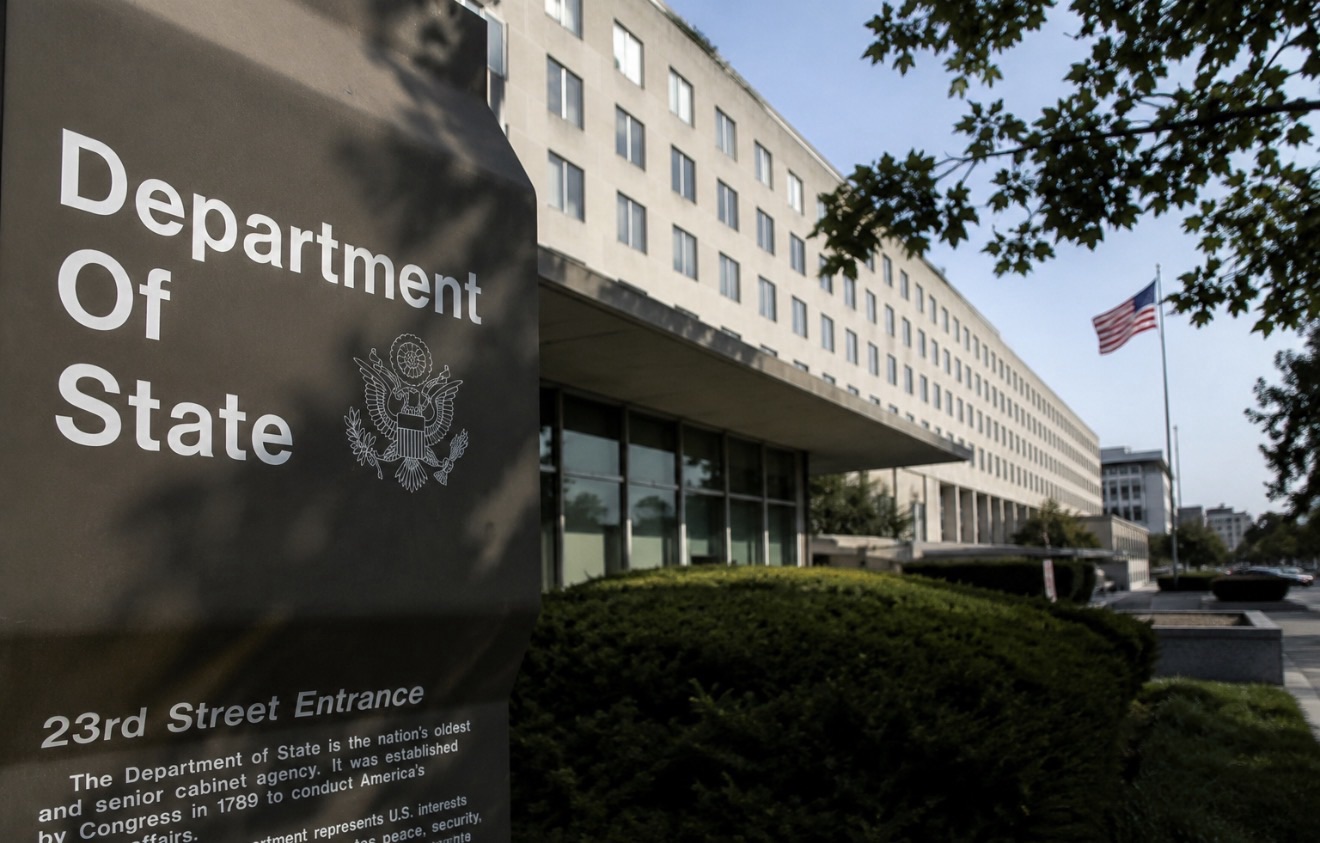
The State Department’s final rule applies to B-1 business visas, B-2 tourist visas and combined B-1/B-2 visas. Consular officers can require applicants from covered countries to post refundable bonds as a condition of issuance, with the maximum now set at $20,000.
The program began as a pilot designed to reduce visa overstays. The administration says the experiment worked: overstays among participants fell sharply, while visa issuance from affected countries also dropped substantially as some applicants chose not to post the bond.
For business travelers, this is no longer simply an immigration-policy story. It is a cash-flow and access-to-market issue.
B-1 visas are commonly used by executives, entrepreneurs, salespeople, investors, conference attendees and employees traveling temporarily to the United States for meetings, negotiations and other permitted business activity.
For a company sending several employees to the U.S., refundable bonds of up to $20,000 per traveler could tie up significant capital before airfare, hotels, conference fees and other travel expenses are even considered.
The 50-country list is concentrated heavily in Africa but also includes countries in Asia, Latin America and the Caribbean.
The U.S. Travel Association warned Wednesday that broader use of the program could further discourage international visitation at a time when overseas travel to the United States remains below expectations.
That concern extends beyond hotels and airlines.
International business travelers spend money at convention centers, restaurants, transportation companies and retailers, but their larger economic importance often comes from the business they conduct while here — sales contracts, investment discussions, trade shows, supplier meetings and corporate partnerships.
The bond is generally refundable when the visitor complies with the terms of the visa and departs the United States on time. But refundable does not mean costless. Applicants still have to make the money available upfront and can lose access to it for the duration of their trip and the government’s refund process.
The program therefore creates a new calculation for companies deciding whether an in-person U.S. meeting is worth the additional burden.
A multinational corporation may absorb that expense relatively easily. A small foreign exporter, entrepreneur or family-owned company may decide that a $10,000 or $20,000 bond makes a U.S. sales trip, trade show or supplier meeting impractical.
That is why the permanent rule matters well beyond tourism. The United States is using a financial guarantee to reduce visa overstays, but the same guarantee could also raise the cost of bringing legitimate business visitors into the American economy.
JBizNews Desk | Washington
© JBizNews.com All Rights Reserved. Reproduction or distribution without written permission is prohibited.