
 JBizNews
This Sprawling Chinese Refinery Is Accused by U.S. of Bankrolling Tehran
Hengli is accused by the U.S. of being a major importer of illicit Iranian crude; the Chinese petrochemical company denies trading with Iran.
On Changxing Island outside Dalian sits one of China’s largest independent refineries, a sprawling complex capable of processing about 400,000 barrels of oil a day.
Washington says some of the crude flowing into that plant came from Iran — and that the money ultimately helped finance Tehran’s military.
The U.S. Treasury Department sanctioned Hengli Petrochemical’s Dalian refinery in April, accusing it of purchasing billions of dollars’ worth of Iranian petroleum and describing it as one of Iran’s largest customers.
Hengli denies the allegation.
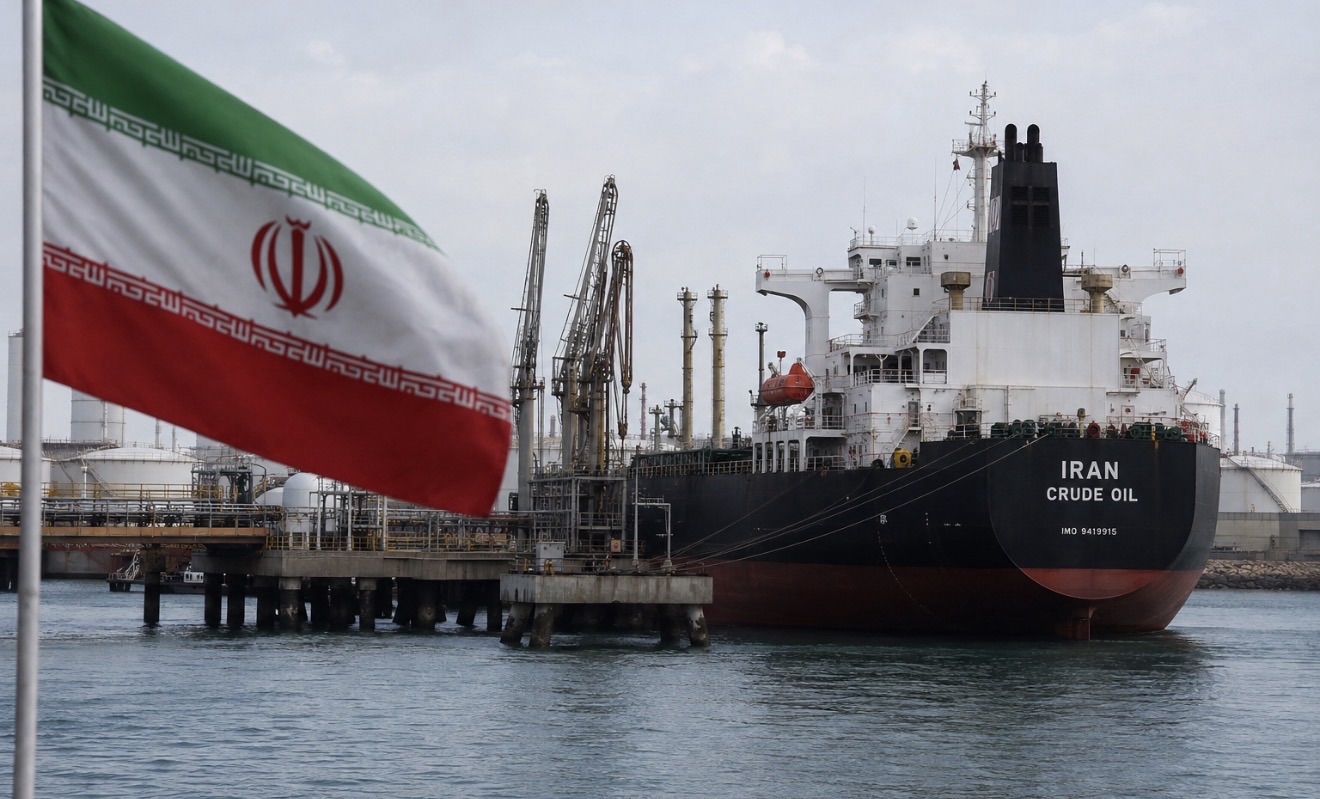
Treasury says three sanctioned tankers alone delivered more than five million barrels of Iranian crude to the refinery since 2023. The shipments were allegedly overseen by Sepehr Energy, the oil-sales arm of Iran’s Armed Forces General Staff, generating hundreds of millions of dollars for the Iranian military.
That is what makes Hengli different from a routine sanctions case.
Washington is not simply accusing a Chinese refinery of buying discounted oil. It is accusing one of China’s largest private industrial companies of helping convert Iranian crude into revenue for Tehran’s armed forces.
The oil trade is difficult to police because sanctioned cargoes can become harder to trace once they reach international waters. Tankers can switch off tracking signals, move crude through ship-to-ship transfers and rely on traders and paperwork that obscure where the petroleum originated.
Iranian crude is often sold at a discount precisely because buyers take on that risk.
China is central to the trade. Its independent refiners buy the majority of Iran’s exported crude, giving Tehran access to a huge market despite U.S. sanctions.
Hengli says Washington’s case is wrong. The company said it has never conducted oil trade with Iran and that its suppliers guaranteed the crude it purchased complied with sanctions requirements. It also said it would seek removal from the U.S. blacklist.
The sanctions nevertheless had an immediate impact.
Hengli’s Shanghai-listed shares fell 10 percent. Its Singapore trading operation was disrupted as international counterparties pulled back, and Chinese chemical giant Wanhua suspended a benzene supply agreement with the company.
Hengli also said it had enough crude inventories to operate for more than three months and could continue paying for oil in yuan.
Beijing then stepped in, using its anti-sanctions framework to shield Chinese companies from complying with the U.S. restrictions.
That put Hengli directly in the middle of a larger confrontation between Washington and Beijing.
For the U.S., the strategy is to make Iranian crude financially toxic even if the oil itself keeps moving.
Banks, shipping companies, insurers, traders and refineries all have to decide whether discounted Iranian oil is still worth the risk of losing access to Western markets and the U.S. financial system.
Treasury Secretary Scott Bessent had already warned Chinese buyers that Washington was prepared to target them. The department also sent warning letters to Chinese banks before the Hengli sanctions were announced.
The same day Hengli was blacklisted, Treasury sanctioned roughly 40 shipping firms and vessels tied to Iran’s shadow fleet.
For Tehran, the stakes are straightforward. Oil exports provide hard currency, and Washington says some of the revenue flowing through Hengli directly benefited Iran’s military.
For American consumers, there is a second concern.
Washington wants to choke off Iran’s oil income without removing so much crude from the market that global energy prices jump. With shipping through the Strait of Hormuz already under pressure, any major disruption to supply can eventually reach gasoline prices, freight costs and consumer goods.
That makes Hengli a major test of the sanctions strategy.
If a refinery this large decides Iranian crude is no longer worth the risk, other buyers may follow.
If the oil simply changes ships, paperwork and intermediaries again, Washington will have made the trade harder without stopping it.
The real measure of success is therefore not how many companies land on a blacklist.
It is whether the oil stops moving — or simply becomes harder to see.
JBizNews Desk | Washington, D.C.
© JBizNews.com All Rights Reserved. Reproduction or distribution without written permission is prohibited.